
BPS: East Java Import Value Reaches US$10.39 Billion from January to April
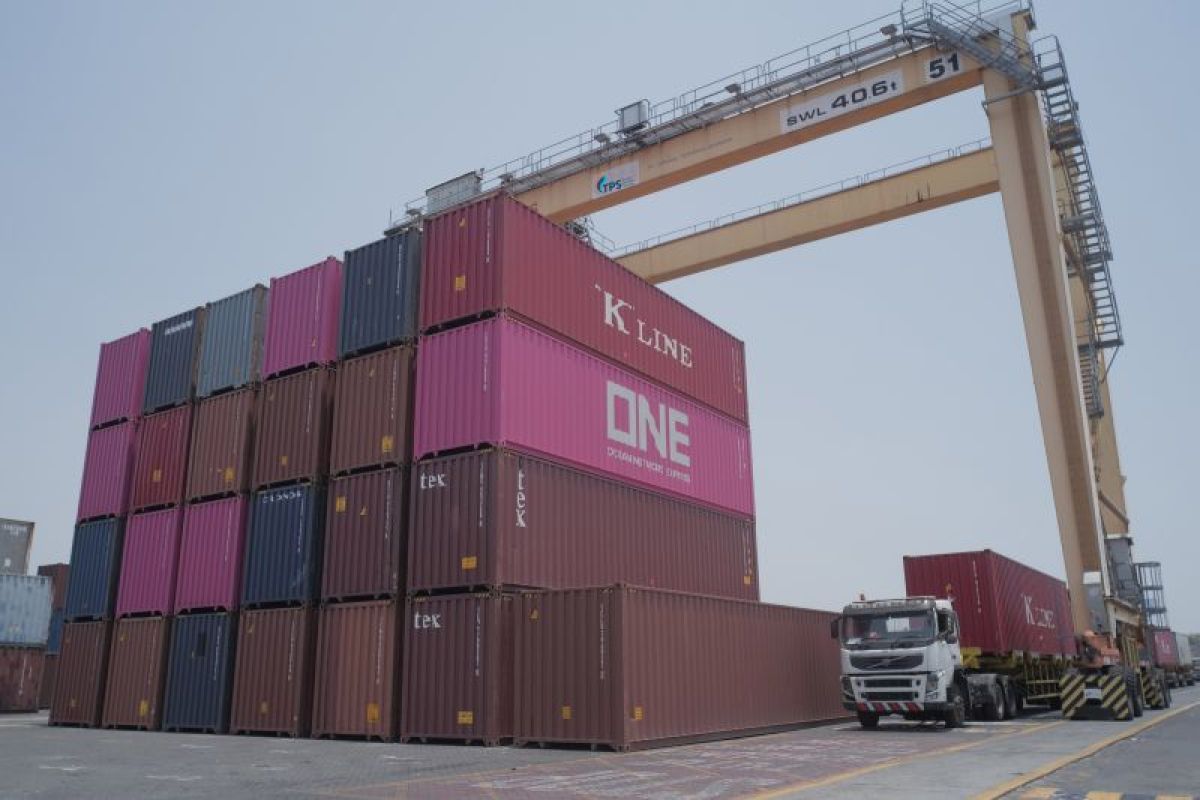
The East Java Central Bureau of Statistics (BPS) recorded that the import value for East Java from January to April 2026 reached US$10.39 billion, up from US$9.68 billion during the same period last year, representing a 7.31 per cent increase year-on-year. This growth was driven by non-oil and gas imports, which reached US$8.74 billion.
“This is in line with the value of non-oil and gas imports reaching US$8.74 billion, which experienced an increase of 9.85 per cent,” said the Acting Head of BPS East Java, Herum Fajarwati, during a press conference in Surabaya, East Java, on Tuesday. The increase in import value was triggered by the strengthening performance of the non-oil and gas sector, which rose 9.85 per cent from US$7.96 billion to US$8.74 billion.
On the other hand, oil and gas imports experienced a decrease of 4.43 per cent, falling from US$1.72 billion to US$1.65 billion. Crude oil commodity imports dropped by 27.94 per cent from US$203.47 million to US$146.61 million, while petroleum products also declined by 7.23 per cent from US$1.13 billion to US$1.05 billion.
Among the ten commodities with the highest non-oil and gas import values from January to April 2026, the highest increase was seen in fruits (HS 08) at US$150.35 million, a 40.95 per cent rise, mostly originating from China, reaching US$468.06 million. Furthermore, jewellery/precious stones (HS 71) also rose by US$127.27 million or 18.49 per cent, and food industry residues and waste (HS 23) increased by US$73.17 million or 16.29 per cent.
Conversely, iron and steel (HS 72) commodities saw a decrease of 8.51 per cent, falling from US$567.79 million to US$519.47 million, with the majority sourced from China, amounting to US$261.20 million. During the January-April 2026 period, imports from these ten commodity groups (HS 2-digit) contributed 60.38 per cent to the total non-oil and gas imports. In terms of growth, these ten commodity groups saw a 12.12 per cent increase compared to the same period in 2025.