
BPS DIY: 2026 Economic Census to Provide Accurate Mapping of Regional Economic Potential
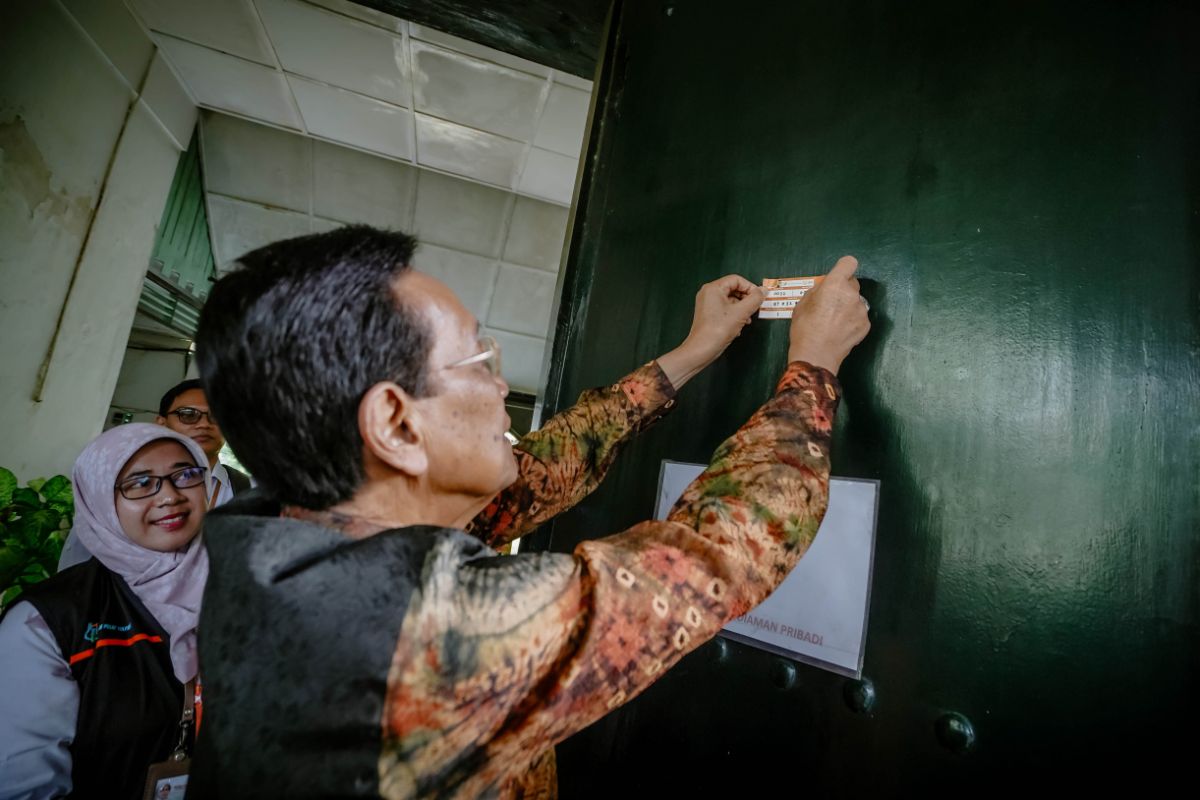
The Central Statistics Agency (BPS) of the Special Region of Yogyakarta (DIY) has stated that the results of the 2026 Economic Census will serve as a basis for more accurately mapping the economic potential of the province’s districts and cities. Plt Head of BPS DIY Endang Tri Wahyuningsih said Governor Sri Sultan HB X received the census process openly and gave full support for its success, given the importance of economic data as a basis for formulating targeted development policies. The results of the Economic Census are expected to provide a complete picture of the potential, characteristics, and dynamics of DIY’s economy, which has long been strong in the education, tourism, services, creative economy, and MSME sectors. With good data, the government can formulate more precise policies that suit the needs of the community. Endang assured that all information provided by respondents is guaranteed confidentiality in accordance with the mandate of Law Number 16 of 1997 on Statistics. The data collected is used solely for statistical and development planning purposes, not for taxation or law enforcement. She urged the public not to worry as the data provided is secure and only for statistical purposes, with no connection to taxes or other administrative matters. The progress of data collection in DIY has currently reached nine per cent, with 4,082 census officers deployed across all districts and cities from 15 June to 31 August 2026. To ensure smooth implementation, BPS DIY also appealed to the public to recognise the identity of official officers, who are equipped with vests, identification cards, and official assignment letters from BPS, to avoid potential misuse by irresponsible parties. BPS acknowledged that there are still several challenges in conducting the census, one of which is the uneven dissemination of information to the public. Therefore, BPS appreciates the support from various parties, ranging from local governments to neighbourhood heads, hamlet heads, and village administrations, who have actively helped socialise the implementation of the 2026 Economic Census.