
BPS: Bali Needs More Equitable Development to Address Denpasar–Karangasem Disparity
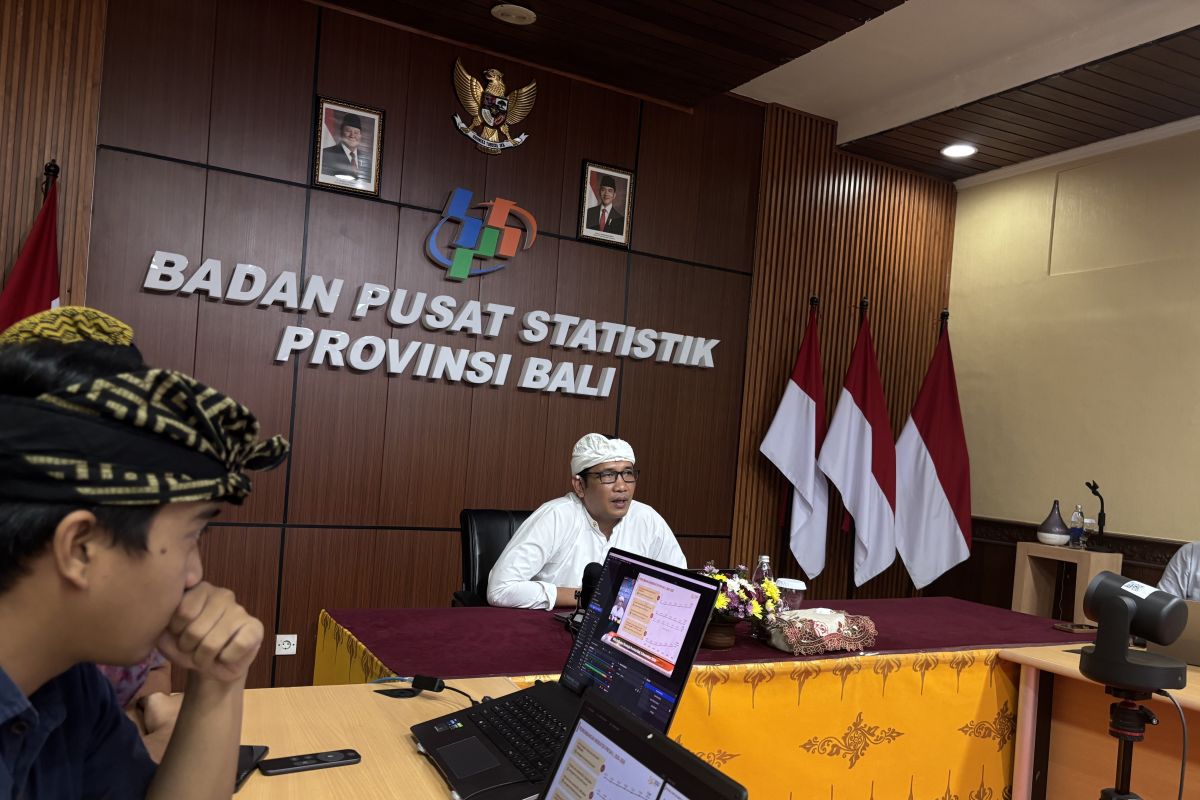
Denpasar (ANTARA) – Statistics Indonesia (BPS) in Bali says the province needs a more even distribution of infrastructure and facilities to address disparities in the Human Development Index (HDI) between regions, particularly the gap between Denpasar city and Karangasem regency.
“This is one issue that needs attention and for which solutions should be sought, so that human development, the range of choices and freedom of access to the benefits of development can be distributed more evenly throughout Bali,” BPS Bali head Agus Gede Hendrayana Hermawan said in Denpasar on Thursday.
He said equal access to public infrastructure, including health and education facilities, was key to reducing disparities in access to the benefits of development.
BPS Bali recorded an HDI of 86.33 for Denpasar in 2026, while Karangasem stood at 72.41. The gap between the two areas is wide and appears to have widened from the previous year.
The disparity between urban and rural areas is evident across all HDI components, including health, education and the economy.
“If I am not mistaken, all three components show a wide gap in both Denpasar and Karangasem,” Agus Gede said.
Improving health facilities in rural areas is also a particular concern in efforts to raise residents’ living standards, even though life expectancy in villages tends to be higher than in cities.
“Perhaps the rural climate helps people enjoy better health, but health facilities also have an influence,” Agus Gede said.
Overall, Bali’s HDI reached 80.03 in 2026, placing it in the “very high” category. This was an increase of 0.66 points from 79.37 the previous year and exceeded the national HDI of 76.89.
The result places Bali among Indonesia’s five provinces with a very high HDI, behind Jakarta, which recorded 85.88.
BPS Bali said the improvement was supported by gains across all indicators. Life expectancy rose by 0.22 years to 75.68 years; expected years of schooling increased by 0.01 years to 13.64 years, equivalent to the second year of a diploma programme; and mean years of schooling rose by 0.2 years to 9.95 years, equivalent to the tenth grade of senior secondary school.
The economy was the fastest-growing component, with real per capita expenditure rising by 3.06 per cent to Rp15,853,000 a year, an increase of Rp470,000.
Agus Gede said four areas in Bali had very high HDI scores: Denpasar at 86.33, Badung at 84.72, Gianyar at 81.62 and Tabanan at 80.23, which moved into the category this year.
The remaining five areas were in the “high” category: Buleleng at 76.73, Jembrana at 76.71, Klungkung at 76.70, Bangli at 74.06 and Karangasem, the lowest, at 72.41.
Source: jawawa.id (https://jawawa.id/newsitem/bps-bali-needs-more-equitable-development-to-address-denpasar-karangasem-disparity-1793872411)
Originally published by Antara (Indonesian) (https://www.antaranews.com/berita/5833951/bps-bali-butuh-pemerataan-tangani-disparitas-denpasar-karangasem), translated from Indonesian