
BPS and World Bank Explain Discrepancies in Indonesia's Poverty Figures
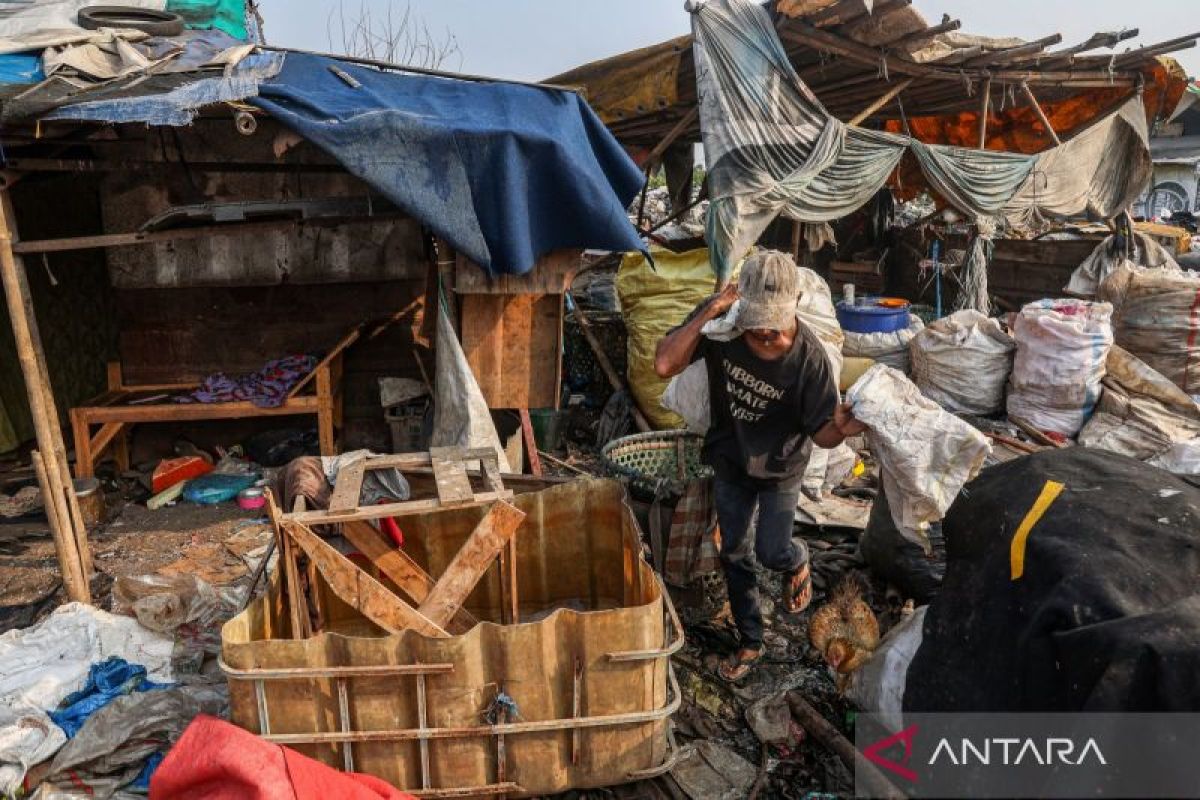
The discrepancy in figures is caused by differences in measurement methods and the intended use of poverty indicators, rather than any change in the living conditions of the population.
In Jakarta on Thursday, Statistics Indonesia (BPS) and the World Bank provided an explanation regarding the difference in Indonesia’s poverty levels, which are measured using national and international approaches. In a joint official statement, BPS recorded Indonesia’s national poverty rate at 8.07 per cent as of March 202_ (source text says 2026, likely 2024/2025 context).
In contrast, the World Bank estimates that 64.1 per cent of the Indonesian population lives below the poverty line, using a standard of 8.30 US dollars (USD) Purchasing Power Parity (PPP), or approximately Rp51,087 per person per day. BPS and the World Bank explained that both institutions utilise the same data source, namely the National Socio-Economic Survey (Susenas). However, the measurement methods differ because they serve different purposes.
BPS measures poverty based on the cost of living in Indonesia, calculating the minimum expenditure required for an individual to meet food needs and other basic requirements, such as housing, clothing, and transport. This calculation is conducted across 75 urban and rural areas in every province and is updated twice a year to adjust for price changes. As of March 202_, the national poverty line used by BPS was recorded at Rp669,235 per person per month, or approximately 3.60 USD per day. This metric is designed to provide a picture of poverty that aligns with the standards and living conditions of the Indonesian people.
Meanwhile, the World Bank uses international poverty lines to compare living standards between countries. The institution applies three benchmarks based on a country’s income group: 3.00 USD per day for low-income countries, 4.20 USD per day for lower-middle-income countries, and 8.30 USD per day for upper-middle-income countries.
BPS and the World Bank emphasised that both national and international poverty measures have their respective uses. The national poverty line established by the government serves as a reference for formulating national policies and monitoring poverty alleviation efforts in Indonesia. Based on BPS metrics, Indonesia’s poverty rate decreased from 8.47 per cent in March 202_ to 8.07 per cent in March 202_.
For global comparison, the World Bank’s 2025 estimate shows that 3.7 per cent of the Indonesian population lives in extreme poverty, 15.5 per cent is below the lower-middle-income poverty line, and 64.1 per cent is below the upper-middle-income poverty line.
Addressing the significant difference in figures, BPS and the World Bank stated that this relates primarily to the determination of the poverty line, rather than indicating a deterioration in living conditions. When Indonesia entered the upper-middle-income country category in 2023, the World Bank raised the poverty threshold from 4.20 USD to 8.30 USD per person per day. With a higher threshold, the number of people falling below the line automatically increases, but this does not mean the population has become poorer than before.
Both institutions also employ different approaches to accounting for price changes. BPS adjusts the poverty line according to changes in consumption patterns and living standards, whereas the World Bank uses fixed international standards adjusted for inflation. BPS and the World Bank emphasised that these two measures are not contradictory. BPS measures poverty within the Indonesian context to support domestic policy monitoring, while the World Bank uses international lines for cross-country comparisons. Both provide complementary perspectives in the effort to alleviate poverty in Indonesia.