
BPS: Abundant Food Commodity Supply Influences Deflation in Yogyakarta During July
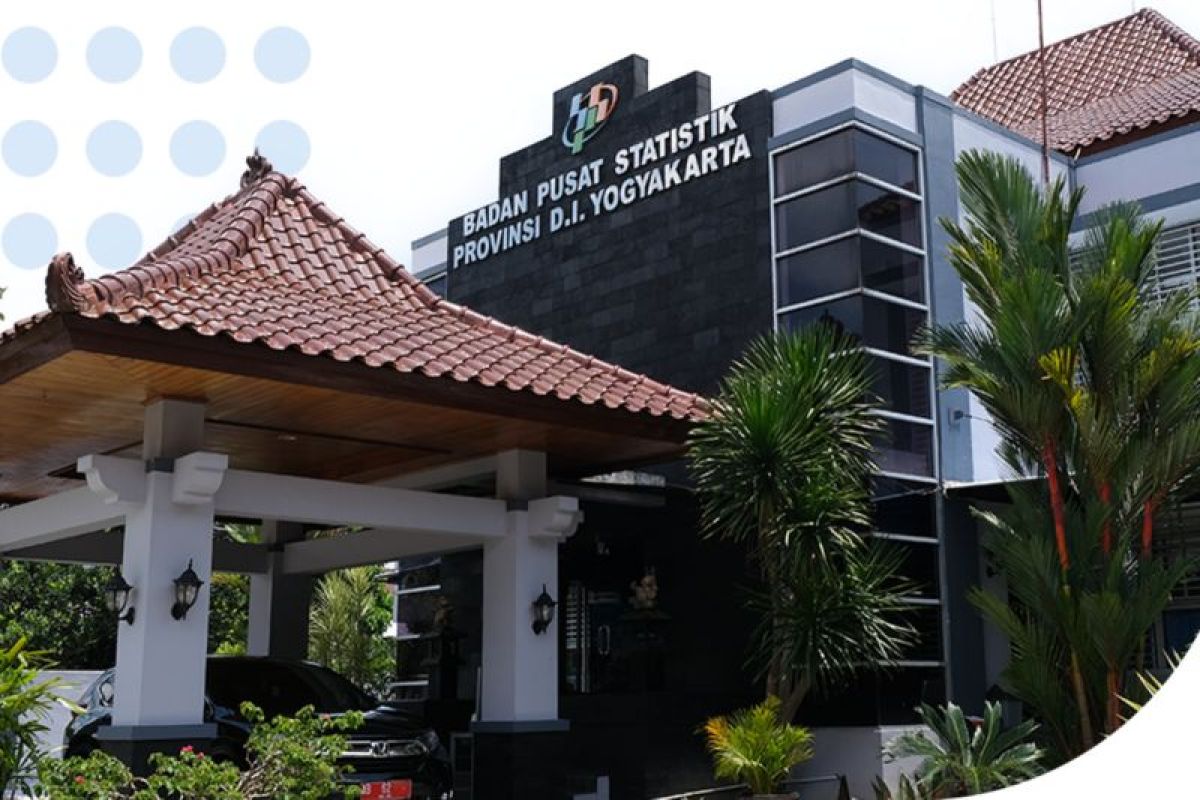
The Central Statistics Agency (BPS) of the Special Region of Yogyakarta (DIY) stated that the abundant supply of food commodities influenced the decline in goods prices, resulting in deflation of 0.31 percent month-to-month in July 2026. “The deflation in July 2026 was mainly influenced by the abundant supply of several horticultural commodities, which drove down prices at the consumer level,” said Plt Head of BPS DIY Endang Tri Wahyuningsih in a statement in Yogyakarta on Monday. The July 2026 deflation was the second deflation in DIY throughout 2026, primarily contributed by the food, beverage, and tobacco group, which experienced deflation of 1.39 percent with a share of -0.39 percent. “The decline in prices of food commodities such as cayenne pepper, shallots, red chillies, and tomatoes was the main factor causing deflation, in line with the abundant supply of harvests from several regions,” she said. In addition, the personal care and other services group also contributed to deflation due to the decline in gold jewellery prices, which followed the downward trend in global gold prices. On the other hand, several expenditure groups still experienced inflation, especially the transportation group, which was influenced by the average increase in fuel prices during July 2026, as well as the education group coinciding with the start of the new academic year. Commodities such as carrots, cucumbers, and garlic also contributed to inflation in DIY in July 2026. “Although there was monthly deflation, DIY’s annual inflation rate was maintained at 2.54 percent, indicating that price developments generally remained within a relatively controlled range,” she said. She explained that on an annual basis, DIY’s inflation of 2.54 percent was mainly contributed by the personal care and other services group with a share of 0.90 percent, driven by the increase in gold jewellery prices. Furthermore, the transportation group contributed 0.58 percent, mainly due to the increase in fuel prices, while the food, beverage, and tobacco group contributed 0.37 percent, with the main commodities contributing to inflation being rice and cooking oil. Based on the Consumer Price Index (CPI) calculation area, in July 2026, Yogyakarta City recorded an annual inflation rate of 2.83 percent, higher than Gunungkidul Regency’s 2.30 percent. Meanwhile, on a monthly basis, both regions experienced deflation, at 0.17 percent in Yogyakarta City and 0.42 percent in Gunungkidul Regency.