
BPS: 686,900 Households Live in Uninhabitable Buildings in Papua
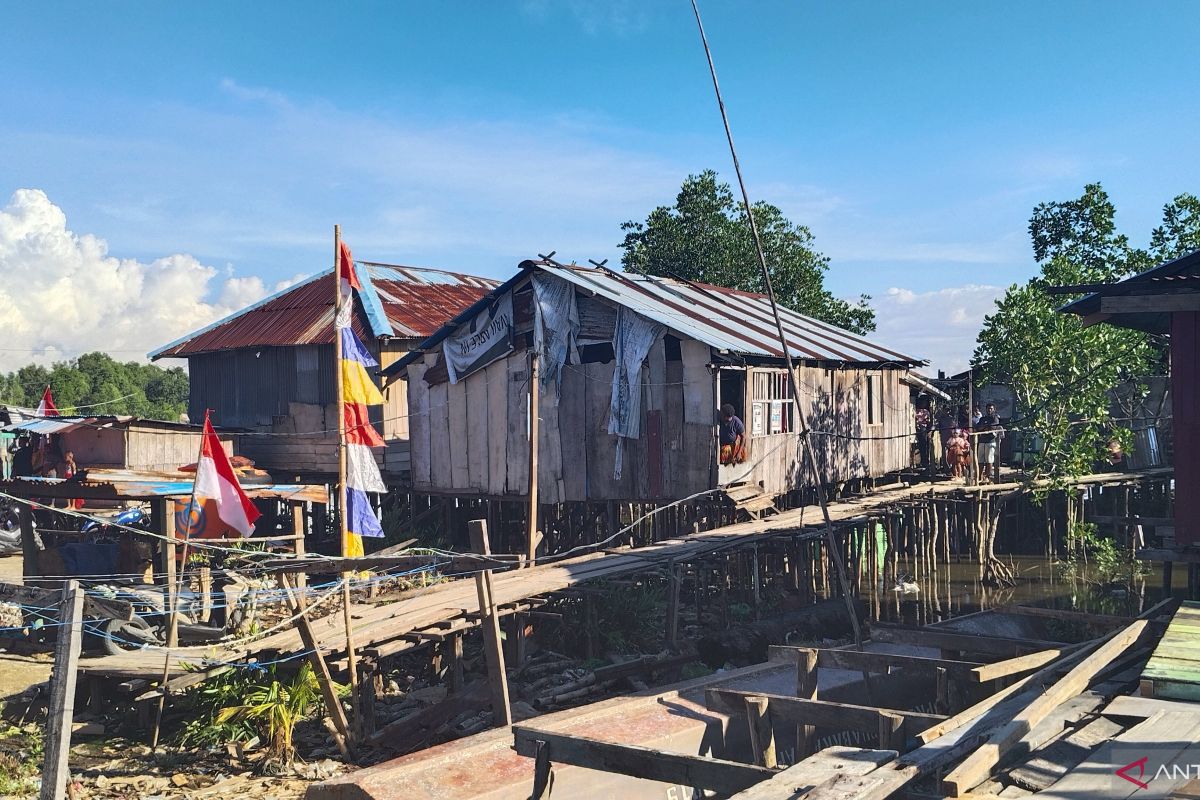
From households that already own their own homes in the Land of Papua, around 686,900 still live in uninhabitable houses. Sorong (ANTARA) - Head of the Central Statistics Agency (BPS) of Indonesia, Amalia Adininggar Widyasanti, stated that approximately 686,900 households in the Papua region still occupy substandard buildings, even though some of them already own their own homes. According to her, this data covers the entire Papua region, namely Papua, West Papua, Southwest Papua, Central Papua, Papua Mountains, and South Papua. “From households that already own their own homes in the Land of Papua, around 686,900 still live in uninhabitable houses,” Amalia said in Sorong, Southwest Papua, on Tuesday. She stated that this number indicates the substantial need for improving housing quality through housing programmes, including the people’s house renovation initiative. She explained that this data is part of the housing quality backlog indicator used by the government in formulating housing policies, particularly for low-income communities (MBR). Amalia added that DTSEN data enables the government to ensure that the house renovation programme truly targets the groups that need it most. The indicators used include household welfare levels, physical house conditions, sanitation access, and energy sources used. “Through this data, the government can see the real conditions of the community, such as whether they have adequate sanitation facilities, education levels, to monthly income,” she said. She gave an example that during a field visit to a slum settlement area in Sorong City, households were found in the lowest decile category with very limited housing conditions, such as not having their own toilet facilities and still using firewood as the main energy source. Amalia said that BPS data is also used to refine the criteria for recipients of the BSPS Programme. One of the criteria is the welfare level in Deciles 1 to 4 based on DTSEN, as well as considering regional aspects to ensure equity and justice. “That condition is one of the reasons the central government prioritises housing programme interventions in that region,” she said. Amalia emphasised the importance of collaboration between Ministries/Institutions (K/L) and local governments in utilising data to accelerate housing solutions for low-income communities. “The data we provide is hoped to be utilised optimally to ensure that housing programmes are on target and have a real impact on the community,” she said. She hopes that with the support of accurate data and appropriate policies, efforts to improve housing quality in the Papua region can proceed more effectively and sustainably.