
BPS: 2026 Economic Census to Reach Suku Anak Dalam Community in Jambi
Statistics Indonesia (BPS) has confirmed that the 2026 Economic Census will reach the Suku Anak Dalam (SAD) community and remote populations in Jambi Province. To facilitate data collection in hard-to-access areas, BPS is collaborating with the local government and Bukit Duabelas National Park (TNBD) authorities.
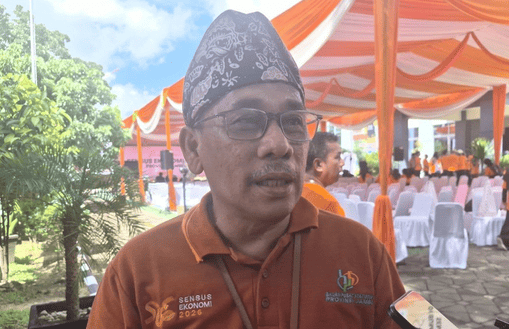
Deputy Chief of BPS Sonny Harry Budiutomo Harmadi stated that all community groups, including the Suku Anak Dalam, will be part of the 2026 Economic Census. "All of them, including the SAD, there is a special method for our officers because they have been trained in stages," Sonny said in Jambi on Friday.
According to Sonny, all census officers have received tiered training from national-level master instructors down to regional field officers. During the census, officers will also be under the direct supervision of field supervisors. Sonny explained that the census in Jambi’s interior is conducted through collaboration with the local government to help officers reach areas that are difficult to access, including Suku Anak Dalam settlements. "The role of the local government is indeed extraordinary. This census belongs to all of us, so the government’s role when entering difficult areas is to help us face the challenges on the ground," Sonny said.
Meanwhile, Head of BPS Jambi Province Aidil Adha said data collection for the Suku Anak Dalam community and remote populations will be carried out by special officers (taspos). This measure is applied because their residential locations are outside the standard local environmental unit (SLS) system. To streamline the data collection process, BPS is also involving officers from Bukit Duabelas National Park. According to Aidil, national park officers have a better understanding of the geographical conditions and characteristics of the area, which can help ensure the smooth execution of the census.
Aidil explained that the 2026 Economic Census for remote communities uses a different questionnaire from data collection in general areas. The data collection focuses on daily economic activities according to the standard local environmental unit (SLS) system. Based on 2020 Population Census data, the number of remote community members in Jambi Province reaches approximately 5,000 families. They are spread across several areas, including provincial border regions such as Lembah Masurai and Sungai Tebal in Merangin Regency.
"We will go in there (the interior), assisted by community members as guides. The survey method for remote communities is different, not asking about assets and so on, only daily economic activities," Aidil stated. BPS hopes this special approach will ensure that all levels of society, including indigenous communities in remote areas, are covered in the 2026 Economic Census, thereby producing more accurate and comprehensive data.