
BPS: 2026 Economic Census to Map New Economic Structure and MSMEs
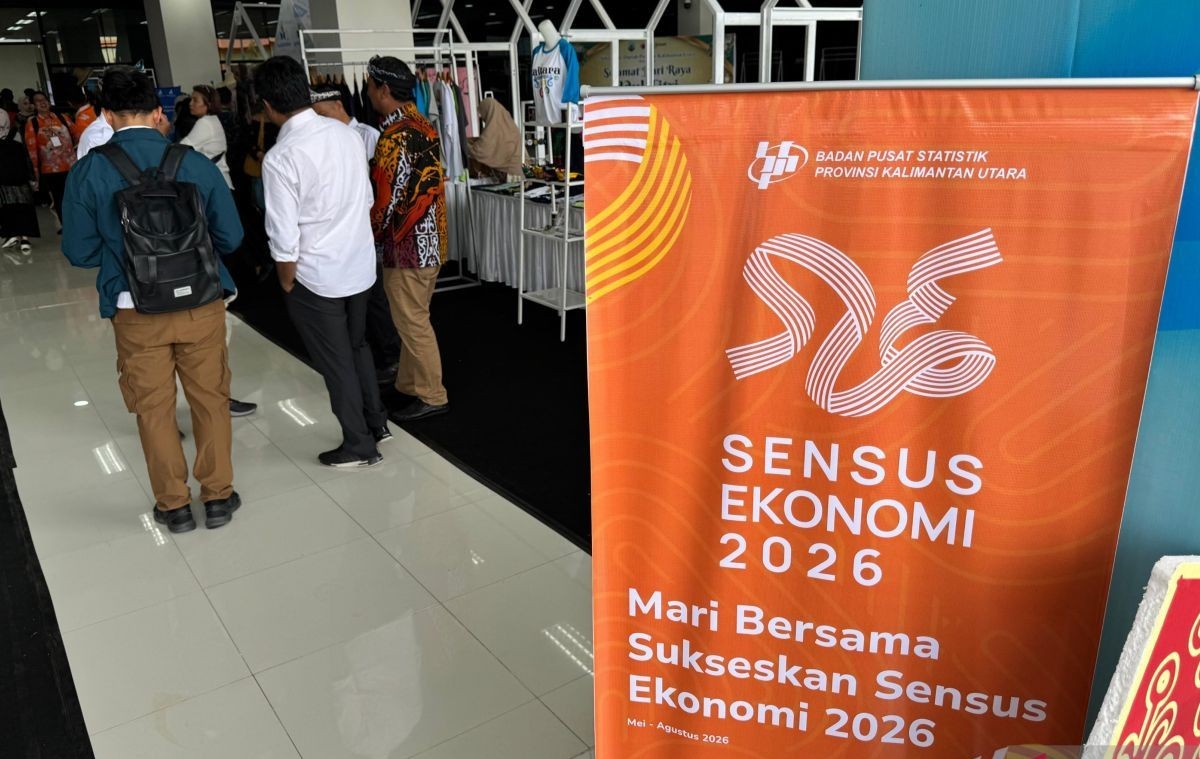
Badan Pusat Statistik (BPS) has stated that the 2026 Economic Census is part of the government’s strategic effort to update data on the national economic structure. This data collection covers the condition of micro, small, and medium enterprises (MSMEs), which will serve as the primary basis for future economic studies and policy formulation.
Deputy for Balance Sheet and Statistical Analysis at BPS, M. Edy Mahmud, explained that the economic census is a routine decennial agenda. The 2026 implementation is a continuation of the last census held in 2016. “The economic census is an activity we clearly conduct every ten years. The last was in 2016, and now we are implementing it again in 2026,” Edy said in a statement in Jakarta on Saturday.
Edy stressed that the data from the 2016 census is no longer relevant for depicting the current economic conditions. Over the past decade, there has been a significant shift in how people produce, market, and distribute goods and services. The rapid growth of digital trade has given birth to various new business models, including MSME players running businesses from home via marketplaces and other digital platforms. “If we go back to 2016, economic activities have certainly changed drastically. The way people produce goods has changed, the way people market and distribute goods has changed,” he said.
According to the schedule, data collection for the 2026 Economic Census runs from May to August 2026. As of August 7, BPS recorded that data collection had reached approximately 86 percent of the estimated business population. Regarding confidentiality, Edy guaranteed that individual data collected by BPS officers is protected by law. Information published to the public will only be aggregate data, not detailed information on the individual identities of business actors.
The census data will serve as evaluation material to examine the structure and characteristics of the economy, including accurately mapping the condition of MSMEs. Edy urged business actors to be cooperative during data collection so that their business existence is recorded in state policy. “If we are not censused or not recorded, perhaps we are considered non-existent. There will never be a record of our data in the economic census, meaning we do not exist in that picture,” Edy concluded. BPS assured that the 2026 Economic Census data is not for tax purposes, but rather the basis for more precise and targeted MSME policies.