
BPS: 16,000 Civil Servants, Military, and Police Personnel on JKN Premium Assistance List
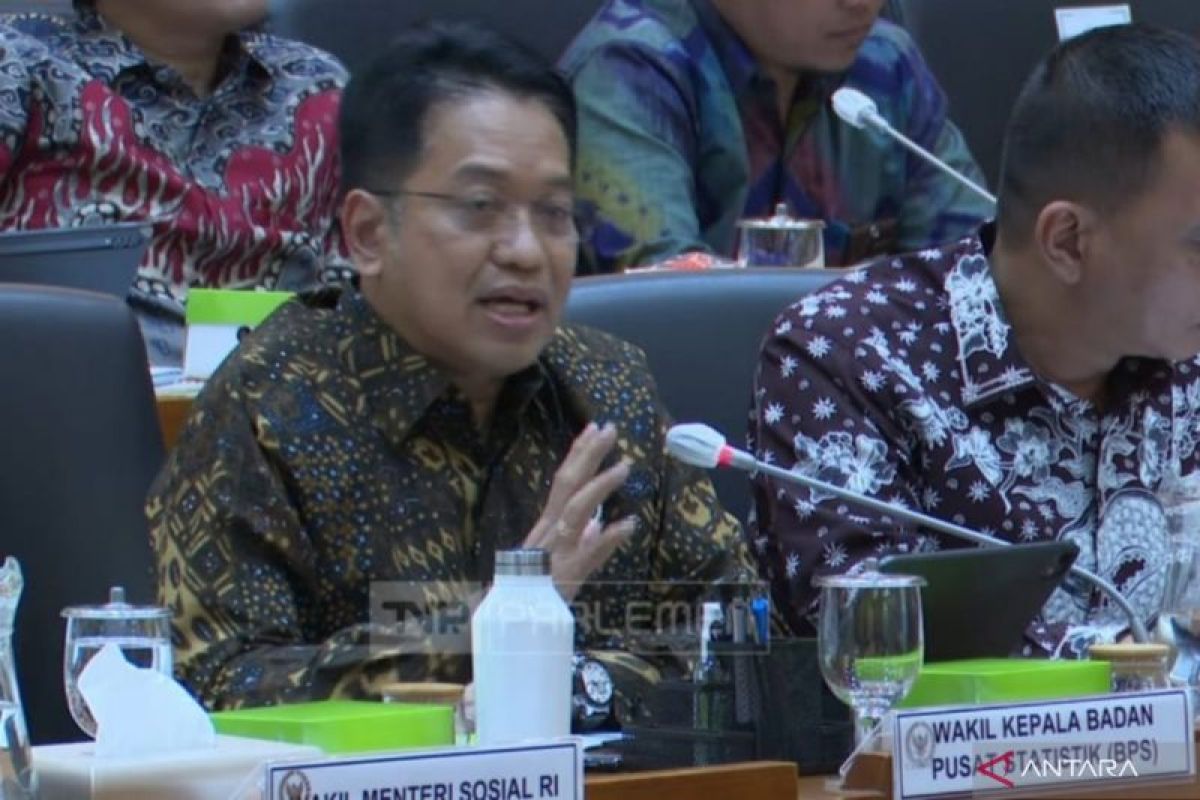
Jakarta (ANTARA) - The Central Statistics Agency (BPS) has found 16,103 individuals included in the negative list or negative list for participation as Premium Assistance Recipients (PBI) for the National Health Insurance (JKN) because they hold the status of civil servants and employees of government companies.
Deputy Head of BPS Sonny Hari Budiutomo, during a hearing with Commission IX of the House of Representatives (DPR) in Jakarta on Wednesday, emphasised that these tens of thousands of individuals are on the negative list as recipients of subsidies because they are recorded as members of the civil service, military (TNI), police (Polri), as well as employees of state-owned enterprises (BUMN) and regional state-owned enterprises (BUMD), whose employment status already guarantees health insurance by regulation.
“From the total data we reviewed, there are 16,103 individuals who actually belong on the negative list,” he said.
This finding is part of the results of field checks or ground checks on 11 million PBI JKN participant data that was deactivated by the government to ensure the accuracy of health subsidy targeting.
Sonny explained that this data cleansing is very important because the state budget for health subsidies should be allocated for underprivileged citizens in economic deciles 1 to 5 of the National Socio-Economic Single Data (DTSEN).
In addition to the negative list group, BPS also identified 254,443 individuals in the lower deciles who remain deactivated for various medical and administrative reasons, such as 72,226 people who have passed away and 126,113 people who have moved to independent participants.
“There are also 28 cases where social assistance was not used as intended, for example related to online gambling or online loans and so on,” he said.
To date, BPS along with the Ministry of Social Affairs is continuing the second phase of field validation on the remaining individual data.
This step aims to build an accountable single data base to ensure justice for poor citizens who truly need state premium assistance.
“So around 8.8 million will be ground checked in this second phase,” he added.