
BPOM: WLA Status Boosts Export Opportunities for Local Cosmetics
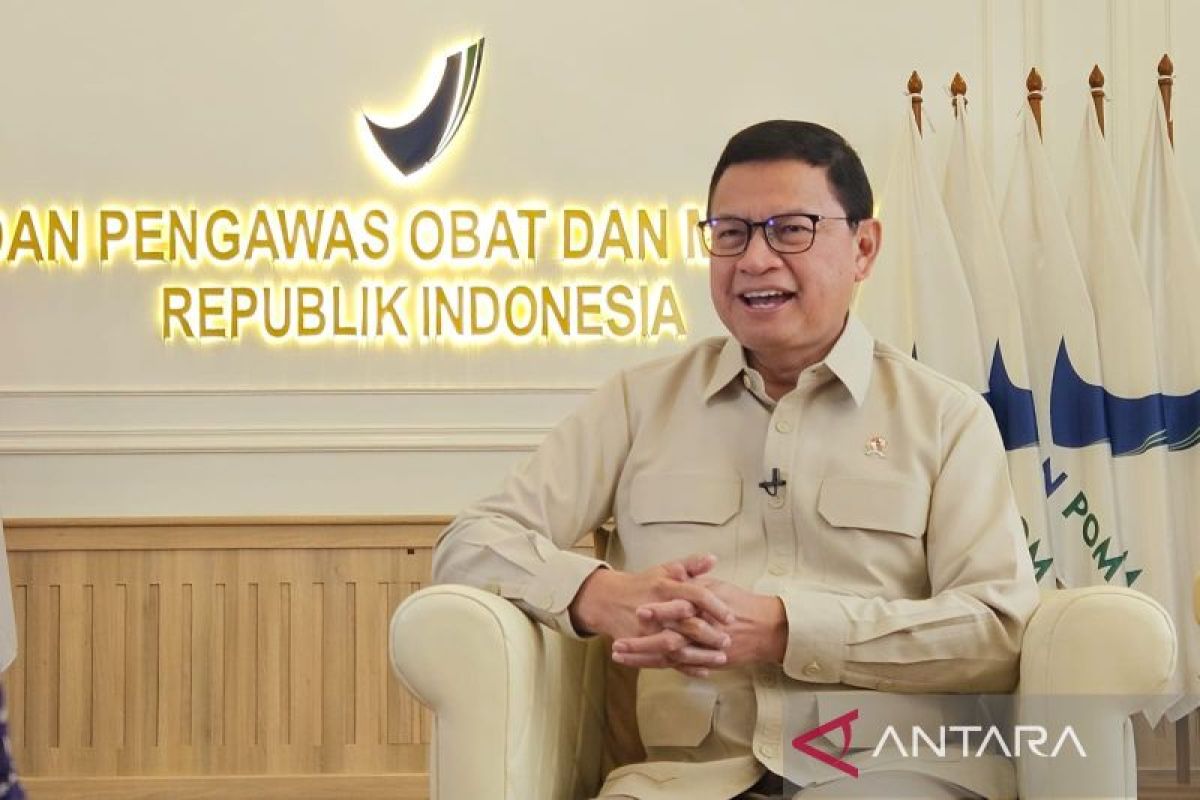
Jakarta (ANTARA) - The Food and Drug Supervisory Agency (BPOM) has stated that Indonesia’s status as a WHO-Listed Authority (WLA) could increase export opportunities for local cosmetics by boosting global confidence in the national regulator.
As quoted from the official WHO website, Indonesia is the first middle-income country to hold this status, owing to its commitment to continually strengthening regulatory oversight, particularly in the field of vaccines.
“This reputation certainly has an impact. In many parts of the world, cosmetics are partly subject to drug or medical evaluation,” said BPOM Head Taruna Ikrar in Jakarta on Monday, in an interview with ANTARA.
He explained that this reputation brings several advantages, such as product reliance, whereby products that have been assessed by BPOM are potentially more readily accepted by regulators in the 39 countries whose authorities hold WHO-Listed Authority (WLA) status.
Therefore, he said, the status plays a significant role in the advancement of Indonesia’s cosmetics industry.
To capture the potential of new and existing markets totalling 8 billion consumers, he said, competitiveness is needed, along with proof that Indonesia can offer efficacious products in line with their claims.
“And I am optimistic that Indonesian products can compete internationally, because our raw materials are actually there. We can be self-reliant in the cosmetics sector,” he said.
He explained that Indonesia has more than 31,000 plant species with the potential to be extracted into cosmetic ingredients, as well as mineral wealth and protein from fauna.
Cosmetics, he said, have become extremely popular products recently. Citing the Indonesian Consumers’ Institute, the economic value of the industry reaches around 10 billion US dollars, or more than Rp180 trillion.
“So it is very large, and that is per year. Given its size, we certainly hope that business players and the cosmetics industry can be assisted by BPOM to develop further and continue growing,” he said.
Moreover, he said, economic growth in the cosmetics sector is rising by around 6.7 per cent per year.