
BPOM: Universities Are Key Partners in Preparing Talent for the Drug and Food Sector
The Food and Drug Authority (BPOM) has stated that universities are strategic partners in preparing talent for the drug and food sector, which plays a vital role in the national economy, especially in the growing digital era. BPOM Chief Taruna stressed that Indonesia must enhance its global competitiveness by developing superior human resources, mastering science and technology, and pursuing digital transformation.
During a public lecture at Universitas Hayam Wuruk Perbanas (UHW Perbanas), Taruna underlined the importance of collaboration between academia, business, and government (ABG) to build an innovation ecosystem. He noted that this synergy is crucial for producing globally competitive talent and supporting the growth of the national drug and food industry. The Rector of UHW Perbanas expressed hope that the university’s efforts to establish a medical faculty would successfully prepare competitive medical professionals.
In a separate lecture at Universitas Surabaya, Taruna addressed the theme of downstream innovation as a foundation for national independence in the health sector. He warned that many research results fail to reach the market due to the ‘valley of death’ phenomenon, where innovations do not successfully transition to commercialisation. To counter this, BPOM is committed to strengthening regulations, providing assistance, and accelerating product registration services.
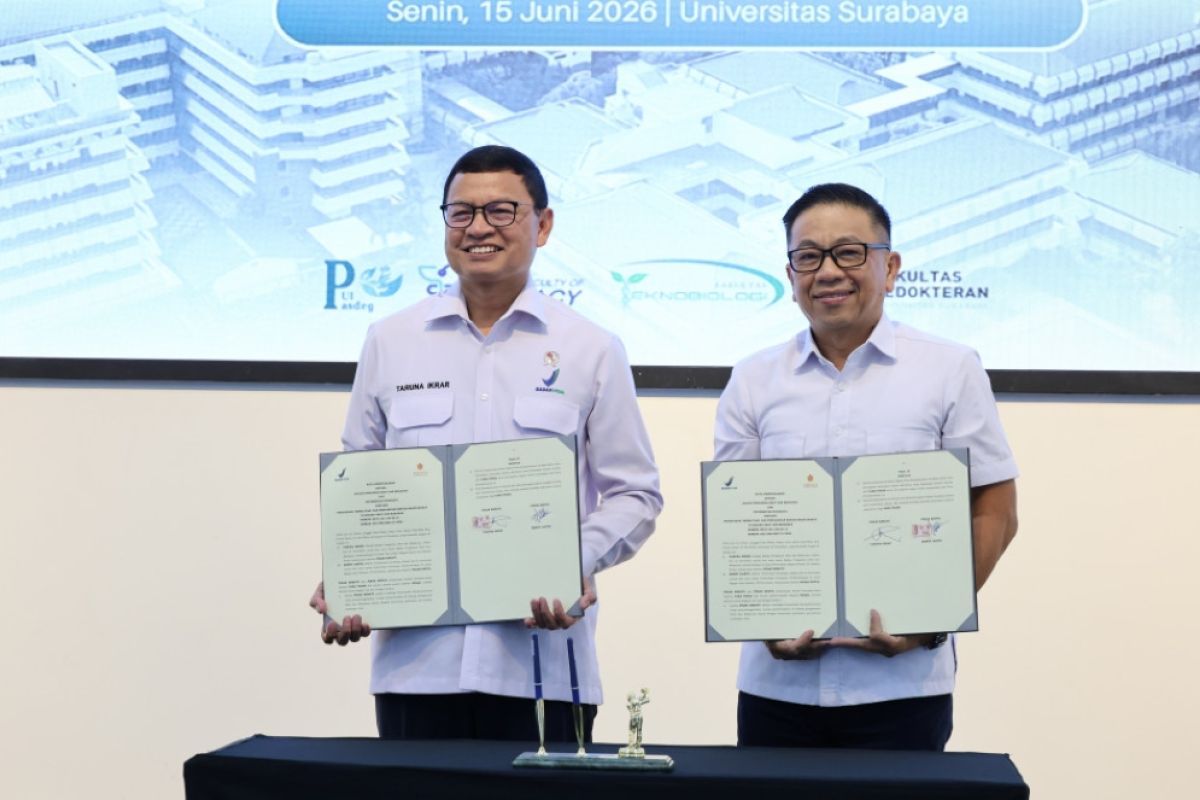
Taruna emphasised that achieving independence in safe, high-quality, and competitive drugs and food requires synergy between universities, industry, and regulators from the research stage to the market. The event at Universitas Surabaya also included the signing of a Memorandum of Understanding (MoU) between BPOM Chief Taruna and Universitas Surabaya Rector Benny Lianto. The agreement covers collaboration in education, research, and community service to enhance human resource competence, strengthen drug and food supervision, support business actors, and improve public understanding of product safety and quality. The MoU will be followed by an Implementing Agreement (IA) detailing specific programmes.
Through these public lectures in Surabaya, BPOM reaffirmed its commitment to strengthening synergy with higher education institutions to produce top talent, accelerate research downstreaming, and foster drug and food innovations that boost national competitiveness and provide tangible benefits to Indonesian society.