
BPOM Tightens Oversight of Medicines in Minimarkets
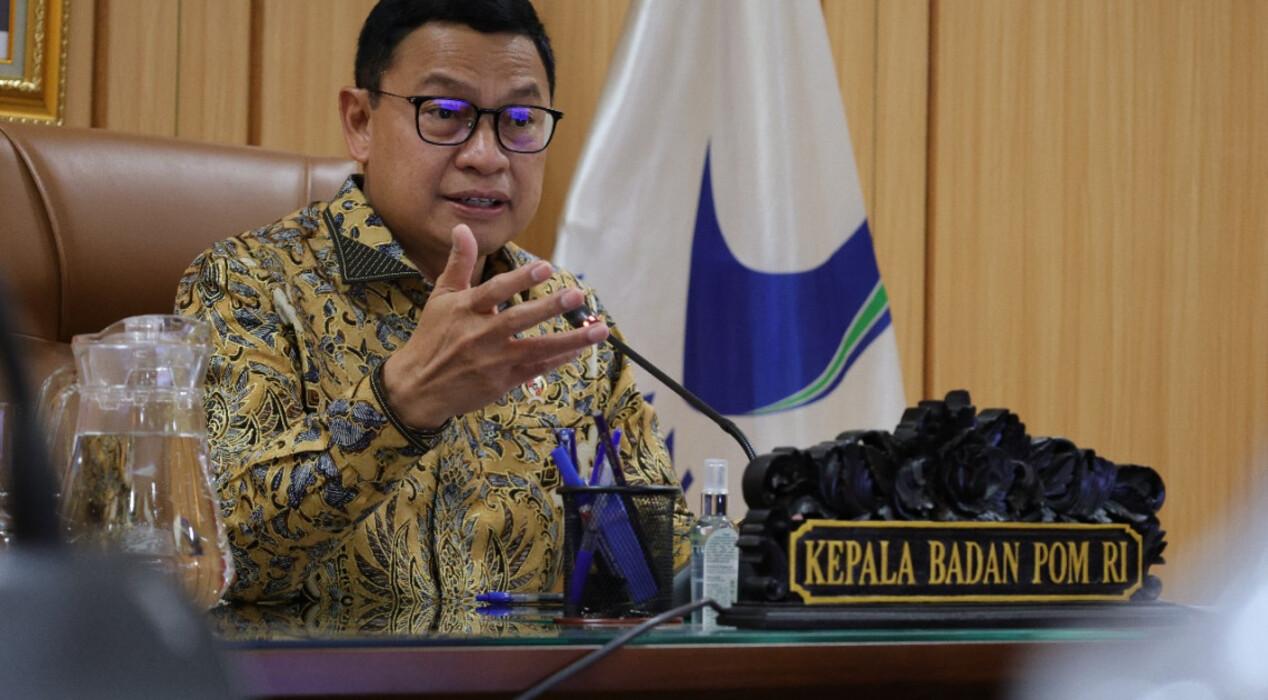
The Badan Pengawas Obat dan Makanan (BPOM) has officially tightened oversight of the circulation of over-the-counter medicines and non-prescription medicines in modern retail outlets such as hypermarkets, supermarkets, and minimarkets. This step is embodied in BPOM Regulation Number 5 of 2026 to ensure the safety, efficacy, and quality of medicines consumed by the public.
Previously, medicines management in modern retail was regarded as a ‘grey area’ due to the absence of specific technical rules. This created potential risks of quality deviations and possible misuse.
BPOM head Taruna Ikrar emphasised that Regulation BPOM 5/2026 represents an act of law enforcement, granting BPOM full authority to crack down on violations within retail premises.
“The previous conditions could pose various risks, such as deviations in how medicines are handled during circulation, substandard quality, and potential misuse. Through this regulation, BPOM can decisively sanction retailers selling products not in accordance with the provisions, with clear administrative penalties,” Taruna Ikrar said in Jakarta on Thursday (21 May 2026).
The regulation complements a suite of rules previously issued by the Ministry of Health. With PerBPOM 5/2026, BPOM now has a mandate to oversee the entire medicines-management chain in other facilities, from procurement and reception to storage, disposal, and reporting.
The regulation is expected to provide maximum protection for the public from risks posed by non-compliant medicines. In addition to physical and administrative oversight, BPOM commits to continuing public education to help consumers make smarter choices when selecting and buying medicines in retail outlets.
“PerBPOM 5/2026 is a form of government presence addressing the regulatory void. Now, the sale of medicines without a prescription in supermarkets and minimarkets has a clear legal umbrella and standardised responsible personnel,” Taruna concluded.
With more robust supervision, the aim is to eliminate loopholes that enable illicit or damaged medicines to circulate in public facilities, thereby safeguarding public health. (H-3)
BPOM has disclosed 15 cases involving distribution predominantly through illegal medicine courier services in Bali since 2023.