
BPOM Tightens Oversight as Narcotics Threats Continue to Evolve
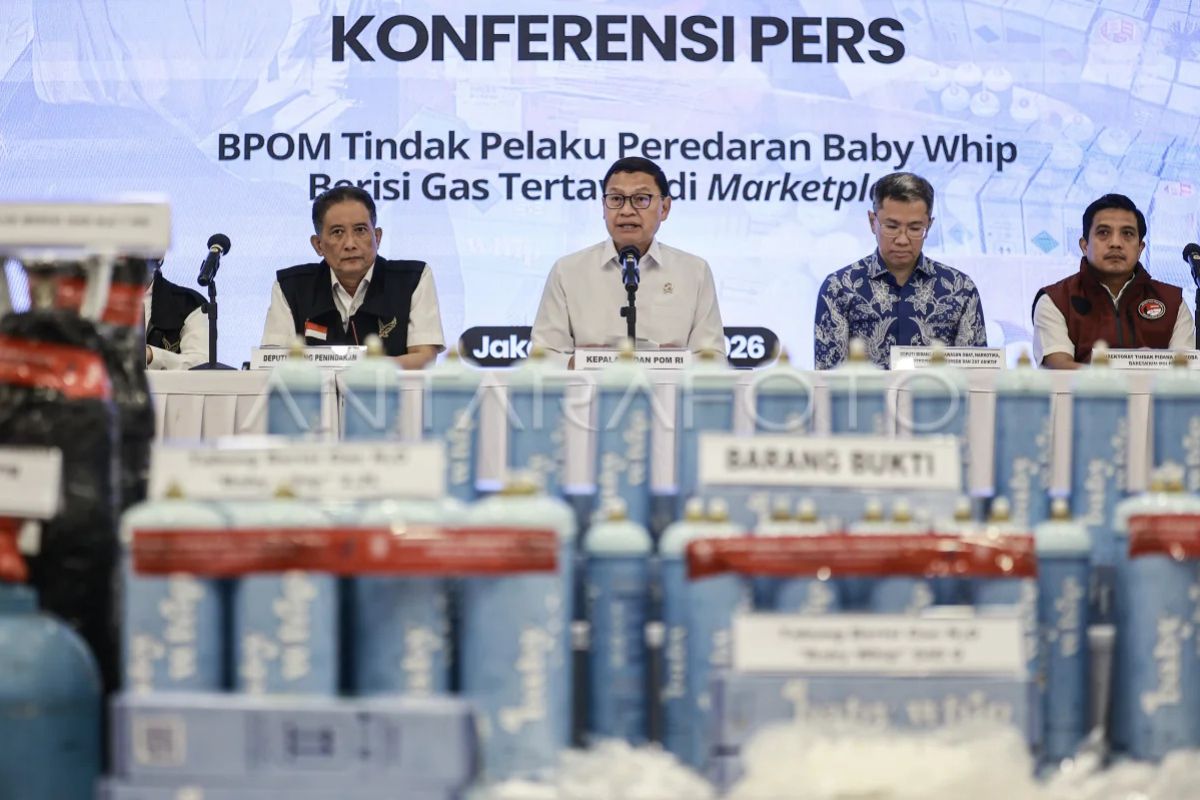
The Food and Drug Monitoring Agency (BPOM) has stated it is continuously tightening oversight and vigilance in response to the ever-evolving threat of narcotics, which are now found in various forms such as new psychoactive substances (NPS) and the misuse of certain medications. Speaking in Jakarta on Sunday to mark International Anti-Narcotics Day, BPOM Head Taruna Ikrar said the world is currently facing an invasion of NPS, a type of new synthetic drug designed to mimic the effects of conventional narcotics. “The wide variety of NPS often means these compounds are not yet fully covered by existing regulations. This condition creates serious challenges in terms of oversight, law enforcement, and public protection,” he said. Beyond NPS and narcotics camouflaged in vape liquids, the agency is also observing the rising phenomenon of prescription drug abuse and the misuse of certain medications, both hard and limited over-the-counter drugs, as substitutes for conventional narcotics, often targeting new users with cheaper prices. “Products such as tramadol, trihexyphenidyl, dextromethorphan, and even ketamine are often found to be used not for medical indications, but to obtain psychoactive effects similar to narcotics,” Taruna said. He assessed that this phenomenon requires serious attention, given the trend indicating a shift in abuse patterns that no longer rely solely on illegal narcotics but also exploit the legal pharmaceutical supply chain. “Products that appear ordinary can become a medium for smuggling or abusing hazardous substances that threaten the health and future of the younger generation. This certainly requires a much higher level of vigilance,” he said. In response, the agency has issued BPOM Regulation Number 12 of 2025 concerning Certain Medications that are Frequently Abused, which regulates stricter oversight of these drugs from production, distribution, storage, and dispensing to destruction. Meanwhile, to tackle the rapidly and complexly evolving characteristics of NPS, BPOM is striving to enhance its detection capacity through laboratory strengthening, analytical method development, and improving the competence of involved human resources. “For the oversight of liquid vape products, BPOM routinely conducts pre-market and post-market controls in accordance with its authority,” he said. BPOM is also strengthening coordination with law enforcement officers and relevant agencies to conduct surveillance and take action against products suspected of containing narcotics, psychotropics, or other addictive substances. The agency actively participates in the 2025–2029 National Action Plan for the Prevention and Eradication of Narcotics and Precursor Abuse and Illicit Trafficking. BPOM supports the implementation of campaigns on the dangers of narcotics and precursors. Together with the Indonesian National Police, BPOM plays a role in investigations to uncover the illicit trafficking of narcotics, precursors, and psychotropics, including NPS. Furthermore, the agency conducts testing on criminal evidence related to narcotics, psychotropics, and addictive substances obtained from various sectors, such as the Police and the National Narcotics Agency, as part of reporting data in the field of prevention and eradication. “Education, oversight, and cross-sector collaboration are the keys to breaking the chain of production and illicit trafficking of narcotics and illegal drugs,” he said. Through this year’s International Anti-Narcotics Day commemoration, BPOM invites all elements of society to increase vigilance against all forms of drug abuse, including those camouflaged as legal products or misused through legal channels.