
BPOM Tightens BPA Migration Limits, Urges Producers to Prioritise Safety
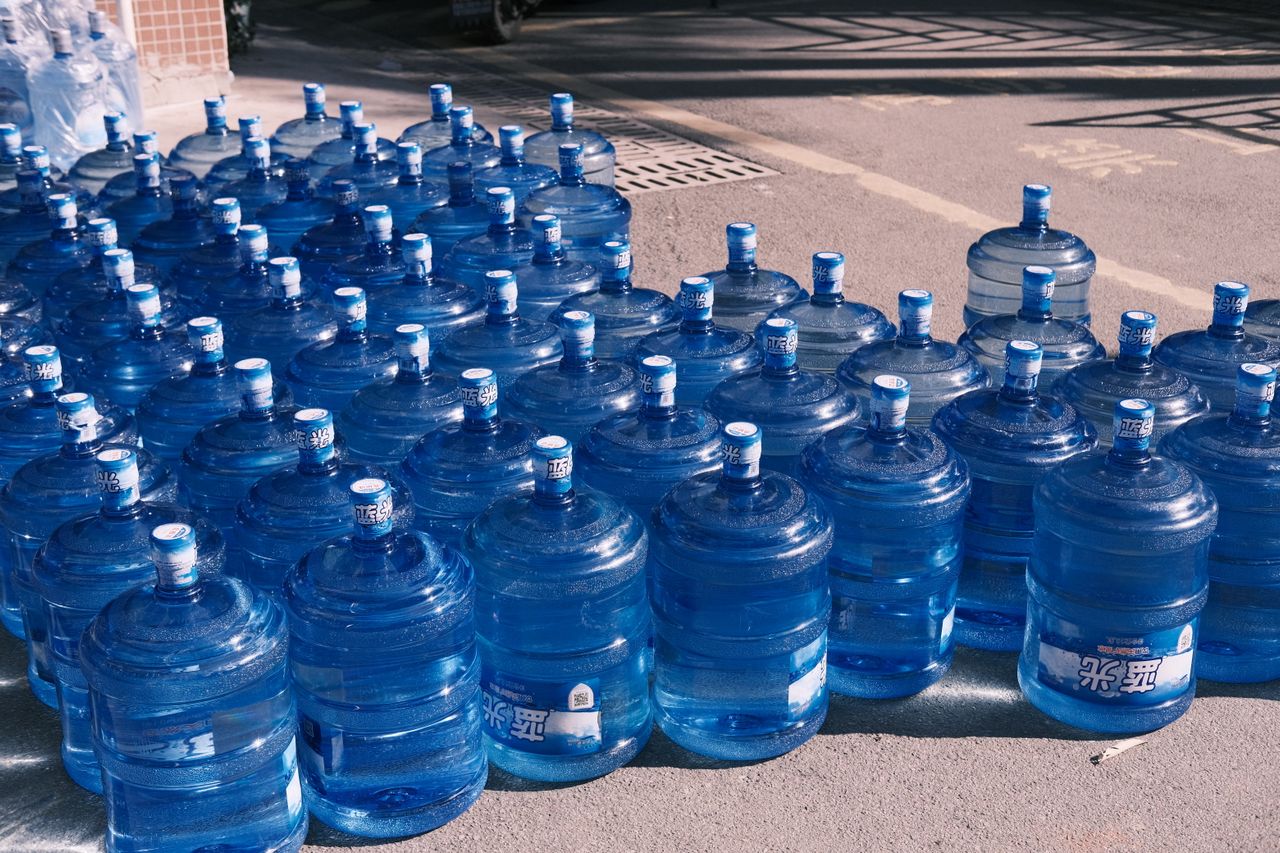
The Food and Drug Monitoring Agency (BPOM) is strengthening consumer protection by tightening the migration limit for Bisphenol A (BPA) that may transfer from packaging into food or beverages. Under BPOM Regulation No. 11 of 2026, the BPA limit for polycarbonate plastic packaging, a type of rigid plastic, is set at 0.05 milligrams per kilogram, far stricter than the previous limit of 0.6 milligrams per kilogram.
This provision is relevant for the public who use refillable gallons as daily drinking water containers. BPA is one of the materials used in manufacturing polycarbonate gallons, commonly known as refillable gallons. Therefore, BPA migration from polycarbonate packaging is one of the aspects regulated to ensure food and beverage safety.
Migration refers to the transfer of some chemical substances from packaging into food or beverages. Specifically for plastic packaging used repeatedly, such as refillable gallons, the new rule also requires migration testing three times. Head of BPOM, Taruna Ikrar, said the regulatory change was made in line with developments in food safety and global regulations.
“BPOM has reviewed the maximum BPA migration limit in accordance with global safety and regulatory developments. The change in the maximum BPA migration limit requirement is now stipulated in BPOM Regulation No. 11 of 2026 concerning Food Packaging,” said Taruna, quoted on Saturday (29/8).
With the new limit, the amount of BPA permitted to migrate from packaging into water or food is now smaller. This change shows that packaging safety standards continue to be updated in line with scientific developments. For consumers, the implementation of these standards is an important part of ensuring that the food and beverages consumed continue to meet applicable safety requirements.
Chairman of the National Consumer Protection Agency (BPKN), Muhammad Mufti Mubarok, appreciated BPOM’s move to tighten BPA regulations. According to him, regulations must continue to be adjusted to scientific developments and the need for public protection.
“This is a positive step,” said Mufti.
According to Mufti, the success of the new regulation is not solely determined by the BPA limit figure. Inspection and enforcement against violations in the field must also be carried out so that the benefits of the regulation are truly felt by consumers.
“BPKN sees at least four aspects that need to be strengthened: periodic laboratory testing, transparency of supervision results, monitoring of products in circulation, and mechanisms for handling complaints and product recalls if violations are found,” he explained.
The new regulation also provides special protection for infants and children under three years of age. BPA is prohibited from being used to make bottles and plastic products that come into direct contact with food or beverages for this age group.
Responding to the plan to implement the regulation gradually until 1 July 2031, BPKN assessed that this time should be used by producers, testing laboratories, and supervisors to prepare.
“These five years must be a period of accelerated improvement,” concluded Mufti.