
BPOM Strategy to Build Jamu Industry Through SMEs and Innovation
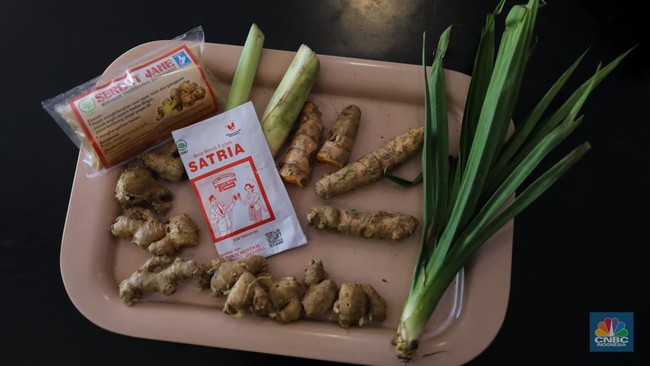
Jakarta, CNBC Indonesia - BPOM Chairman Taruna Ikrar stated that collaboration and support for jamu SMEs are essential to develop the industry as a national economic pillar. One initiative involves guiding SMEs through the Proaksi Terpadu programme, which accelerates product registration and provides integrated mentoring.
The programme aims to assist entrepreneurs, including startups and SMEs, to meet standards and expedite product registration.
“Jamu SMEs hold a vital position within the national herbal ecosystem. Therefore, BPOM continues to nurture SMEs through various mentoring programmes,” Taruna said at CNBC Indonesia’s Health Forum on Tuesday (26 May 2026).
In addition to Proaksi Terpadu, the Orang Tua Angkat Jamu (Jamu Foster Parent) programme connects large-scale industries with SMEs to enhance production capacity, meet standards, implement Good Traditional Medicine Manufacturing Practices (CPOBAB), obtain licenses, and develop marketing and export strategies. Taruna stressed this approach is vital to ensure the jamu transformation benefits not only large industries but also strengthens local economies, communities, and small-scale entrepreneurs.
“Natural medicine development, particularly jamu, cannot be done in isolation but requires cross-sectoral synergy from upstream to downstream,” he added.
In the academia-business-government (ABG) collaboration model, he stressed all parties play complementary roles. Universities and researchers (academia) drive innovation and scientific validation. The business sector accelerates commercialisation, investment, and market development.
Meanwhile, the government, including BPOM, ensures regulations, mentoring, and oversight are effectively implemented to produce safe, high-quality, and competitive products.
“Without strong collaboration, jamu’s vast potential will not optimally contribute to national health independence. But with robust synergy, I am confident Indonesian jamu can thrive domestically while becoming a key player in the global market,” he stated.
He stressed it is time to demonstrate Indonesia is not just a biodiversity-rich nation but also a global hub for modern herbal product development.
“We must position jamu not only as a cultural symbol but also as a beacon of health innovation and national autonomy,” Taruna affirmed.