
BPOM States Drug Stock Safe for 6 Months, Prepares Strategy to Curb Price Increases
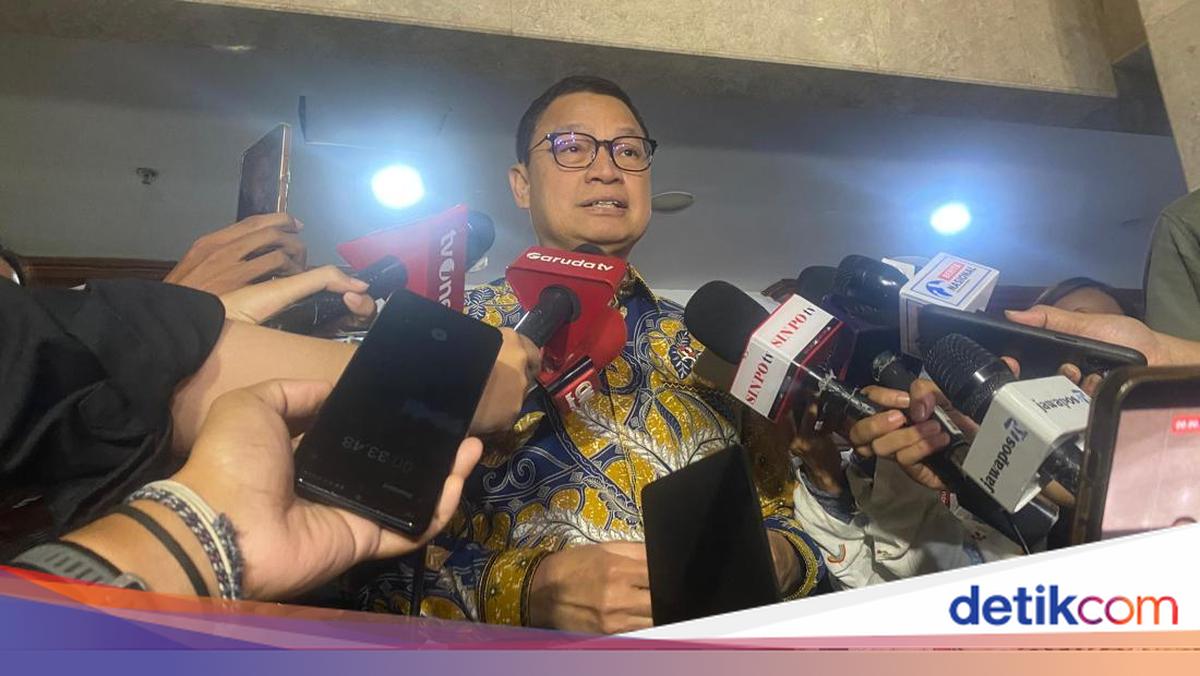
The Head of the National Agency of Drug and Food Control (BPOM), Taruna Ikrar, stated that drug availability in Indonesia remains secure for the next six months amid the geopolitical situation stemming from the Middle East conflict. He expressed hope that the war would soon subside. Taruna initially noted that more than 50% of drug packaging comes from petrochemical products. Such packaging heavily depends on chemical materials produced from oil processing. “We are aware of the current geopolitical issues related to drug prices; we understand that. Generally, there are two aspects to drugs: their products and packaging, with over 50% of the packaging consisting of petrochemicals. That means residues from materials produced from oil, like plastics and so on, such as ethanol and phenol, which are used in packaging manufacturing,” Taruna said at the parliamentary complex in Senayan, Jakarta, on Monday (20/4/2026). Taruna explained that the current geopolitical situation will undoubtedly affect global drug availability. He mentioned that the global scenario could impact drug prices. “Additionally, around 30% of circulating chemical drugs are also derivatives of petrochemicals, related, for example, to raw materials for paracetamol. These are chemical derivatives for drugs, and some anti-inflammatory drugs like ibuprofen originate from petrochemicals,” he stated. “So, in conclusion, the current international geopolitics will certainly have an influence, especially since more than 90% of our raw materials, intermediate products, and even biosimilars are imported. This will naturally impact drug prices,” he added. Taruna said that drug availability in Indonesia is still safe for the next six months. Nevertheless, the government must address the conflict if it persists. “So far, we are still safe for about six months ahead, based on calculations combined with pharmaceutical entrepreneurs. But if this war continues, it will have an effect,” he remarked. BPOM is preparing strategies to keep drug prices stable. He mentioned that changes are needed in the drug packaging system. “So, there are two strategies that BPOM is implementing. The first relates to packaging; BPOM will issue new regulations. Previously, for example, changing packaging required standardisation tests, stability tests for packaging, and so on,” Taruna said. “Now, we will create a decision allowing industries to change their packaging as long as safety and stability are assured,” he continued. He suggested that plastic drug packaging could be replaced with bottles. Taruna also mentioned that strip packaging could be switched to paper or carton. “For example, can plastic be changed to bottle packaging? Or from strips to paper or carton packaging. If we don’t change these regulations, it will affect drug prices because around 30% of packaging influences drug costs,” he said. Taruna stated that Indonesia will negotiate with the countries that supply the most drugs to Indonesia. He noted that Indonesia ranks among the top 10 best regulators in the world for drugs, food, and especially vaccines. “So, these two strategies will, I am confident, control our drug prices at least until the end of the year. Since we are safe for the next six months, the next phase, if the war continues, we will implement these strategies to protect our people so that prices do not rise,” he added.