
BPOM: Risk Management Programme Strengthens National Processed Food Competitiveness
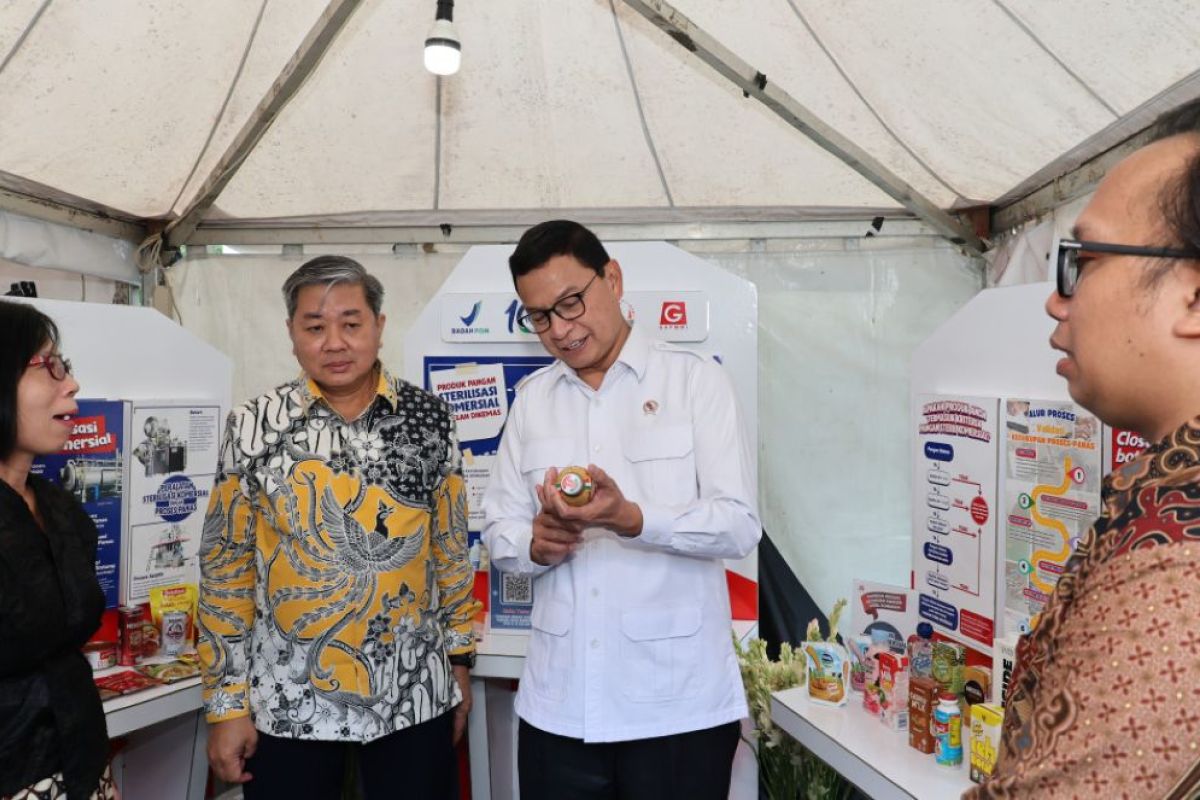
The Food and Drug Monitoring Agency (BPOM) has stated that the Food Safety Risk Management Programme (PMR) strengthens the competitiveness of the national processed food industry, as food safety is an investment for consumer protection and economic growth.
“Food safety is not just a matter of regulatory compliance, but an investment to protect consumers and strengthen national economic growth. The Risk Management Programme is an important instrument for building a food safety culture in the Indonesian processed food industry,” said BPOM Head Taruna Ikrar in Jakarta on Wednesday.
Taruna noted that the PMR has shown significant development over the past decade. Initially mandatory only for the industry producing food for special nutritional needs for infants and children, its scope has now been expanded to include high-risk processed foods, such as commercially sterile food processed through thermal sterilisation and all categories of food for special nutritional needs.
He explained that the commercially sterile food industry is a key focus for development due to its increasing prospects and growing importance in supporting various national strategic needs. These products offer a long shelf life, efficient distribution, and maintain quality and safety without the use of preservatives.
“Products like packaged sterile rendang, ready-to-eat gudeg, sterile chicken soup, ready-to-eat side dishes, and specialised nutritious foods are now showing increasingly large market opportunities,” he said.
Thermal sterilisation technology and airtight packaging also open new opportunities for traditional Indonesian foods and SME products to gain added value. Products that previously only had a local market reach can now have a longer shelf life, wider distribution, and opportunities to enter modern markets or be exported without compromising taste characteristics or safety standards.
He stressed that these opportunities must be accompanied by industry readiness to maintain product quality. The PMR is an effort to encourage the independence of the processed food industry in guaranteeing the safety of its products.
“Unlike conventional supervision approaches, PMR places business actors as the main party responsible for food safety through controlling critical production points and consistently implementing quality management systems,” said Taruna.
His agency is also developing various facilitation schemes for Micro and Small Enterprises (MSEs), ranging from Risk Management Programme Implementation Permits to the preparation of technical guidelines so that business actors can meet food safety standards in stages.
“The Risk Management Programme is very good for us in the fisheries sector, especially for fresh and processed fish. We are committed to having this approach applied to fishery products,” said Ishartini.
Chairman of the Daily Board of the Indonesian Thermal Process Food Forum (FPTPI), Feri Kusnandar, stated that human resource development is a crucial foundation for the industry’s sustainability.
“We are currently gathering many stakeholders focused on human resource development, especially in the PMR which requires specific competencies for developing commercially sterile food. We will continue to build human resource capacity to create a conducive ecosystem with all processed food stakeholders,” said Feri.
Chairman of the Indonesian Food and Beverage Entrepreneurs Association (GAPMMI), Adhi S. Lukman, assessed that food safety is an essential foundation for building national food security. According to him, expanding the implementation of PMR will further strengthen public trust in national food products while enhancing industrial competitiveness.
“We are committed to encouraging business actors to process food safely through the Risk Management Programme, which has proven over the past ten years to be an important part of processed food production,” said Adhi.