
BPOM Pursues Growth of Commercial Sterile Food Industry via Risk Management Programme
Jakarta (ANTARA) - The Indonesian Food and Drug Authority (BPOM) is encouraging the growth of the national commercial sterile food industry, in terms of production capacity, innovation, and export volume, to align with the implementation of food safety assurance systems through the Risk Management Programme (PMR).
The Head of BPOM, Taruna Ikrar, stated in Jakarta on Tuesday that the commercial sterile food industry is a primary focus, given its promising developmental prospects. In addition to having a long shelf life and being practical to distribute, commercial sterile food products are increasingly necessary to support various national strategic needs.
Furthermore, he noted that commercial sterile food is utilised for disaster relief, defence logistics (military rations), and holds potential for providing nutritious food in regions with limited infrastructure.
These Ready-to-Eat (RTE) foods undergo a high-temperature sterilisation process for a specific duration, followed by hermetic packaging to ensure the products are free from potential neurotoxins that are fatal to health.
“Thermal sterilisation technology also enables traditional Indonesian cuisine to penetrate the global market. Products can be stored at room temperature for long periods without losing their flavour characteristics, while still meeting strict food safety standards,” he said.
According to Ikrar, commercial sterile food is a high-risk product, meaning every stage of production must be strictly controlled. Therefore, the PMR serves as a vital instrument to ensure that industrial growth is sustainable while providing safety guarantees to the public.
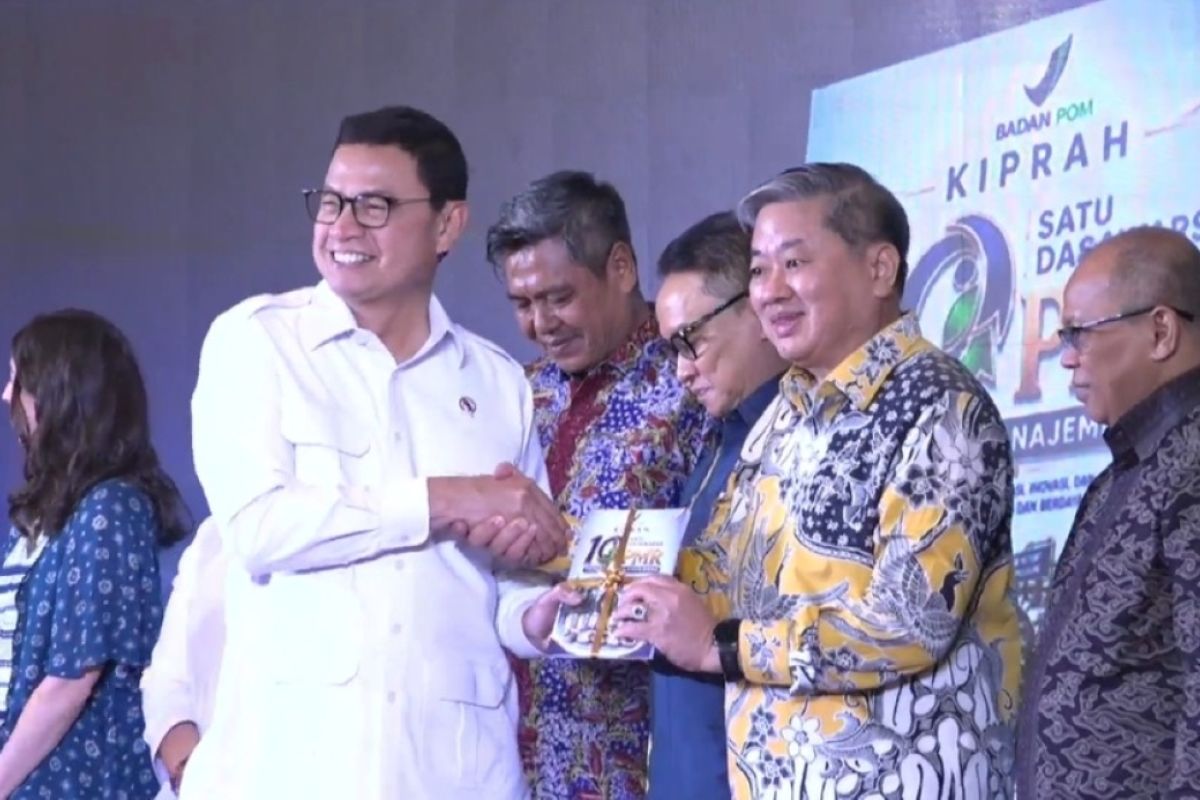
BPOM also organised the National Coordination Forum for Commercial Sterile Food to reinforce the commitment of all components within the commercial sterile food ecosystem.
“The vast opportunities in the commercial sterile food sector must be balanced with the industry’s readiness to produce safe, high-quality, and consistent products,” he added.
Over the decade since its inception by BPOM in 2015, the PMR has driven a paradigm shift in food supervision in Indonesia. Additionally, the implementation of PMR has initiated the recognition of business actors’ independence in fulfilling their roles as the primary parties responsible for food safety.
Previously, business supervision focused more on the final product. In contrast, the PMR emphasises a preventive, risk-based supervisory approach. Business actors are encouraged to identify, control, and prevent potential risks from the production process onwards, focusing on critical stages that could lead to extraordinary food safety incidents.
“With a reliable food safety system, the commercial sterile food industry has a greater opportunity to enter wider markets and address the needs of various national strategic programmes,” he concluded.
Source: jawawa.id (https://jawawa.id/newsitem/bpom-pursues-growth-of-commercial-sterile-food-industry-via-risk-management-programme-1782798886)
Originally published by Antara (Indonesian) (https://www.antaranews.com/berita/5628507/bpom-kejar-pertumbuhan-industri-pangan-steril-komersial-dengan-pmr), translated from Indonesian