
BPOM Head: Majority of Retailers Unaware of Illegal Cigarette Characteristics
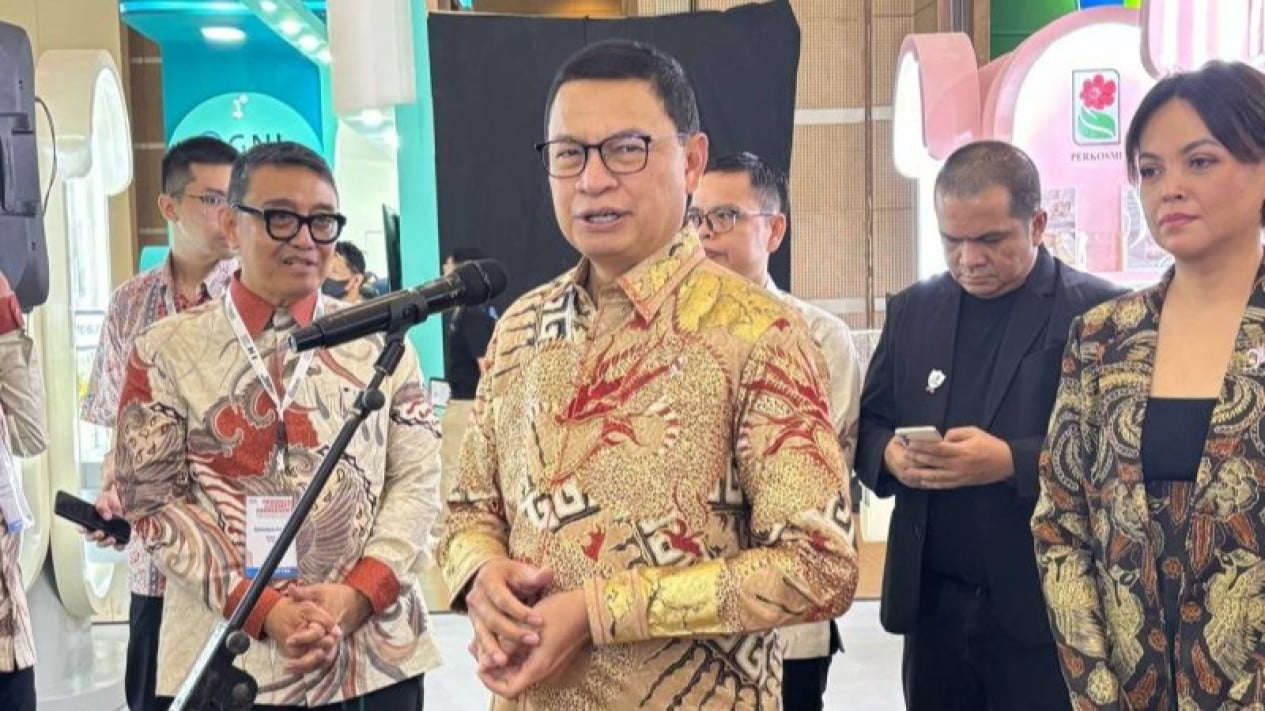
The Head of BPOM, Taruna Ikrar, has revealed that the majority of retail traders in Indonesia still do not understand the characteristics of illegal cigarettes. These findings were obtained from monitoring conducted by BPOM in several regions while tracking the distribution of tobacco products at the retail level.
Taruna stated that BPOM officers frequently find products indicated as illegal cigarettes in shops, stalls, and minimarkets whilst carrying out their supervisory function regarding the inclusion of pictorial health warnings and information on product labels.
‘BPOM supervisory officers often find illegal cigarettes at the retailer level while carrying out their supervisory function,’ Taruna said in a written statement on Tuesday, 9 June 2026.
During this oversight, BPOM uncovered various forms of excise violations. These included products not equipped with excise stamps, the use of fake or used excise stamps, and the use of excise stamps that did not match their designation. In addition, officers also found cases of incorrect personalisation, where the industry name printed on the excise stamp did not match the information on the product packaging. There were also discrepancies between the number of cigarette sticks stated on the packaging and the information on the excise stamp.
BPOM recorded a number of findings in various regions. In Padang, for instance, several cigarette brands were discovered displaying pictorial health warnings but suspected of using fake or used excise stamps. Meanwhile, in Serang, Banten, officers found machine-rolled kretek cigarette products using excise stamps designated for hand-rolled kretek cigarettes. Furthermore, products were found where the industry name on the excise stamp differed from the information on its packaging.
Following these findings, BPOM has reported and provided recommendations to the Directorate General of Customs and Excise as the agency with the authority to take action against excise violations. According to Taruna, this situation demonstrates the importance of increasing education for traders so that they can recognise and only sell legal products. ‘Socialisation and education must be continuously carried out so that they only sell legal products,’ he stated.
Taruna’s statement emerged amidst the controversy surrounding the planned implementation of plain packaging without branding for cigarette products. However, he asserted that BPOM has so far not found any evidence demonstrating a direct link between such a policy and an increase in the circulation of illegal cigarettes.