
BPOM Declares Bogor and Depok in a Tramadol Misuse Emergency
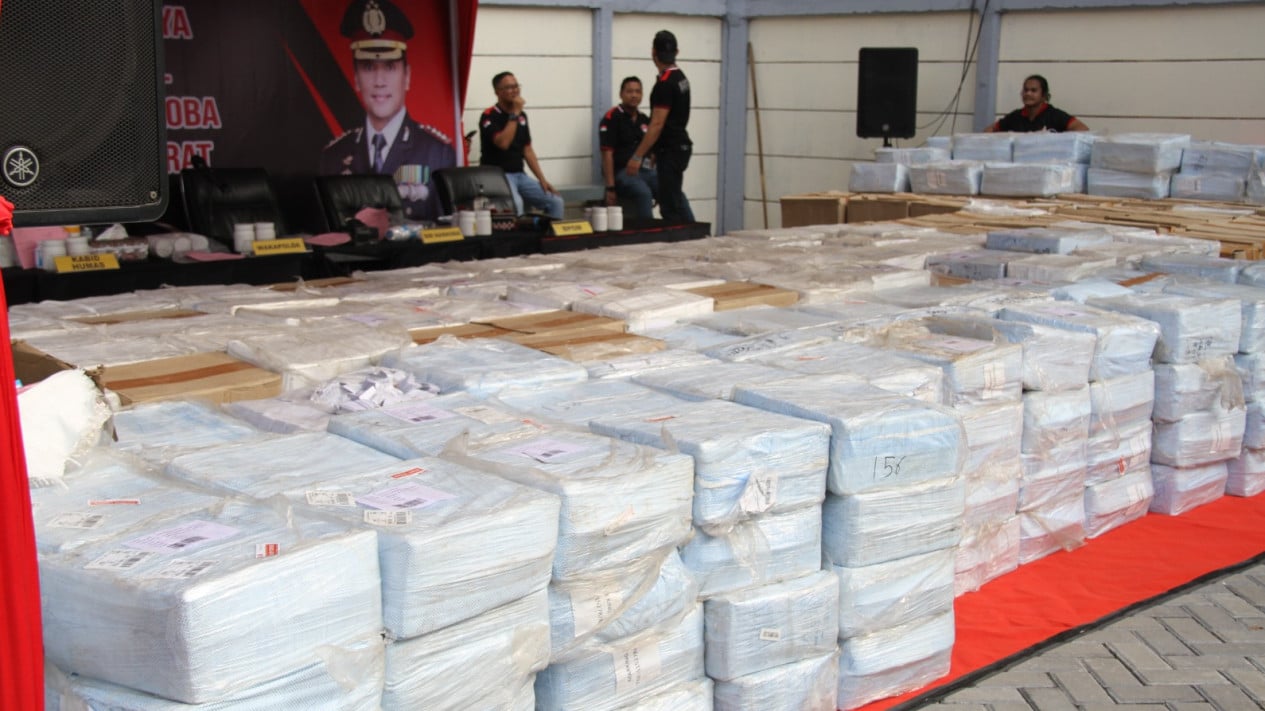
BPOM has shut down illegal factories in West Java and Central Java, uncovering more than one billion tablets of certain medicines (OOT) and raw materials worth Rp398 billion, in a bid to prevent misuse. BPOM chief Taruna Ikrar said that OOT refers to medicines regulated under BPOM Regulation No. 12 of 2025 on Certain Medicines Often Misused, namely tramadol, trihexyphenidyl, chlorpromazine, amitriptyline, haloperidol, ketamine, and dextromethorphan. ‘Misuse of OOT, particularly in the Bogor and Depok area, has become an emergency, as it shows a significant upward trend and has begun to shift away from narcotics and psychotropics misuse,’ Taruna said. BPOM’s tracing indicates that nationwide areas prone to OOT crime rose 19-fold over seven years, with distribution dominated by logistics services. Cyber-related findings have also doubled, and OOT-related cases have become the most common in medicines investigations. Data from Balai POM Bogor’s enforcement results show 46 enforcement operations carried out in collaboration with authorities in Depok City. The data also notes 37 requests for witness/expert statements from law enforcement related to OOT misuse. ‘BPOM has conducted routine supervision of 449 pharmaceutical service facilities in the Bogor and Depok area from 2023 to Q1 2026. BPOM has also run communications, information and education (KIE) activities on the dangers of OOT misuse to 115 schools in Depok City,’ he said. Additionally, the Training of Trainers to Prevent Misuse of Drugs and Food (ToT CEPOT) programme, implemented in Depok City, will be expanded to Bogor Regency and Bogor City. ‘The target number of schools to be intervened over the next 2–5 years is 1,369 schools in Bogor Regency and 363 schools in Bogor City,’ he added. He warned of serious health impacts such as hallucinations, behavioural disturbances, brain function disorders, and dependence. In the long term, OOT misuse risks organ damage, serious mental disorders, overdose, and even death. ‘It could also threaten the nation’s future by undermining the quality of the younger generation, increasing crime, and imposing an economic burden that could impede Indonesia’s Golden Indonesia 2045,’ he said.