
BPOM cracks down on illegal certain medicines worth Rp398 billion to curb abuse
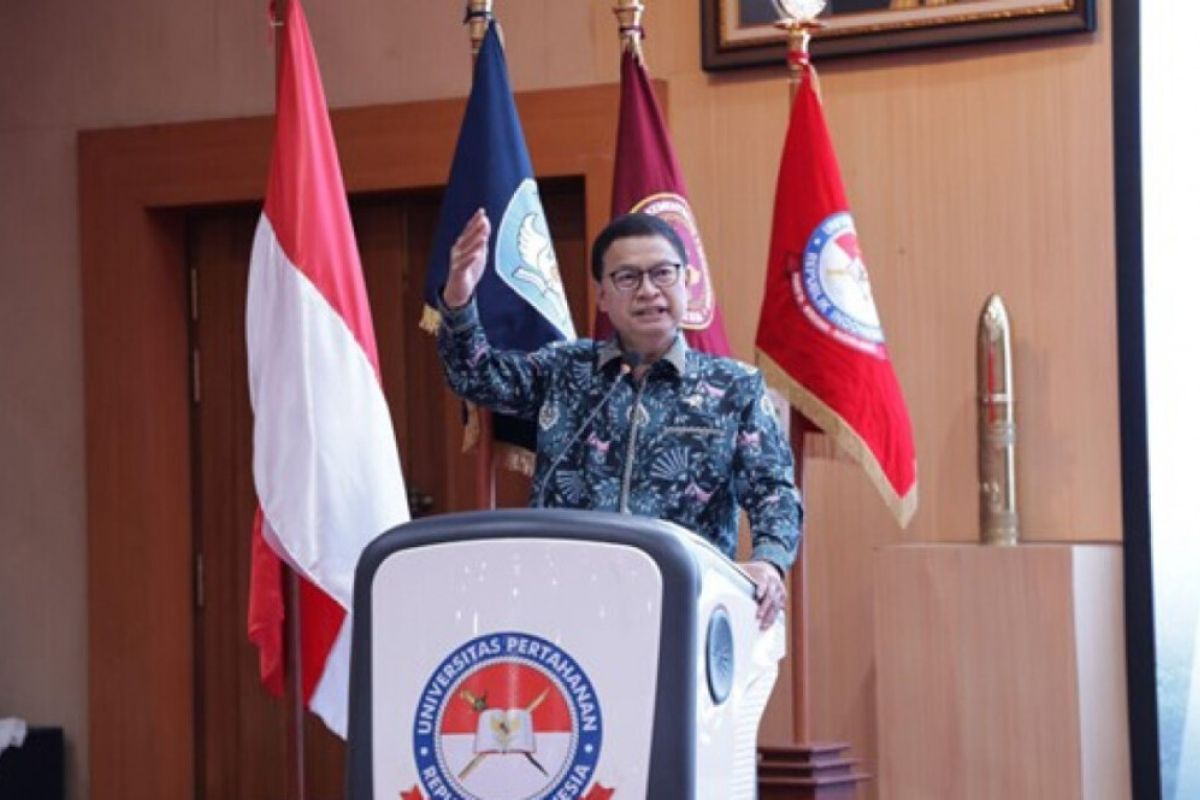
Jakarta (ANTARA) – The Food and Drug Supervisory Agency (BPOM) has shut down illegal factories in West Java and Central Java, uncovering more than one billion tablets of certain medicines (OOT) and raw materials valued at up to Rp398 billion, in an effort to prevent abuse. Head of BPOM, Taruna Ikrar, in Jakarta, on Wednesday, said that the OOT are those listed under BPOM Regulation Number 12 of 2025 concerning Certain Medicines That Are Frequently Misused, namely tramadol, trihexyphenidyl, chlorpromazine, amitriptyline, haloperidol, ketamine, and dextromethorphan. ‘The abuse of OOT, particularly in the Bogor and Depok areas, has become an emergency, showing a significant upward trend and starting to displace the abuse of narcotics and psychotropics,’ Taruna said. Meanwhile, BPOM’s surveillance/enforcement data in Bogor show 46 enforcement operations conducted jointly with authorities in Depok City. The data also records 37 requests for testimony from witnesses/experts from law enforcement authorities regarding OOT abuse. ‘BPOM has conducted routine oversight of 449 pharmacial service facilities in the Bogor and Depok area from 2023 through the first quarter of 2026. BPOM also carried out communications, information, and education (KIE) activities on the dangers of OOT abuse to 115 schools in the Depok city area,’ he said. In addition, the Training of Trainers to Prevent Abuse of Medicines and Prohibited Foods (ToT CEPOT) programme, which has been implemented in Depok City, will be expanded to Bogor Regency and Bogor City. ‘The target schools to be intervened in the next 2–5 years are 1,369 schools in Bogor Regency and 363 schools in Bogor City,’ he said. ‘Moreover, it may threaten the nation’s future by undermining the quality of the younger generation and increasing crime and economic burdens that could hinder the realisation of Indonesia Emas 2045,’ he added. The technical implementation units (UPT) of BPOM nationwide, including Balai POM in Bogor, continue to move to tighten enforcement and legal action against OOT-related crimes. ‘All parties are expected to play an active role in line with their duties, including in public education, information sharing, monitoring, reporting networks, and building an ecosystem that supports the prevention of OOT abuse,’ Taruna said. He noted that May 2026 will be the Month of Drug and Food Crime Prevention. Through a National Action, it is hoped that public awareness will rise, cross-sector collaboration will be strengthened, and concrete steps to prevent misuse of OOT in Indonesia can be implemented in a synergistic manner. In the same event, Defence University Rector Anton Nugroho said that OOT pose a hidden threat, being considered safe, cheap, and easily accessible, especially by the younger generation. According to him, sanctions for OOT law violations do not appear to deter. Abuse continues to evolve and can become a gateway to narcotics and psychotropic abuse. ‘We urge the nation’s younger generation to have the will to study, to seek knowledge, to become the defence of the nation, and to become human resources who stay away from illegal drugs to realise the 2045 Golden Generation,’ he said.