
BPOM and the future of gene therapy
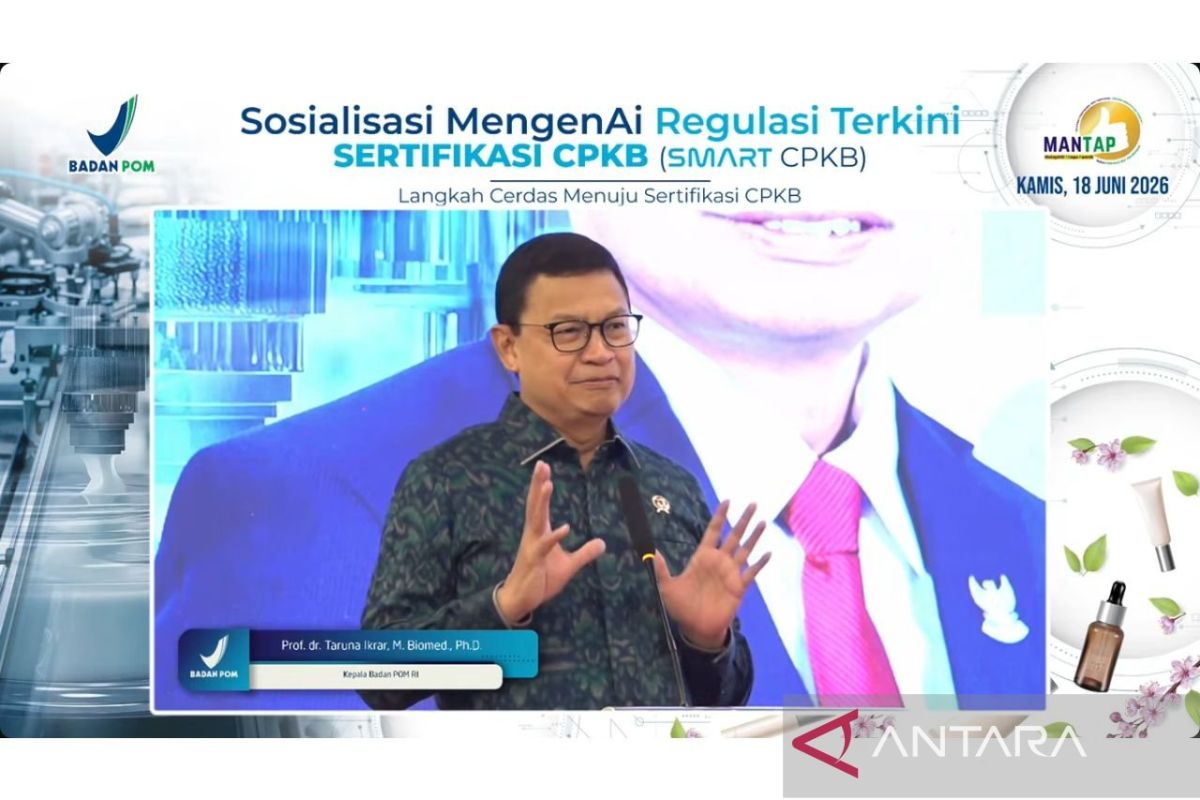
A major transformation is underway in global health. The development of gene therapy, cell therapy, tissue engineering, and artificial intelligence has shifted the paradigm of healthcare from merely treating symptoms to precision therapies that directly address the source of disease. The medical world is now entering an era where genetic disorders, cancer, and organ damage can be tackled through genomic-based approaches and modern biological engineering. Amidst these global changes, Indonesia must not remain merely a market for global health technology, but must start taking a position as a key player in modern biopharmaceutical innovation. This message is increasingly relevant as the world enters the era of advanced therapy medicinal products (ATMP), which include gene therapy, cell therapy, and tissue-engineered products. These technologies offer new hope for patients with cancer, rare genetic diseases, degenerative conditions, and organ damage that are difficult to treat with conventional therapies. The success of CAR-T cell therapy in treating childhood leukaemia is proof that science has entered a new chapter in human medicine, where a patient’s immune cells can be engineered into a biological weapon to fight cancer. However, scientific progress will not deliver maximum benefits without adaptive and credible regulatory support. In this context, the role of regulators becomes highly strategic. Health regulation can no longer lag behind technological developments. Regulation must act as an accelerator of innovation while simultaneously protecting the public by ensuring the safety, efficacy, and quality of modern therapies. Therefore, BPOM must serve not only as a supervisory body but also as a strategic enabler in building a national ecosystem for gene therapy and health biotechnology. BPOM has begun strengthening various policies related to ATMP through assistance in advanced therapy clinical trials, reinforcing Good Manufacturing Practice standards, supervising human cell and tissue processing facilities, and harmonising regulations with international standards such as those of the WHO, US FDA, and European Medicines Agency. This commitment has also garnered international attention. The appointment as Adjunct Professor of Pharmacology at UTMSPACE in May 2026 is not merely a personal academic honour, but a symbol of recognition for Indonesia’s growing role in global health regulatory diplomacy, particularly in the development of cell therapy, gene therapy, and science-based health policy. This momentum demonstrates that Indonesia is beginning to be taken into account in global conversations about the future of health biotechnology. This recognition should serve as a catalyst to accelerate the development of a national innovation ecosystem. Southeast Asian countries are currently racing to build biomedical innovation ecosystems. Singapore has developed into Asia’s precision medicine hub, while Malaysia and Thailand are strengthening their regenerative medicine and cell therapy sectors. Indonesia has significant potential to secure a strategic position, supported by its large population, rich biodiversity, market capacity, and growing human resources.