
BPOM Analyzes Challenges for Traditional Medicine and Herbal Extract Industry to Scale Up
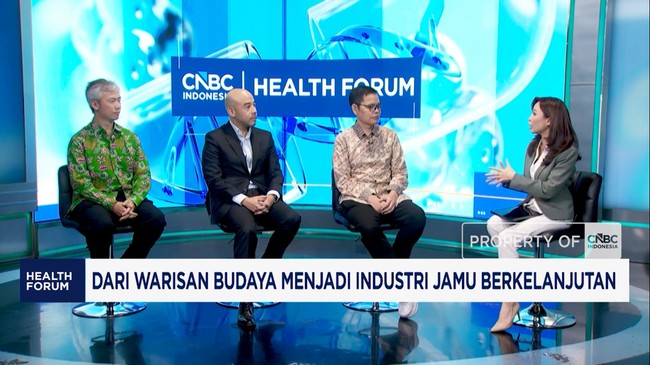
Jakarta, CNBC Indonesia – CNBC Indonesia hosted the Health Forum 2026 on Tuesday, 26 May 2026, under the theme ‘From Cultural Heritage to Sustainable Jamu Industry’, a platform for regulators and industry players to strengthen the development of jamu as Indonesia’s cultural heritage to be more competitive and relevant in the modern and sustainable healthcare industry.
Mohamad Kashuri, Deputy Head of Traditional Medicine, Health Supplement, and Cosmetic Supervision at BPOM RI, highlighted several challenges in the national jamu industry’s development, including regulatory issues.
Many small and medium enterprise (SME) jamu producers lack understanding of regulations, hindering their marketing efforts. Additionally, funding constraints impede SMEs from upgrading, while production and product innovation aspects are crucial for maintaining Standardised Herbal Medicine (OHT) quality and consumer appeal.
Patrick Kalona, President Director of PT Phytochemindo Reksa, echoed BPOM’s concerns, noting the need for a stronger ecosystem to support Indonesia’s herbal extract industry.
Over the past decade, Indonesia’s herbal extract industry has grown from six to nearly 22 companies, capable of processing natural ingredients, allowing traditional medicine to help reduce dependency on imported drugs.
Jony Yuwono, Chairman of the Indonesian Jamu Entrepreneurs Association (GP Jamu), stressed the importance of strengthening the ecosystem for the jamu and herbal extract industry to scale up, particularly as Jamu Health Culture has been officially recognised by UNESCO as an Intangible Cultural Heritage.
To popularise jamu consumption, businesses must develop diverse formats to gain global acceptance. Furthermore, collaboration between regulators and industry players is essential to educate the public on jamu’s potential and address illegal products.
What are the prospects and challenges in advancing Indonesia’s jamu and herbal extract industry to scale up and enter global markets, potentially competing with China and India?