
BPNT and PKH Social Assistance: Differences, Eligibility, and July 2026 Disbursement Schedule
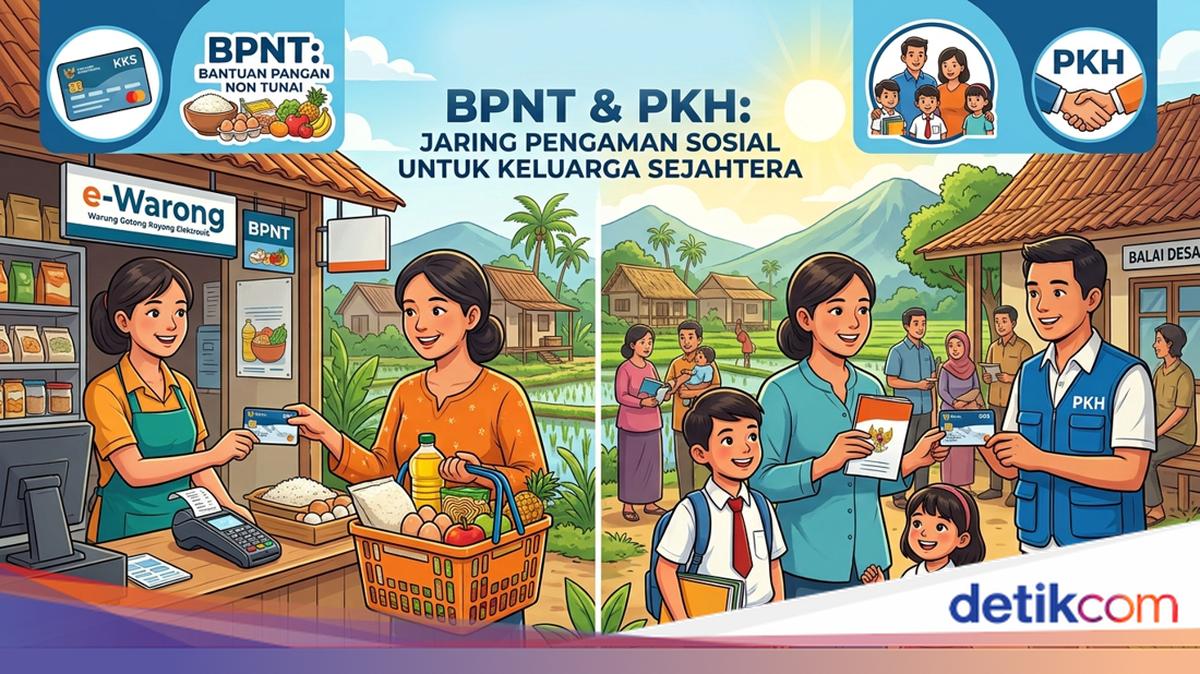
The government distributes various types of social assistance (bansos) each year, including the Non-Cash Food Assistance (BPNT) and the Family Hope Programme (PKH). Despite similarities in their nominal values and distribution methods, BPNT and PKH are different programmes.
According to the Ministry of Social Affairs, BPNT is a transformation of the previous Prosperous Rice (Rastra) subsidy, which was fully replaced by the BPNT scheme by the end of 2019. In 2020, BPNT was further transformed into the Sembako Programme, with the assistance index increasing from Rp 110,000 to Rp 150,000 per Beneficiary Family (KPM) per month. The current nominal value of the Sembako Programme is Rp 200,000 per KPM per month, a figure that has been in effect since March 2020.
PKH, which stands for the Family Hope Programme, has been managed by the Ministry of Social Affairs since 2007. Unlike BPNT, PKH provides varying amounts of assistance based on the beneficiary’s category. The monthly nominal values are as follows: pregnant women and children aged 0-6 years receive Rp 250,000; elementary school students receive Rp 75,000; junior high school students receive Rp 125,000; senior high school students receive Rp 166,666; and elderly citizens aged 60 and above, as well as persons with severe disabilities, receive Rp 200,000. Victims of gross human rights violations receive Rp 900,000 per month.
Eligibility for the Sembako Programme is based on inclusion in the National Socio-Economic Single Data (DTSEN) and requires meeting poverty criteria. Excluded groups include civil servants, members of the TNI/Polri, pensioners, certified teachers, and individuals earning above the district/city minimum wage. PKH eligibility is divided into three components: health (pregnant women and children aged 0-6), education (school-aged children), and social welfare (elderly and persons with disabilities).
Beneficiaries can check their status for both programmes through the Ministry of Social Affairs’ official website or the Cek Bansos mobile application by entering their 16-digit National Identity Number (NIK). Disbursement for both BPNT and PKH is conducted in stages every three months, with the third phase scheduled for July 2026.