
BPLJSKB Proving Ground: Testing Vehicle Fitness to Global Standards
JAKARTA – The Balai Pengujian Laik Jalan dan Sertifikasi Kendaraan Bermotor (BPLJSKB) ensures that motor vehicles circulating in Indonesia meet safety and roadworthiness standards.
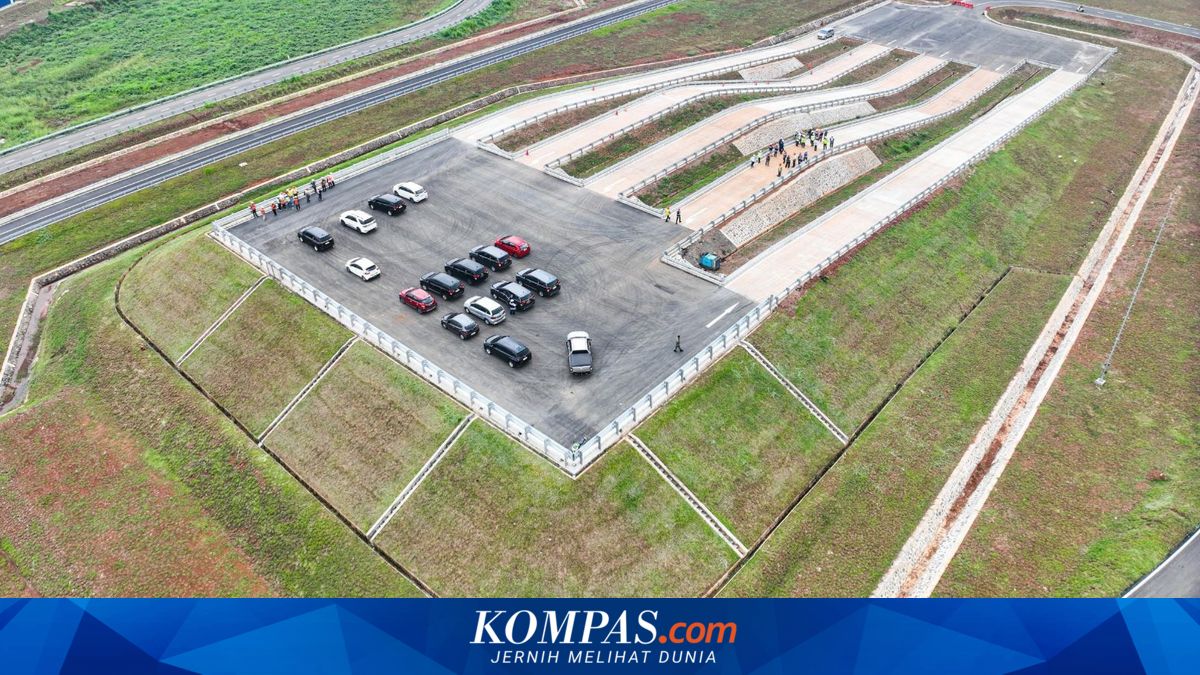
Located in Cibitung, Bekasi, West Java, this facility is equipped with a proving ground used for various type testing, construction inspections, and motor vehicle roadworthiness certification.
Every vehicle marketed has undergone a rigorous technical verification process.
The Head of BPLJSKB, Iman Sukandar, stated that the facility has experienced significant development, particularly with the introduction of a higher-standard proving ground.
“Our area is approximately 90 hectares in total here. We have been operating since 1988, so it’s been 38 years,” Iman told Kompas.com in Bekasi, West Java, on Tuesday (5/5/2026).
“But as I mentioned earlier, in the last year, there has been quite significant development with this proving ground facility,” he said.
Alongside the introduction of this infrastructure, BPLJSKB now has various modern facilities to support motor vehicle type testing.
The testing conducted covers various important aspects, such as the braking system, speedometer accuracy, noise emission, rear-view mirrors, steering equipment, and exhaust emissions.
In addition, the proving ground is equipped with special tracks, starting from general roads for simulating general road conditions, high-speed tracks to test speed and stability, dry tracks for braking tests, uphill tracks, and off-road tracks to test suspension and vehicle stability.
Not only that, overall there are 16 stages of testing that refer to aspects of safety, environmental protection, and vehicle performance.
The testing conducted refers to international standards, including regulations from the United Nations Economic Commission for Europe (UNR), as well as standards applicable in ASEAN countries.
With facilities and standards that continue to be improved, the presence of BPLJSKB is expected to drive the national automotive industry to become increasingly competitive.
In addition, the existence of this institution also provides security guarantees for the public as motor vehicle users.