
BPKH Warns of Risks in 2027 Hajj Fee Scheme, Urges Careful Review of 60% Benefit Subsidy
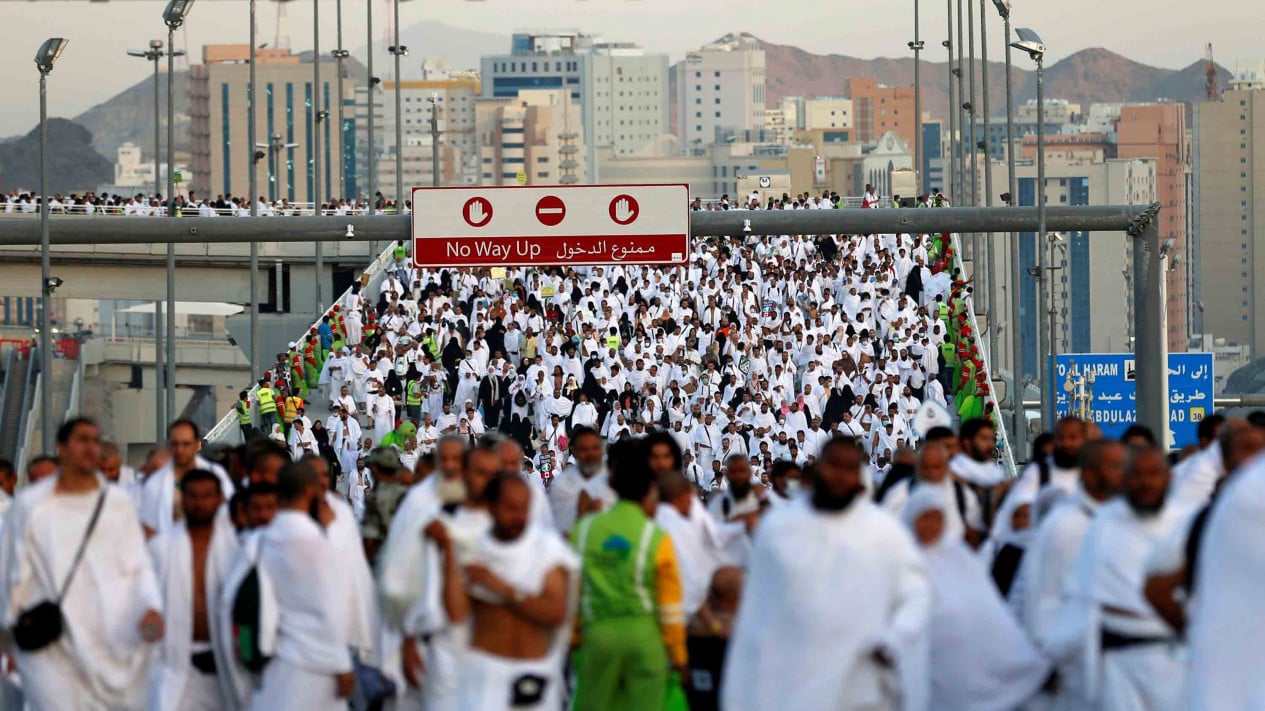
The Hajj Financial Management Agency (BPKH) has reminded the government to carefully review a proposal for the 2027 Hajj financing scheme which would comprise 60% from investment returns (Nilai Manfaat) and 40% from the Hajj Travel Cost (Bipih). According to BPKH, increasing the subsidy portion from the returns must consider the sustainability of the Hajj fund and fairness for the millions of prospective pilgrims still in the queue.
Head of BPKH Fadlul Imansyah stressed that, in principle, the agency supports the government’s efforts to keep Hajj costs affordable. However, the larger subsidy amount needs to be calculated carefully so as not to disrupt the financial health of the Hajj fund.
“In principle, BPKH supports efforts to ensure Hajj costs remain affordable for pilgrims. However, the composition of 40% Bipih and 60% investment returns is still a proposal currently being discussed by the government and the House of Representatives (DPR),” Fadlul said in South Jakarta on Monday, 27 July 2026.
He explained that BPKH only provides technical input regarding financing capacity and the sustainability of the Hajj fund. The final decision on the amount of the Hajj Implementation Cost (BPIH) will be determined by the government after receiving DPR approval.
“BPKH provides technical input regarding the capacity and sustainability of Hajj finances, whereas, after receiving DPR approval, the amount of BPIH is determined by the President,” he said.
Fadlul revealed that in the 2026 Hajj implementation, the financing composition was still dominated by Bipih paid by pilgrims, amounting to 62%. Meanwhile, the remaining 38% came from investment returns generated from BPKH’s management of the Hajj fund. The average Bipih paid by pilgrims in 2026 reached Rp54,193,807, while the subsidy from investment returns amounted to Rp33,215,559 per pilgrim. If the proposed composition is changed to 60% from investment returns and 40% from Bipih, the need for subsidies will increase significantly.
“If the portion of investment returns is raised to 60%, the requirement for investment returns will increase quite significantly, so it must be studied carefully,” he asserted. According to Fadlul, the review of this proposal is not merely about BPKH’s capability as the manager of the Hajj fund. More importantly, it is about maintaining the fund’s sustainability so that it remains secure for all prospective pilgrims, including those still on the waiting list.
Source: jawawa.id (https://jawawa.id/newsitem/bpkh-warns-of-risks-in-2027-hajj-fee-scheme-urges-careful-review-of-60-benefit-subsidy-1785171219)
Originally published by VIVA.co.id (https://www.viva.co.id/berita/nasional/1916810-bpkh-ingatkan-risiko-skema-biaya-haji-2027-subsidi-60-persen-nilai-manfaat-harus-dikaji-matang), translated from Indonesian