
BPKH Targets Rp80 Trillion in Sharia Bank Funds, Proposes Including Hajj Instalments in Management Ecosystem
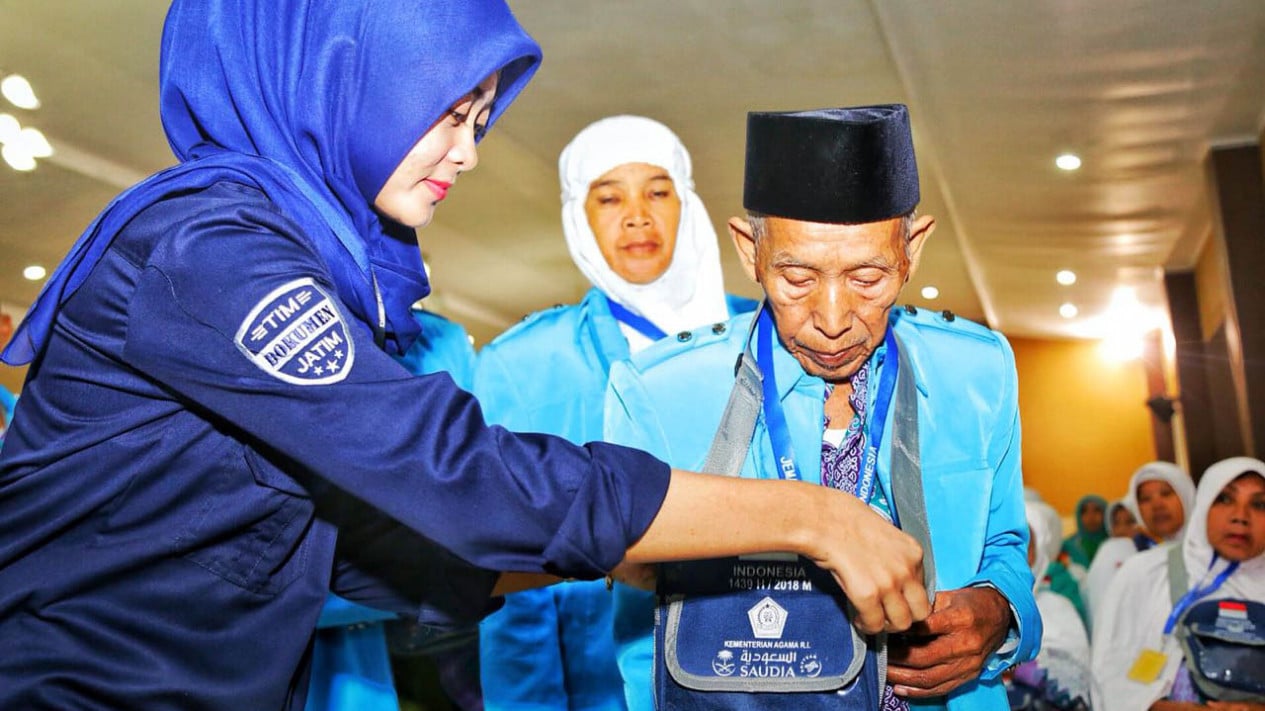
The Hajj Financial Management Agency (BPKH) has proposed that instalment funds for hajj settlement payments be incorporated into the BPKH management ecosystem through a revision of the Hajj Financial Management Law. This measure is considered capable of significantly increasing managed funds while providing greater benefits for prospective hajj pilgrims.
Head of the BPKH Executing Agency, Fadlul Imansyah, revealed that there are currently instalment funds for initial deposits and hajj settlement payments stored in the sharia banking industry, with an estimated value of Rp80 trillion. He stated that these funds have not yet entered the BPKH management system and therefore cannot be optimised to generate value for pilgrims. If these funds can be included in the BPKH ecosystem, the total managed funds, which currently stand at around Rp180 trillion, could potentially increase to approximately Rp260 trillion.
“We have found that reportedly, third-party funds in the form of settlement payment instalments plus initial deposit instalments in the sharia banking industry total Rp80 trillion, which are not captured within BPKH. They should be within the BPKH ecosystem,” Fadlul said in Jakarta on Friday, 12 June 2026.
Fadlul explained that if the instalment funds for settlement and initial deposits could be managed by BPKH, these funds would have the potential to generate more optimal returns. The resulting returns could ultimately be used to help ease the cost burden that pilgrims must bear when their departure time arrives. According to him, one of the benefits that prospective pilgrims could experience is a reduced need to add extra settlement costs due to the more maximised results of fund development. “If the settlement instalments are included and then managed, they will generate returns so that pilgrims do not need to top up or add more,” he said.
BPKH considers the optimisation of pilgrim deposit funds to be an important step in improving the efficiency of hajj financial management while maintaining the sustainability of financing for the organisation of the hajj pilgrimage in the future.