
BPKH Head Says Special Hajj Fund Differences Do Not Enter State Coffers
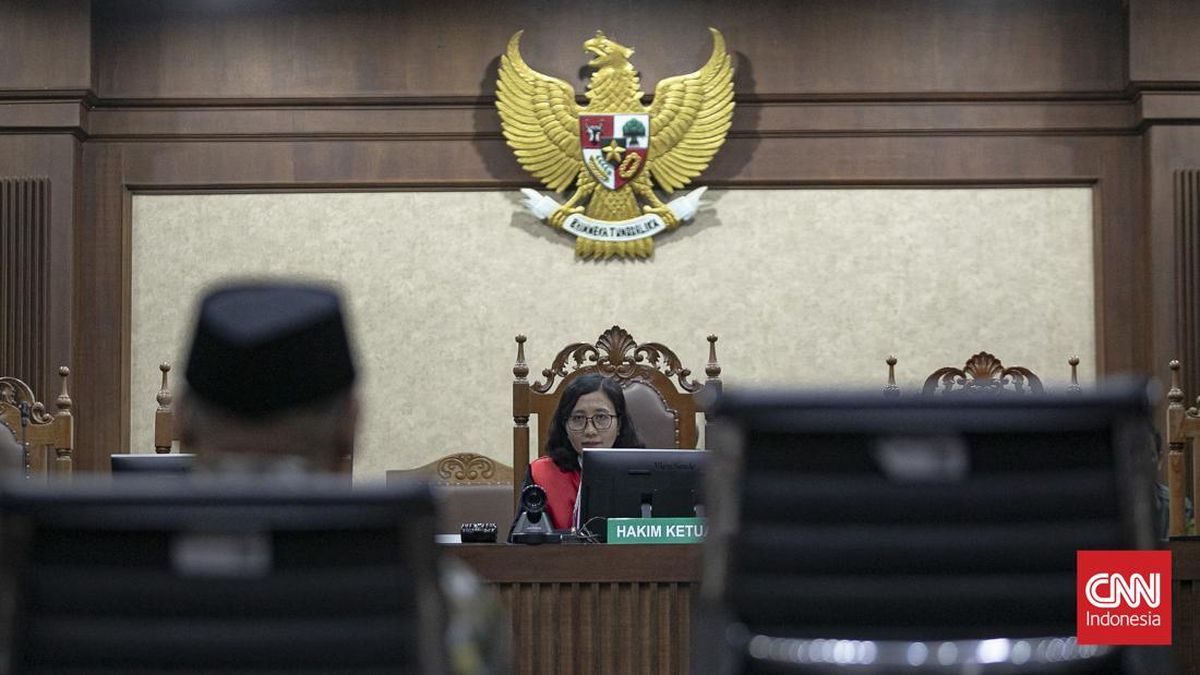
The Head of the Hajj Financial Management Agency (BPKH), Fadlul Imansyah, has stated that differences in special hajj pilgrimage funds are returned to pilgrims, rather than entering the state treasury. Fadlul made the statement while appearing as a witness for defendant Ishfah Abidal Azis, a special staff member of former Religious Affairs Minister for the 2019-2024 period Yaqut Cholil Qoumas, in the trial of the alleged corruption case involving additional hajj quotas for 2023-2024 at the Corruption Court at the Central Jakarta District Court on Thursday (27/8).
Initially, Ishfah’s legal counsel, Wa Ode Nur Zainab, asked Fadlul to explain the management of special hajj funds, including when there is a difference from the money deposited by pilgrims. ‘Regarding special hajj, you mentioned earlier that nothing remains, that any differences are returned to pilgrims through the travel agent. That is for special hajj,’ Wa Ode asked during the trial.
Wa Ode then compared the mechanism with regular hajj funds. She gave an illustration of a pilgrim who has paid Rp60 million, while the organising cost is only Rp55 million, leaving a surplus of Rp5 million. ‘So, where is the remainder returned to?’ Wa Ode asked. ‘To the hajj fund, ma’am,’ Fadlul answered. ‘To the hajj fund? That becomes hajj funds? Is that right? It is not returned to the state, the state treasury?’ Wa Ode asked for confirmation. ‘No,’ Fadlul replied.
During the session, Wa Ode also explored the status of pilgrims’ funds in relation to state finances. Fadlul said the source of hajj finances comes from pilgrims’ deposits. ‘My question is, from all hajj finances, how much belongs to the government? Does the government have any rights?’ Wa Ode asked. ‘If we look at the source, it is from the pilgrims, ma’am,’ Fadlul answered.
He also stated that there is no Non-Tax State Revenue (PNBP) from these funds. This statement was made when Fadlul was asked about whether the government has any rights. ‘For example, is there any tax imposed on every hajj pilgrim?’ Wa Ode asked again. ‘Regarding tax, I do not know the details, ma’am,’ Fadlul said. ‘You are the Head of BPKH. What about PNBP?’ Wa Ode continued. ‘To my knowledge, there is no PNBP,’ Fadlul answered.
Upon hearing Fadlul’s answer, Wa Ode expressed surprise at the indictment of the Corruption Eradication Commission (KPK) public prosecutor, which claimed there were state losses in the organisation of the 2023-2024 hajj pilgrimage. This is because the Hajj Pilgrimage Organising Cost (BPIH), both for regular and special hajj pilgrims, is said not to be sourced from the State Revenue and Expenditure Budget (APBN).
Ishfah is being prosecuted on charges of enriching himself by US$5,233,800 and Rp330 million from the alleged corruption case involving additional hajj quotas for the 2023-2024 period. In total, Ishfah is alleged to have enriched himself by approximately Rp93,674,823,000 (Rp93.6 billion).
Based on the Investigative Audit Report of the Supreme Audit Agency (BPK), the alleged corruption case involving additional hajj quotas for 2023-2024 is suspected of causing state losses of Rp622,090,207,166.41 (Rp622 billion). The unlawful acts were allegedly committed by Ishfah together with three other defendants: Yaqut Cholil Qoumas; Maktour Operations Director Ismail Adham; and Chairman of the Kesthuri Association who is also Commissioner of PT Raudah Eksati Utama, Asrul Azis Taba. They, along with several other parties, are alleged to have also been enriched from this case.
Prosecutors stated that the filling of additional special hajj quotas for 2023-2024 was carried out not in accordance with applicable mechanisms. The arrangement resulted in pilgrims who should have departed failing to do so, while pilgrims who were not entitled to depart were instead dispatched. ‘Participating in unlawful acts, namely filling the additional special hajj quotas for 2023 and 2024 with special hajj pilgrims without a waiting period T0 and special hajj pilgrims with a waiting period of X years (TX) not in accordance with applicable mechanisms, with the aim of accommodating requests from the Special Hajj Organiser (PIHK) association,’ the prosecutor said during the trial on Tuesday (11/8). ‘Accompanied by the receipt of acceleration fees from pilgrims as well as diverting and regulating the determination of the distribution of the additional 2024 special hajj quota of 50 percent without a basis of critical study,’ the prosecutor continued.