
BPK urges ministries to adopt ESG principles in budget management
The Audit Board of Indonesia (BPK) is urging ministries and agencies to begin applying Environmental, Social, and Governance (ESG) principles in the planning and evaluation of state budget utilisation as an effort to improve the quality of development towards the Golden Indonesia 2045 vision.
BPK member I Nyoman Adhi Suryadnyana stated that state financial management is no longer adequately measured solely by the level of budget absorption, but must also be able to provide tangible benefits to the public through improved quality of life, equitable welfare, and sustainable development.
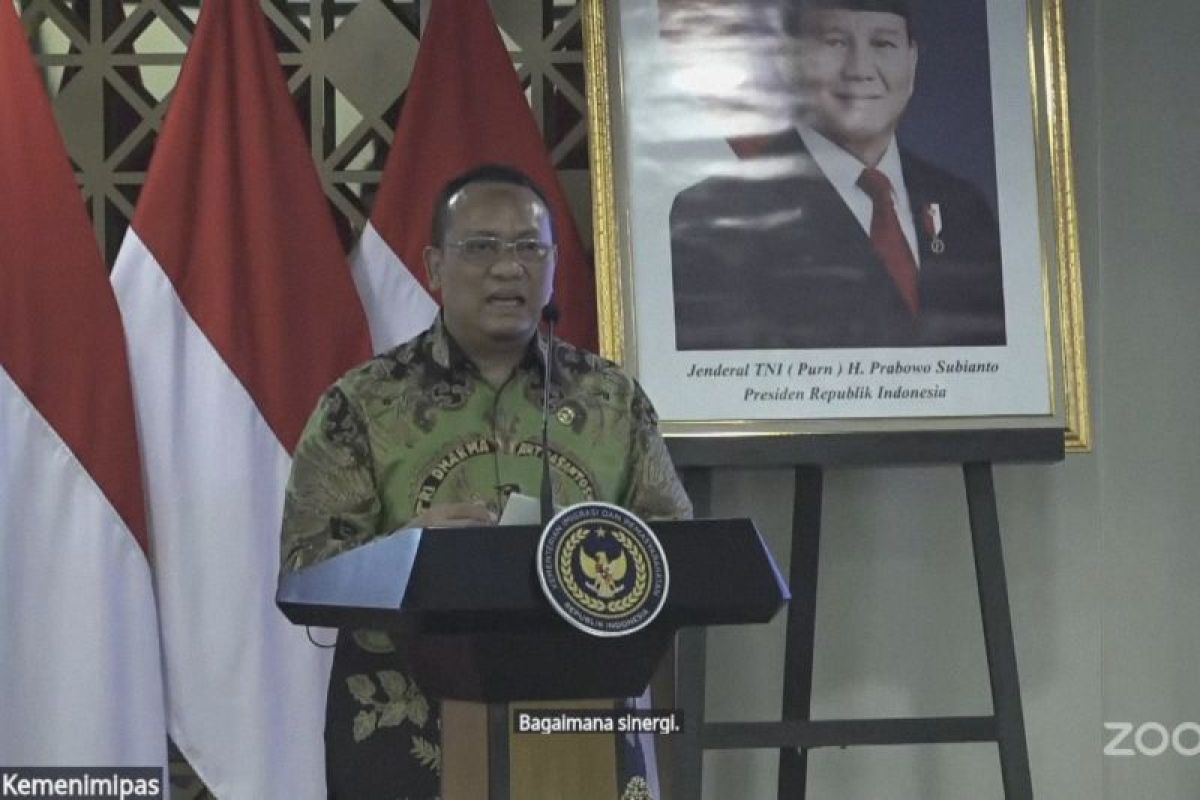
“We hope that the planning carried out by our colleagues in ministries and agencies in using their budgets going forward will start to consider elements of sustainability by adhering to ESG principles,” Nyoman said during the submission of the Audit Results Report to ministries under the coordination of the Coordinating Ministry for Law, Human Rights, Immigration, and Corrections, monitored online in Jakarta on Monday.
He explained that ESG principles encompass environmental, social, and good governance aspects, ensuring that every government programme not only produces administrative outputs but also delivers long-term impacts for national development.
The BPK noted that Indonesia’s Human Development Index currently stands at 75.9 with a Gini ratio of around 0.375. Although showing a positive trend, these indicators still require improvement, particularly in education, health, and income equality, to support the target of Indonesia becoming a developed nation by 2045.
“So, ladies and gentlemen, in responding to and conveying the President’s message that we must be beneficial to the people, one way is to start from planning. Through to implementation and evaluation, state financial management elements must already be incorporated,” said Nyoman.
He added that implementing ESG from the planning stage would help ensure every rupiah of the state budget is used effectively, transparently, and provides broader benefits to the public.