
BPK Urges KPK to Refine Management of Seized Assets
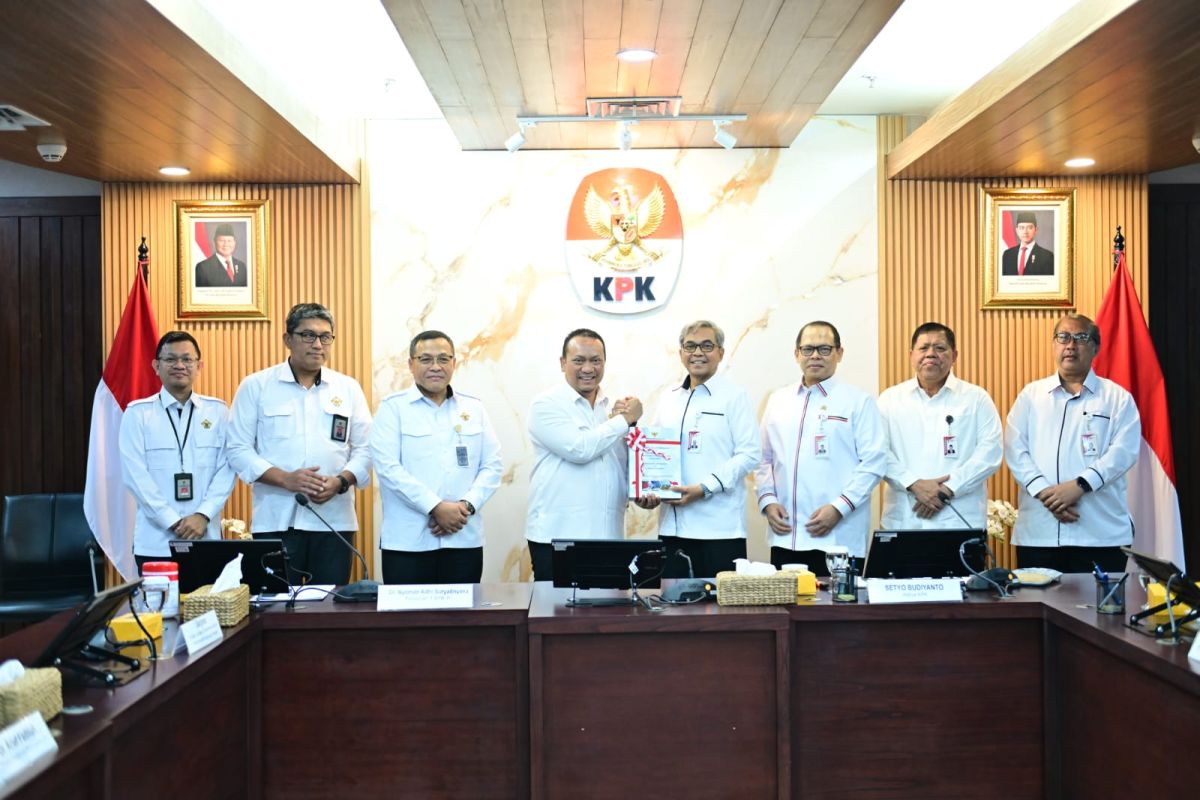
Jakarta (ANTARA) - Member I of the Audit Board of Indonesia (BPK) Nyoman Adhi Suryadnyana stated that his institution found several areas requiring improvement in the Corruption Eradication Commission’s (KPK) 2025 financial report, particularly in the management of seized assets and fixed assets, namely equipment and machinery.
“The management of state assets cannot be viewed solely from the aspect of recording in financial reports. Assets originating from public funds must be secured, utilised optimally, and support the implementation of the organisation’s duties and functions,” he said when submitting the Audit Results Report (LHP) on the KPK’s 2025 financial report, according to an official statement, Jakarta, Wednesday.
Therefore, he continued, the BPK encourages the KPK to make improvements in the management and administration of these assets.
On the other hand, the BPK gave an unqualified opinion (WTP) to the KPK’s 2025 financial report. This indicates that the financial report has been presented fairly, in all material respects, taking into account compliance with Government Accounting Standards (SAP), adequacy of disclosure, compliance with statutory regulations, and the effectiveness of the internal control system.
His institution also appreciated the KPK’s timeliness in submitting the 2025 financial report to the BPK.
According to him, this timeliness is not merely an administrative aspect, but reflects an organisational culture that is disciplined, administratively orderly, and committed to accountability. This condition also supports the implementation of audits more effectively, so that the quality of state financial accountability can continue to be improved.
“These various achievements show that improving organisational governance must go hand in hand with improving the quality of performance and services. BPK audits are not only directed at identifying areas that still require improvement, but also at recognising good practices that can be maintained and developed by the audited entity,” said Member I of the BPK.
In addition to the audit results, the BPK also monitors the progress of follow-up actions on audit recommendations.
As of the first semester of 2026, of the 408 recommendations given, the KPK has followed up on 378 recommendations or 94.36 percent in accordance with the recommendations, with a value reaching Rp52.99 billion.
“This achievement deserves appreciation because it shows efforts to improve the internal control system, work procedures, asset management, procurement, compliance, and the quality of financial reporting,” he said.
Furthermore, the BPK also appreciated the improvement in the quality of Bureaucratic Reform (RB) within the KPK. This improvement brought the KPK from the predicate “Very Good” to the predicate “Satisfactory”, which is considered to show improvements in the quality of management, accountability, and organisational services.
For Nyoman, the achievement of improving the quality of RB at the KPK is one of the good practices that should be maintained and developed in order to improve the quality of governance and organisational performance.
Member I of the BPK reminded that improving the quality of governance must continue to be accompanied by the responsible use of technology.
“Artificial intelligence can help the government analyse data, detect risks earlier, strengthen internal controls, and improve the quality of public services. However, technology must still be positioned as a tool to strengthen the role of humans, because government governance ultimately depends on the quality of leadership, integrity, ethics, and responsibility of state administrators,” said Nyoman.