
BPK Strengthens Preservation of 32 Intangible Cultural Heritages in Maluku
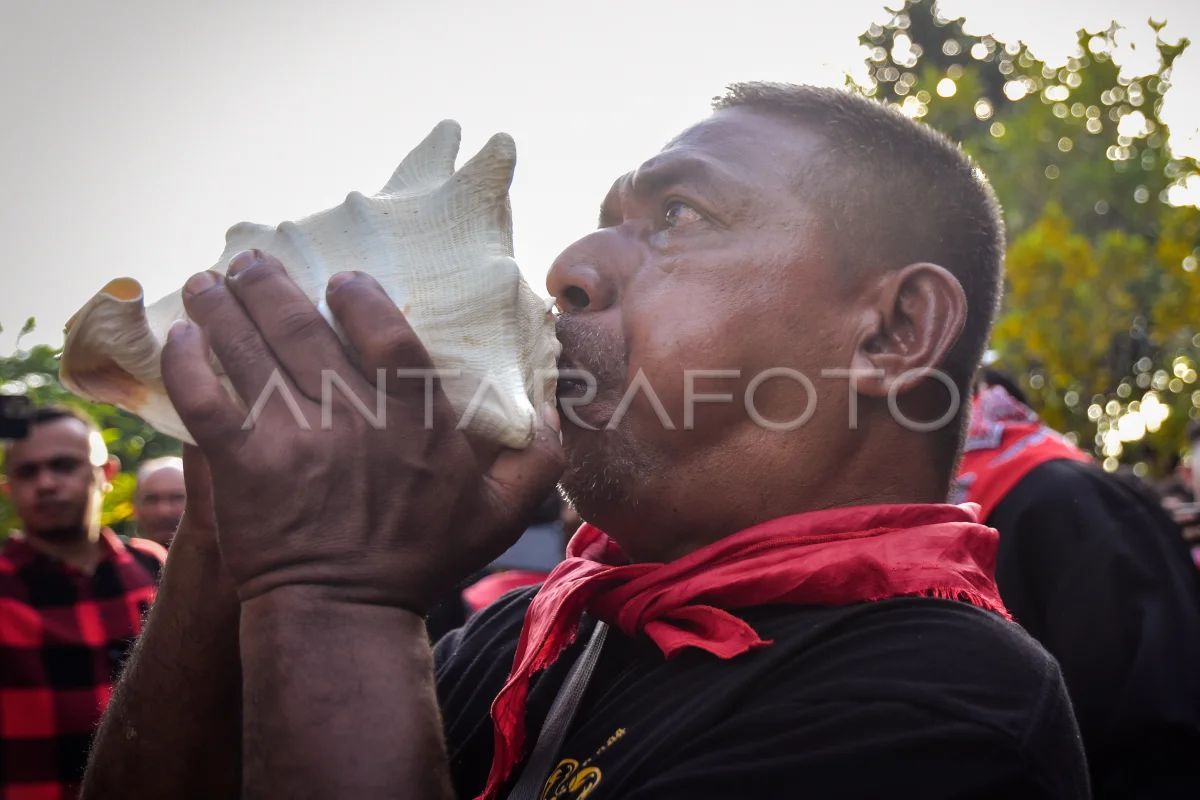
The Maluku Cultural Preservation Centre (BPK) is strengthening efforts to preserve 32 Indonesian Intangible Cultural Heritages that have been designated in Maluku Province by enhancing cultural literacy, involving the younger generation, and developing a creative economy based on local culture.
Pamong Budaya Ahli Muda at the Maluku Cultural Preservation Centre, Mezak Wakim, stated in Ambon on Monday that the biggest challenge in cultural preservation in the modernisation era is ensuring that cultural values remain known, understood, and passed on to the next generation.
“The challenge in the modernisation era is how we encourage culture-based literacy in schools, universities, and the general public. Furthermore, how we encourage the younger generation to become direct actors in preserving regional culture,” he said.
He explained that Maluku currently has 32 Indonesian Intangible Cultural Heritages spread across various districts and cities, ranging from traditions, arts, and customary rituals to traditional knowledge that have been designated as national cultural heritage.
According to him, preservation is not only carried out through documentation and protection but also through the utilisation of culture as part of community life so that it remains relevant amidst the times.
Therefore, the Maluku BPK continues to strengthen education and cultural socialisation programmes for students, university students, communities, and the wider public to increase awareness of the importance of cultural heritage.
In addition to strengthening cultural literacy, the centre is also encouraging the use of cultural values to support community economic development.
“We will make the Papalele concept a specific branding for the development of MSMEs in Maluku. The values contained in this tradition are very strong, ranging from work spirit, togetherness, to community economic independence,” he said.
Mezak added that the Maluku BPK also routinely organises an annual cultural festival as a platform for promoting and preserving the region’s cultural wealth.
The festival showcases various cultural heritages from different regions in Maluku, from traditional dances and regional music to customary rituals and cultural products that form the identity of the local community.
“We have a cultural festival held every year to exhibit the diversity of Maluku’s culture so that it becomes more widely known, both nationally and internationally,” he said.
He hopes that these various programmes can strengthen the preservation efforts for the 32 Indonesian Intangible Cultural Heritages in Maluku while increasing the participation of the younger generation in safeguarding and developing cultural heritage as a regional and national identity.
Based on data from the Maluku BPK, the 32 Indonesian Intangible Cultural Heritages that have been designated in the province are spread across several areas, including Ambon City, Tual City, Central Maluku Regency, Southeast Maluku, Tanimbar Islands, West Seram, East Seram, Buru, and Southwest Maluku.
Ambon City has five Indonesian Intangible Cultural Heritages, namely the Deroa Tole Dance, Cuci Negeri Soya, Lenso Dance, Papalele, and Tabeli.