
BPK Reveals Rp61.48 Trillion Fiscal Risk from Electricity Subsidies
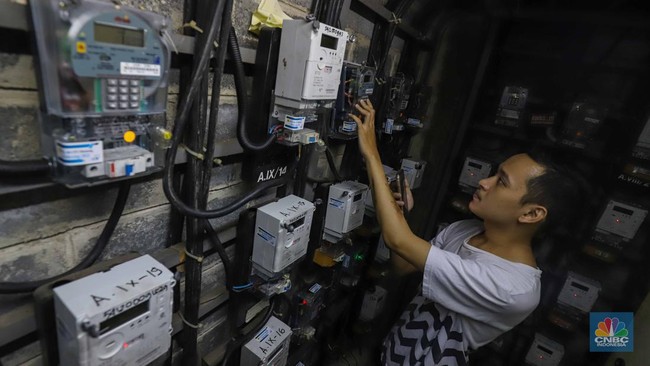
Jakarta, CNBC Indonesia — Indonesia’s Audit Board (BPK) has identified potential waste in electricity subsidies that could increase the government’s fiscal risk by up to Rp61.48 trillion.
The issue relates to the lack of clarity over who qualifies for electricity subsidies and the failure to adjust non-subsidised electricity tariffs for several customer groups.
Citing its first-semester 2026 audit summary (IHPS), BPK said the potential inefficiency stemmed in part from the government’s failure to determine which population deciles in the National Single Social and Economic Data (DTSEN) are eligible for electricity subsidies.
The government has also not introduced tariff adjustments for at least seven non-subsidised tariff categories.
“According to BPK’s calculations, adjusting electricity tariffs could potentially save the state Rp8.94 trillion,” BPK said in its first-semester 2026 audit summary, cited on Tuesday (13 October 2026).
BPK also found that state electricity company PT PLN had not made optimal efforts to reduce the basic cost of electricity supply (BPPTL). These included failing to ensure long-term availability of primary energy supplies, such as coal and gas; paying independent power producers (IPPs) Rp15.39 trillion in 2025 under take-or-pay contracts even though the electricity was not fully used; and protracted completion of power projects, resulting in Rp8.59 trillion in costs to complete.
“These three issues are recurring problems that BPK has highlighted in previous audit reports,” the board said.
BPK said the problems could result in electricity subsidy and compensation spending not reaching the intended recipients, while inefficiencies in the cost of supplying electricity would burden state finances.
In response to the findings, BPK recommended that PLN’s directors coordinate with the Ministry of Finance, the Ministry of Energy and Mineral Resources (ESDM) and other relevant ministries and agencies.
The coordination should address the impact of not adjusting non-subsidised electricity tariffs on the government’s growing fiscal burden, while establishing the database to be used as the basis for granting household electricity subsidies.
BPK also asked PLN’s directors to identify and mitigate risks to improve the efficiency of electricity supply costs, including those related to primary energy supplies, purchases of electricity from IPPs and the management of power infrastructure.
Source: jawawa.id (https://jawawa.id/newsitem/bpk-reveals-rp61-48-trillion-fiscal-risk-from-electricity-subsidies-1791870644)
Originally published by CNBC Indonesia (https://www.cnbcindonesia.com/news/20261013103110-4-775631/bpk-ungkap-risiko-fiskal-subsidi-listrik-rp6148-triliun), translated from Indonesian