
BPK: Infrastructure governance must take economic considerations into account
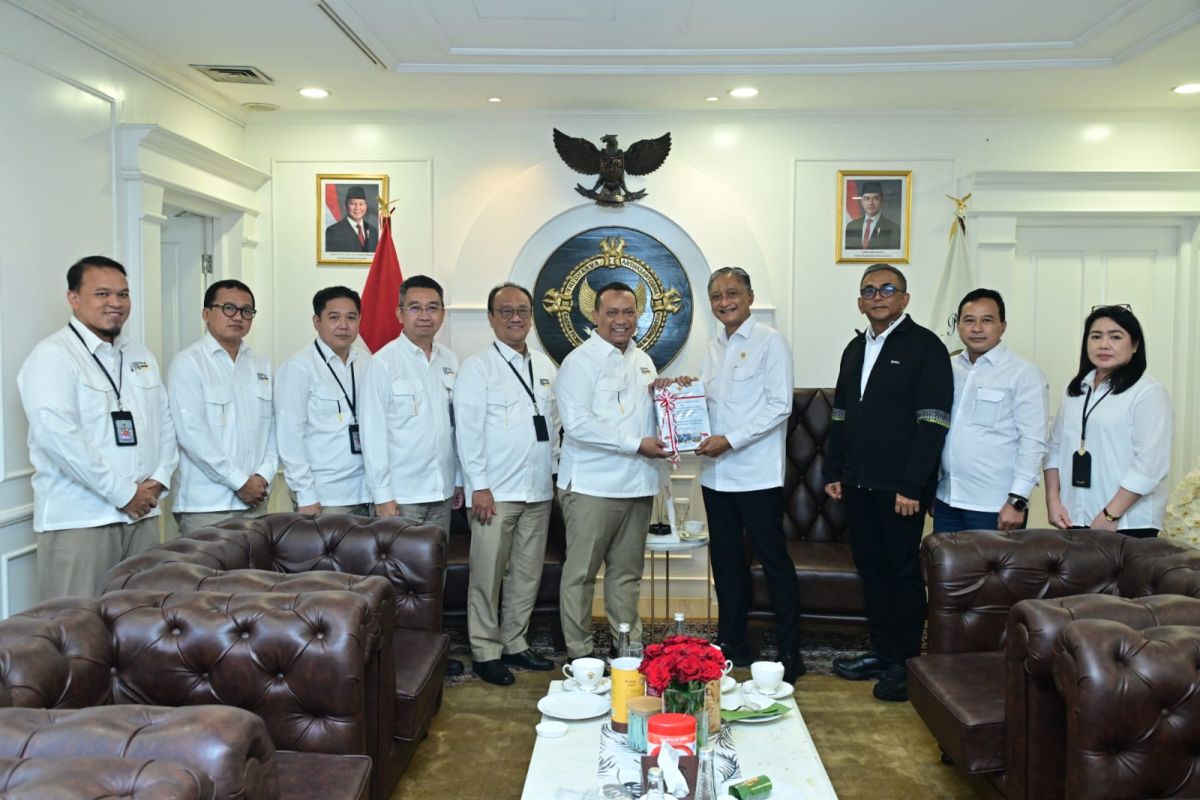
Jakarta (ANTARA) – Nyoman Adhi Suryadnyana, acting Member IV of the Audit Board of Indonesia (BPK), said improvements to infrastructure governance should take economic, social and environmental considerations, as well as sustainability, into account.
He said toll-road management should therefore go beyond investment viability and also consider the efficient use of public finances and the interests of road users, according to a statement issued by BPK in Jakarta on Friday.
“Development is now measured not only by economic growth, but also by a balance between environmental and social factors, and good governance,” Nyoman said at the handover of the Compliance Audit Report on Toll-Road Concessions through the third quarter of 2025. The audit covered the Directorate General of Highways, the Directorate General of Infrastructure Financing at the Ministry of Public Works, the ministry’s Toll Road Regulatory Agency and other related institutions.
To support improvements, BPK recommended that stakeholders evaluate and coordinate on revisions to toll-road companies’ business plans, including ensuring that calculations for investment, tariffs and concession periods are reasonable.
The measures are expected to strengthen governance certainty, anticipate risks to state finances and ensure toll-road concessions are managed sustainably.
BPK is also continuing to develop an audit approach that uses research, data analysis and artificial intelligence through its AI-Augmented Foresight Audit (AIFA).
“AIFA’s added value is not only better findings, but also sharper, evidence-based and forward-looking recommendations that have a tangible impact on the public,” the acting Member IV said.
By following up on recommendations and strengthening cooperation between BPK, the Ministry of Public Works and other relevant agencies, toll-road management is expected to become more accountable and sustainable while delivering optimal benefits to the public.
“BPK encourages accountable and sustainable toll-road management to ensure infrastructure delivers optimal benefits to the public,” he said.
The compliance audit of toll-road concessions through the third quarter of 2025 sampled 14 toll-road sections in seven provinces, focusing on operations and road preservation.
The findings provided a basis for recommendations to improve business planning, review tariffs and concession periods, and refine compensation policies, so that toll-road concessions are managed carefully, transparently and in accordance with regulations.