
BPK Highlights Crucial Aspects in Regional Transfer Fund Management
The government needs to refine the General Allocation Fund (DAU) allocation mechanism, particularly for regions with negative fiscal gaps, so that the noble goal of eroding financial inequality between regions can be realised.
The Audit Board of Indonesia (BPK) has found several crucial aspects in the management of Transfer to Regions (TKD) that require attention in the Audit Results Report (LHP) on the 2025 Central Government Financial Report (LKPP).
One of these findings concerns the 2025 DAU allocation, which does not yet fully reflect the fiscal gap conditions of the regions.
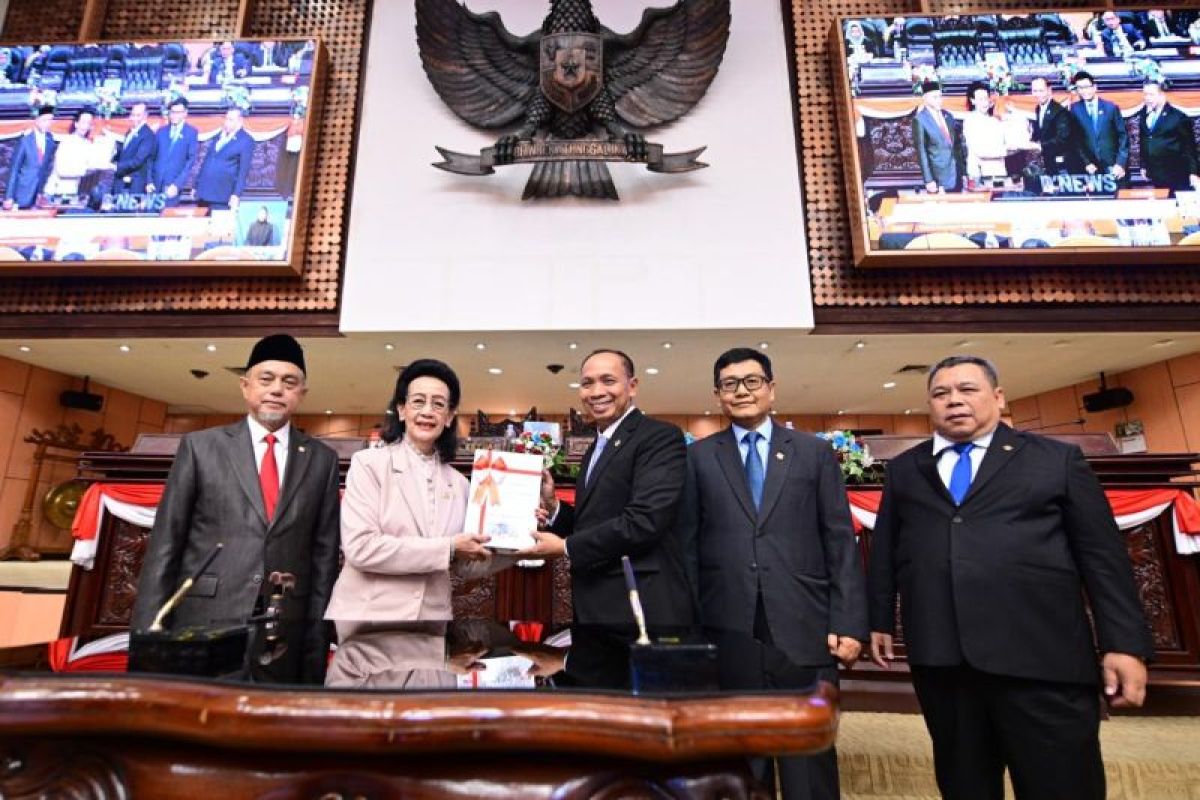
“Therefore, the government needs to refine the DAU allocation mechanism, particularly for regions with negative fiscal gaps, so that the noble goal of eroding financial inequality between regions can be realised tangibly and optimally,” said BPK Vice Chairman Budi Prijono in a speech during the submission of the BPK’s LHP on the 2025 LKPP to the Regional Representative Council (DPD), according to an official statement in Jakarta on Monday.
The BPK itself submitted the 2025 LKPP LHP administratively to the DPD on 26 May 2026 and presented it at the DPR Plenary Meeting on 30 June 2026.
According to Budi, the LKPP not only represents the financial management performance of the central government but also presents a picture of how national fiscal policy is translated into tangible programmes and funding transfers that reach all corners of the country.
The audit of the LKPP aims to see the extent to which state financial management is able to support equitable development, strengthen regional fiscal capacity, and improve community welfare throughout Indonesia.
Amid increasingly dynamic development financing needs and increasingly limited fiscal space, he continued, the management of the State Budget (APBN) and Regional Budgets (APBD) is required to be more effective, efficient, transparent, and accountable.
Regional governments are expected to improve spending quality (spending better) by directing available resources to programmes that provide direct benefits to the community, improve the quality of public services, and encourage sustainable regional economic growth.
Based on the audit results of the 2025 LKPP, the BPK issued an Unqualified Opinion (WTP). This achievement was supported by WTP opinions on 97 financial reports of ministries/institutions and one Financial Report of the State General Treasurer (LK BUN).
“Although one institution received a Qualified Opinion (WDP), this did not have a material impact on the fairness of the 2025 LKPP as a whole,” he said.