
BPK Finds Rp2.7 Trillion in Indonesia Smart College Cards Paid to Deceased Students
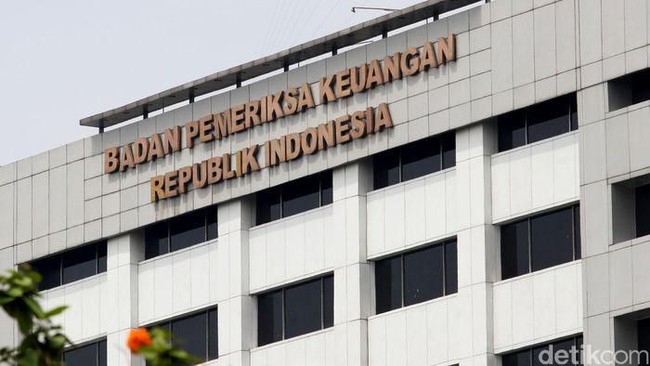
Jakarta, CNBC Indonesia – The Supreme Audit Agency (BPK) found that Indonesia Smart College Card (KIP-K) assistance had been disbursed to 320 recipients who had died, totalling Rp2.7 billion, at the Ministry of Higher Education, Science and Technology.
The finding was included in the Summary of Semester Audit Results (IHPS) for the first half of 2026. According to a document obtained by CNBC Indonesia, BPK identified 93 cases of spending that did not comply with regulations, including the KIP-K disbursements. The value of non-compliant spending reached Rp355.16 billion across 53 ministries and agencies.
“BPK recommends that the heads of the relevant ministries and agencies coordinate with the parties concerned to address data-recording problems and recover overpayments by depositing the funds into the state treasury,” the IHPS document for the first half of 2026 said. The document was cited on Tuesday (14 October 2026).
BPK also found that the management of social assistance under the Indonesia Smart Programme (PIP) at the Ministry of Primary and Secondary Education was inadequate. This resulted in excess disbursements to 19,331 recipients totalling Rp12.37 billion.
The excess payments included recipients who also received PIP assistance from the Ministry of Religious Affairs, as well as recipients flagged by local governments as ineligible because they were receiving similar assistance.
BPK said there was also a potential overpayment of PIP social assistance by the Ministry of Primary and Secondary Education to 86,337 recipients, amounting to Rp80.75 billion. These recipients had mismatched or inactive National Identity Numbers (NIK), or were identified as duplicates.
It also cited 5.3 million recipients listed in the National Single Social and Economic Data (DTSEN) in deciles 6 to 10, or with no decile data, involving Rp3.83 trillion.
In addition, BPK said PIP funds at the Ministry of Primary and Secondary Education had not been activated and therefore could not be used optimally by 627,314 recipients. The funds totalled Rp535.46 billion.
BPK made several recommendations to Primary and Secondary Education Minister Abdul Mu’ti. First, it said the ministry should review the technical guidelines for implementing PIP, including setting the period for drawing on education data when verifying and validating recipients.
Second, it recommended using the National Single Social and Economic Data, including its decile classifications, as a data source. Third, it called for a policy allowing flexibility in activating PIP recipients’ accounts.
Fourth, BPK recommended reviewing agreements with distributing banks to include, among other things, sanctions for failure to fulfil obligations and a deadline for final reporting. This would help determine the final amount disbursed and the value of assistance to be returned to the state treasury.
Source: jawawa.id (https://jawawa.id/newsitem/bpk-finds-rp2-7-trillion-in-indonesia-smart-college-cards-paid-to-deceased-students-1791859838)
Originally published by CNBC Indonesia (https://www.cnbcindonesia.com/news/20261013082706-4-775568/bpk-temukan-rp27-m-kartu-indonesia-pintar-diberi-ke-mahasiswa-wafat), translated from Indonesian