
BPK examines waste-to-energy utilisation
The Audit Board of Indonesia (BPK) is examining the utilisation of waste as an energy source through a preliminary performance audit of waste management, which forms part of the 2026 National Thematic Audit on Energy Security.
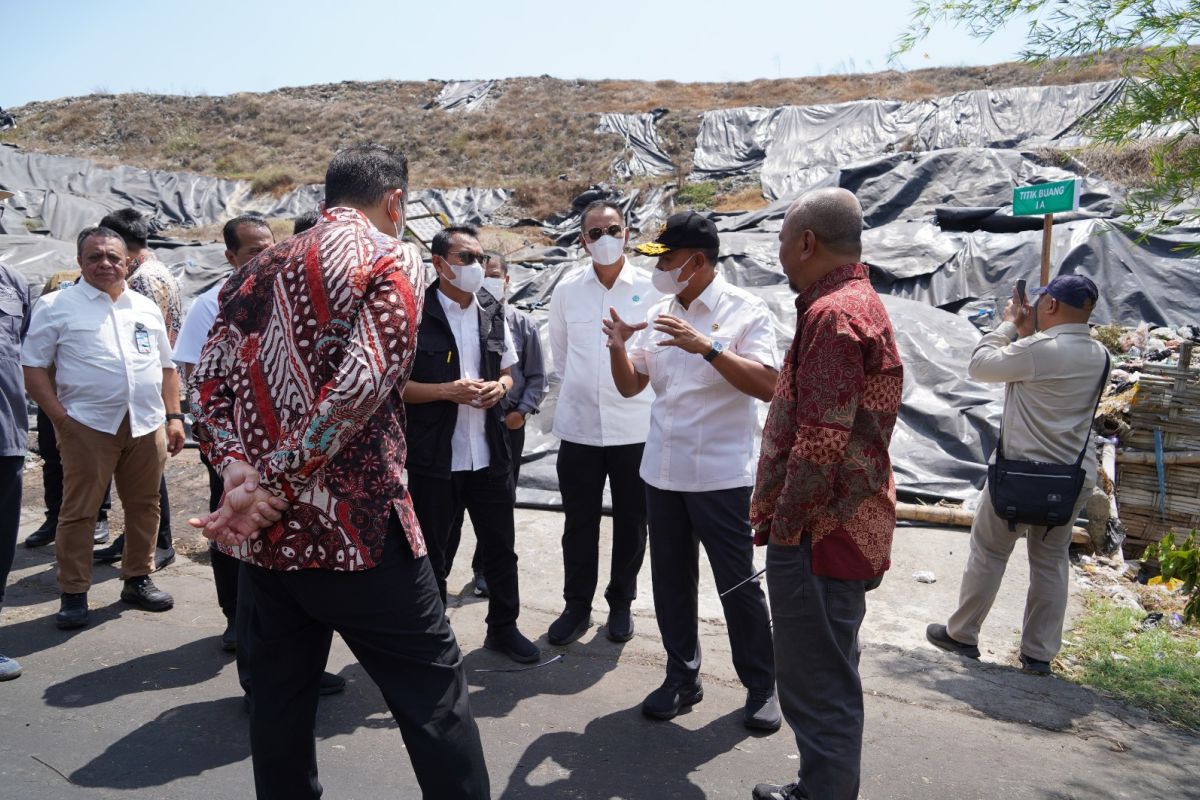
“This step is taken to obtain a comprehensive picture of the effectiveness of waste management and its contribution to supporting national energy security,” said BPK Deputy Chairman Budi Prijono during a visit to the Benowo Final Processing Site (TPA) in Surabaya, East Java, which is the location of the Waste-to-Energy Processing (PSEL) facility, as quoted from an official BPK statement in Jakarta on Friday.
Through the visit, BPK conducted an initial assessment of the business processes, governance, business feasibility, as well as various challenges and obstacles in utilising waste as an energy source.
Budi Prijono explained that the field visit is an important stage in the preliminary performance audit to obtain a comprehensive understanding of waste management and its utilisation as electrical energy.
“We want to see first-hand the business process of waste management, including the utilisation of waste into electrical energy, business feasibility, as well as its challenges and obstacles,” he said.
According to him, waste management is closely linked to efforts to strengthen national energy security. Therefore, he continued, the audit is not only focused on waste management aspects, but also on the extent to which the utilisation of waste as an energy source can be implemented effectively, efficiently, accountably, and sustainably.
The Benowo landfill is one of the objects of study because it has implemented the PSEL programme run by the Surabaya City Government together with PT Sumber Organik since 2021, based on Presidential Regulation Number 35 of 2018.
In its operations, the facility manages around 1,600 tonnes of waste per day and generates 10.65 megawatts (MW) of electricity through gasification technology and a landfill gas power plant. This practice serves as a reference for BPK to obtain an overview of the effectiveness, efficiency, governance, and implementation challenges of waste-to-energy in Indonesia.
The audit of waste management is part of the National Thematic Audit on Energy Security, which covers the central government, regional governments, and state-owned enterprises (BUMN).
Through the audit, BPK will assess whether energy security policies and programme implementation have been carried out effectively, efficiently, in accordance with statutory regulations, and whether they support the achievement of national energy security targets as stipulated in the 2025-2029 National Medium-Term Development Plan (RPJMN).
After the preliminary audit stage, BPK will proceed with a detailed performance audit of waste management, including its utilisation as electrical energy. The audit is expected to provide a more comprehensive picture of the effectiveness of national energy security policies and governance, while identifying various challenges and opportunities for improvement.
“Through this national thematic audit, BPK hopes to provide constructive recommendations to the government to improve the effectiveness, efficiency, and accountability of energy security management. In the context of waste management, this audit is also expected to encourage the optimisation of waste utilisation as an energy source while still paying attention to sustainability and environmental conservation aspects,” he said.
Source: jawawa.id (https://jawawa.id/newsitem/bpk-examines-waste-to-energy-utilisation-1787892751)
Originally published by Antara (Indonesian) (https://www.antaranews.com/berita/5714848/bpk-dalami-soal-pemanfaatan-sampah-sebagai-sumber-energi), translated from Indonesian