
BPK Chair: Mangrove Ecosystem Management a Strategic Global Issue
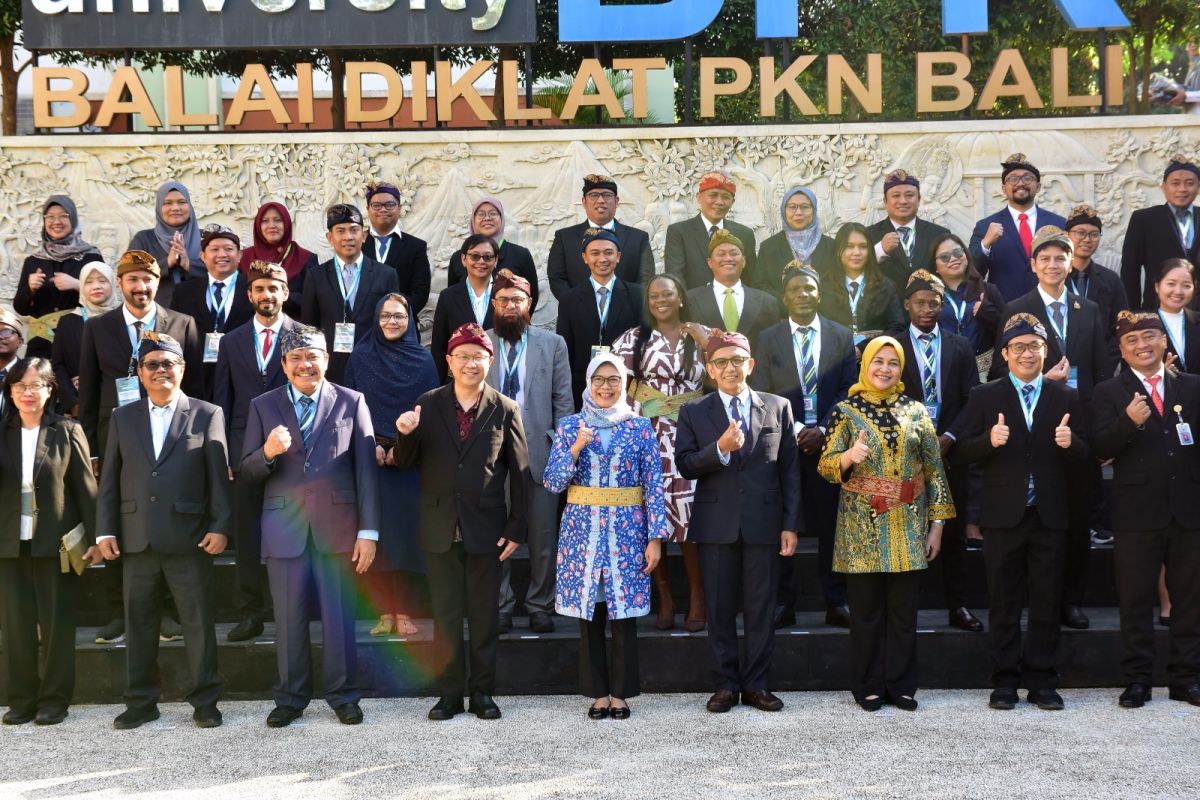
The management of mangrove ecosystems and coastal areas plays a vital role in preserving biodiversity, enhancing resilience to climate change, protecting coastal communities, and supporting public welfare through the development of the blue economy, according to the Chair of the Supreme Audit Agency (BPK), Isma Yatun. She made the remarks while opening the Hands-on Audit Training in the Blue Economy: Mangrove and Coastal Area Audit at the State Financial Audit Training Centre in Bali. Isma Yatun stated that the management of mangrove ecosystems and coastal areas is a strategic issue of global concern. In this context, Supreme Audit Institutions (SAI) have an important role in ensuring public sector governance is accountable, transparent, and sustainable. She explained that the hands-on audit training demonstrates BPK’s commitment to supporting the capacity development of auditors at the international level while strengthening collaboration among SAIs. Global environmental challenges cannot be resolved by a single country or institution alone, but require cooperation, the exchange of experiences, and shared learning. ‘I invite all participants to make the most of this opportunity, engage in active discussions, share experiences, and build sustainable professional networks. I hope this training will not only enhance participants’ technical competence but also strengthen our collective contribution to realising accountable governance and sustainable development,’ she said. The training, which runs from 29 June to 17 July 2026, is conducted using a blended learning approach that integrates self-learning, distance learning, and face-to-face learning stages. During the training, participants receive instruction on the concept of the blue economy, mangrove and coastal area management, spatial technology-based auditing, the use of drones in inspections, the preparation of Audit Finding Matrices, root cause analysis, and the formulation of audit recommendations aimed at increasing audit impact. The programme is attended by representatives of SAIs from various countries, BPK auditors, and participants from relevant ministries. It also involves resource persons from BPK, the International Organization of Supreme Audit Institutions Working Group on Environmental Auditing, ministries and agencies, academics, practitioners, and other stakeholders to enrich participants’ perspectives on environmental governance, climate change, and blue economy auditing.