
BPK Awards Unqualified Opinion to Health and Culture Ministries, Urges Follow-Up on Recommendations
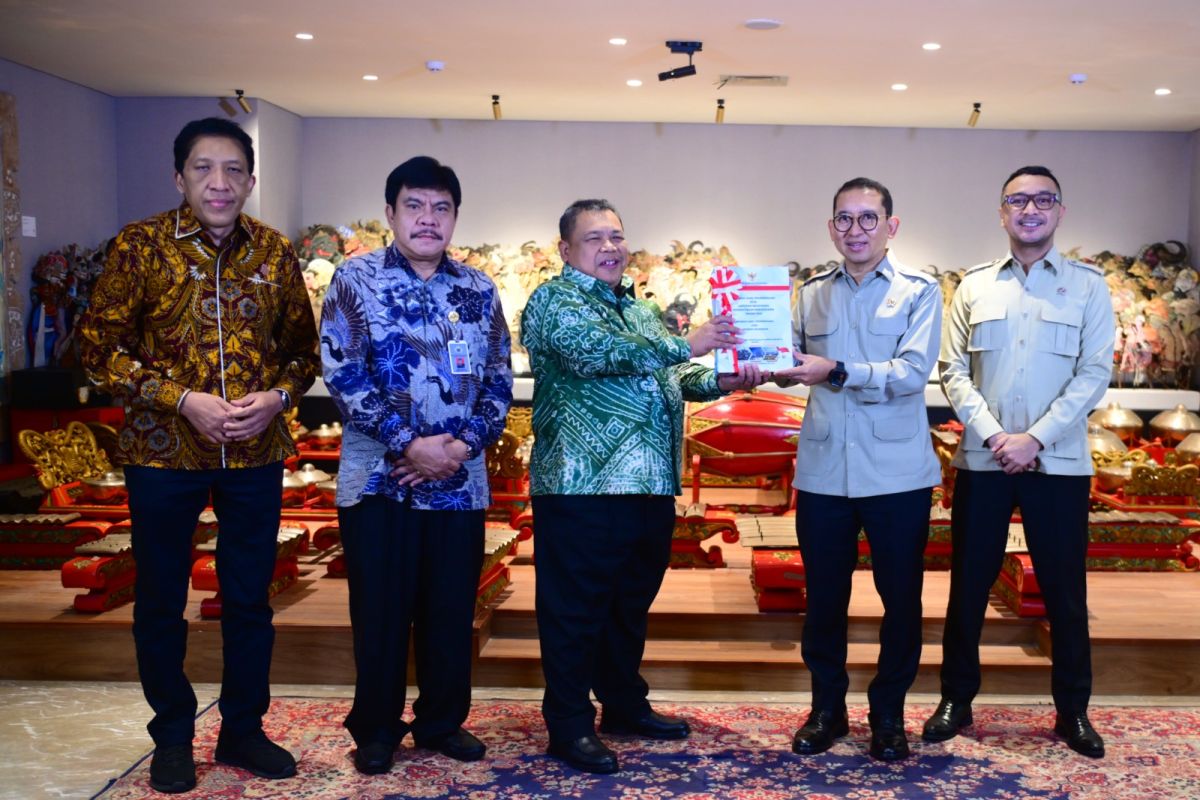
Jakarta (ANTARA) - The Audit Board of Indonesia (BPK) has granted an Unqualified Opinion (WTP) on the 2025 Financial Reports (LK) of the Ministry of Health (Kemenkes), the management of Foreign Loans and Grants (PHLN), and the Ministry of Culture (Kemenbud).
“The WTP opinion is not the end of the governance improvement process. BPK has still identified several weaknesses in the internal control system and non-compliance with laws and regulations that need to be addressed immediately,” said BPK Member VI Fathan Subchi during the handover of the Audit Result Report (LHP) in Jakarta on Thursday.
He appreciated the efforts of both ministries in implementing national priority programmes. The Ministry of Health saw most of its National Priority (PN) indicators in the health sector meet or exceed targets, while the Ministry of Culture demonstrated good performance in cultural advancement programmes, digital culture development, heritage preservation, and strengthening the national arts and film ecosystem.
Fathan emphasised that maintaining the WTP opinion must be accompanied by a strong commitment to follow up on audit recommendations. He noted that synergy between ministry leadership, the Government Internal Supervisory Apparatus (APIP), and all work units is a key factor in building higher-quality, accountable state financial governance oriented towards improving public services.
“Audit recommendations are instruments for improvement to strengthen organisational governance, enhance the quality of state financial management, and prevent the recurrence of similar issues in the future,” he stated.
He stressed that financial report audits aim not only to provide an opinion on the fairness of the financial statement presentation but also to produce recommendations that add value by improving governance, strengthening internal control systems, and ensuring compliance with laws and regulations. “Through these recommendations, each entity is expected to make continuous improvements so that state financial management becomes more effective, efficient, transparent, and accountable,” Fathan said.