
BPJS, Queues, and Fading Empathy
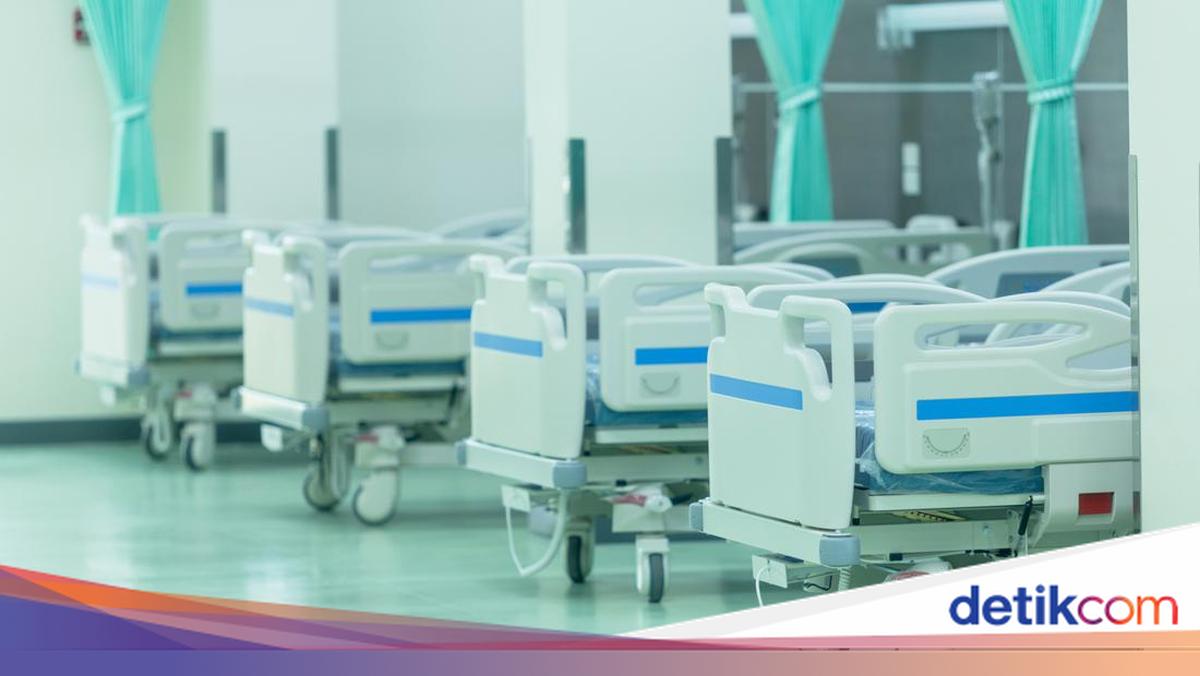
Eight hours. For some, that may be just a measure of time. But for a family waiting for their loved one to get a hospital bed, eight hours can feel like a lifetime. When the patient who complained about the long wait subsequently died, those eight hours became the crux of a heated debate. Some blamed BPJS Kesehatan, others the hospital, and some condemned healthcare workers after cynical comments surfaced on social media. Amid the crossfire, one thing must not be lost: empathy.
There is nothing more painful for a family than losing a loved one. Behind a brief post about the lengthy wait for a treatment room lies fear, anxiety, hope, and the desperate wish for help to arrive quickly. For this reason, the family certainly has the right to an honest explanation of what actually happened. At the same time, however, we must not rush to conclusions. The link between the length of the queue and the cause of the patient’s death must be proven through an objective medical investigation. Drawing conclusions based solely on fragments of information will not help the family find justice, nor will it help improve healthcare services.
The experience of accompanying family members and relatives undergoing treatment in the Emergency Department (ED) has taught me a valuable lesson. What I witnessed was that patients are prioritised based on the level of urgency, or the triage system, not on their BPJS status, class of care, or social background. The most critically ill patients are attended to first because that is the fundamental principle of emergency care. This understanding prevents me from hastily blaming BPJS or the hospital simply because someone had to wait. Yet, this understanding does not erase the reality that waiting for hours without certainty and adequate communication is an agonising experience for both the patient and their family.
In healthcare, communication is not merely a supplement to medical treatment. It is an integral part of the service itself. An honest explanation of the patient’s condition, the reason for delays, or the limitations of treatment rooms is often far more calming than leaving a family to drown in uncertainty. What is even more concerning is what happened afterwards. The digital space turned into an arena of mutual blame. Some members of the public condemned all healthcare workers. Conversely, comments allegedly from healthcare workers appeared, seemingly belittling patients. Whatever perspective one takes, human sensitivity must not be lost. The healthcare profession is built not only on science but also on compassion.
On the other hand, the public also needs to understand that doctors, nurses, and healthcare workers operate within a system that has faced classic problems for years: limited bed capacity, high patient volumes, uneven distribution of health workers, and continuous financial pressure. BPJS Kesehatan data shows these challenges are real. Each month, there is still a gap of approximately Rp2 trillion between premium revenue and service costs. Tens of millions of participants are also recorded as inactive due to premium arrears. The government has indeed prepared additional budget allocations to sustain the National Health Insurance (JKN) programme. However, a cash injection does not automatically reduce patient queues, increase inpatient room capacity, or improve communication on the front lines of service.
Nevertheless, we must also be fair to BPJS Kesehatan. Amid the torrent of criticism, a fact often escapes attention. Many Indonesian citizens living abroad actually consider the JKN system to provide far more affordable protection compared to healthcare services in several developed countries. The cost of ambulances, emergency services, and inpatient care in some nations can reach tens of millions of rupiah, often leaving patients with remaining bills even if they have insurance. In contrast, millions of BPJS participants have undergone major surgeries, dialysis, chemotherapy, and treatment for chronic diseases without having to sell their homes or fall into debt.
For this reason, I disagree with positioning BPJS as the source of all problems. JKN is actually one of the state’s greatest achievements in providing universal health coverage. What needs to be fixed is not the grand vision, but the quality of its implementation. Slow service, limited hospital capacity, poor communication, and suboptimal governance are homework that must be addressed immediately. This case should be a momentum to evaluate the entire healthcare chain. Has the triage system functioned properly? Can hospital capacity keep pace with the surge in patients? Is the distribution of healthcare workers sufficiently even? Has communication with patients and families been conducted openly, clearly, and humanely? And in this era of social media, is professional ethics being upheld when speaking in the digital space?
I hope the answers to these questions do not stop at finding who is most to blame. What is far more important is ensuring that such an incident does not happen again. Ultimately, healthcare is not measured solely by the sophistication of equipment, the size of the budget, or the grandeur of hospital buildings. What patients remember longest is how they were treated when they were at their most vulnerable. Behind every queue number is a person fighting to stay alive. Behind every waiting room is a family hoping their loved one can return home safely. BPJS is the state’s major endeavour to ensure every citizen has access to healthcare services.