
BPJS Ketenagakerjaan introduces online queuing feature via Lapak Asik
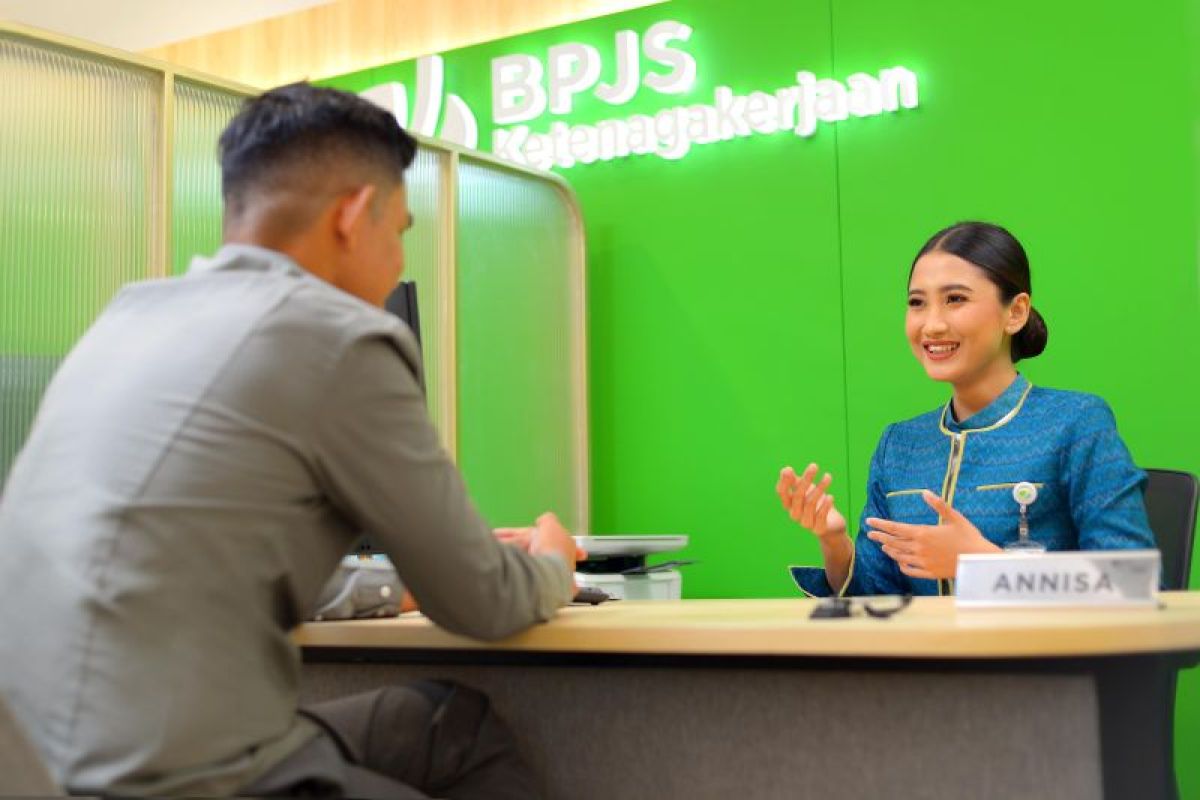
Jakarta (ANTARA) - BPJS Ketenagakerjaan is introducing an online queuing feature on the Contactless Service or Lapak Asik platform starting 1 April 2026 to make it easier for participants to submit claims without having to wait long at branch offices. Through this update, participants can access the online queue via the official Lapak Asik website at https://lapakasik.bpjsketenagakerjaan.go.id and select the service method according to their needs, either via video call or by visiting the branch office directly. For participants opting for in-person service, the system will display the attendance schedule or estimated service time, so participants no longer need to arrive at dawn or wait long at the branch office, according to a statement from BPJS Ketenagakerjaan in a release received in Jakarta on Thursday. BPJS Ketenagakerjaan stated that the schedule-based queuing system allows participants to plan their arrival more certainly, while also expanding access to more planned and equitable services. In addition to claim submissions, Lapak Asik can also be used by participants to submit questions, obtain programme information, and lodge complaints related to employment social security. BPJS Ketenagakerjaan noted that participants can register for the queue anytime and from anywhere via smartphone, then arrive according to the schedule to receive services more quickly and efficiently. Claim submissions via Lapak Asik can be done by accessing the official website, filling in data such as KPJ Number, NIK, email, bank account number, uploading required documents, up to receiving a queue barcode and service time estimation notification via registered email and phone number. Lapak Asik is BPJS Ketenagakerjaan’s digital service platform that enables participants to submit benefit claims such as Old Age Guarantee (JHT) or Death Benefit Guarantee (JKM) without having to visit the branch office directly. Through this service update, BPJS Ketenagakerjaan hopes that more participants will utilise digital channels for self-service, thereby making services faster, more transparent, and easily accessible to workers throughout Indonesia.