
BPJS Ketenagakerjaan boosts informal worker enrolment through 3R strategy
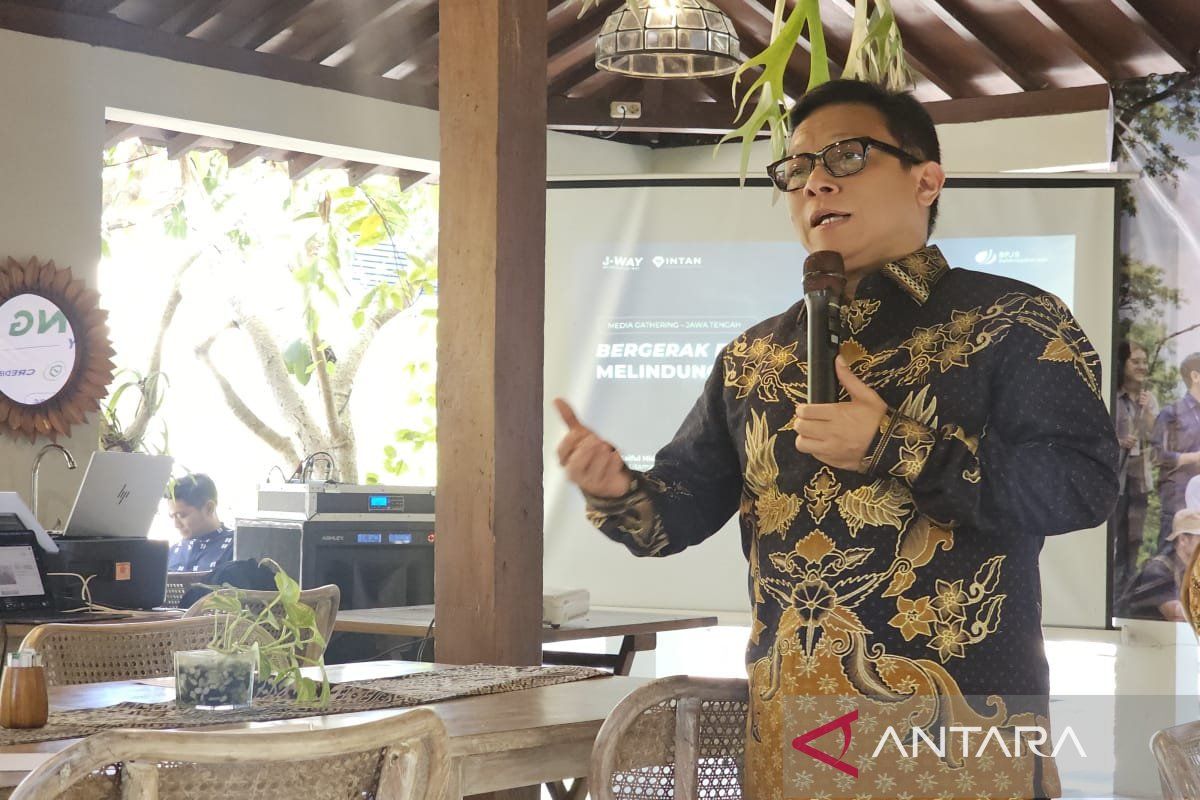
BPJS Ketenagakerjaan is targeting a 20 per cent increase in informal worker enrolment by the end of 2026 through the implementation of three main strategies encompassing reframing, relevance and resonance, or 3R.
President Director of BPJS Ketenagakerjaan Saiful Hidayat in Yogyakarta on Friday explained that the target was set to boost the achievement as of July 2026, which was recorded at only 17.44 per cent, or 13.56 million of the potential 77.8 million informal workers in Indonesia.
“We will ensure they are protected, so hopefully the 17 per cent figure can be achieved at 20 per cent this year. The challenge is literacy, strengthening education, and ensuring that worker protection information reaches the public more quickly, widely and reliably,” he said.
Saiful explained that informal workers consist of vulnerable worker groups who are sought to receive contribution support via regional budgets (APBD) or from corporate social responsibility (CSR) funds, as well as independent worker groups who are able to pay contributions independently.
“We are synergising with one application, so that online motorcycle taxi drivers no longer pay monthly contributions, but based on the money earned, for example a deduction of Rp800, with the hope that it is not burdensome and they remain protected,” said Saiful.
At the relevance stage, communication messages are tailored to the needs, risks and realities of the target audience without using rigid legal terminology.
“So the message must match the point of view or PoV of our target, no longer using regulatory language and legal articles, but shifting to language of empathy and emotional closeness, protection, calm and relatability,” he said.
In addition to the 3R strategy, BPJS Ketenagakerjaan is also optimising the PEKA programme (Economic Empowerment and Independence of Beneficiaries) through training facilities so that heirs can be empowered and economically independent.
Present at the event were Erfan Kurniawan, Deputy for Communication at BPJS Ketenagakerjaan, and Cahyaning Indriasari, Head of the BPJS Ketenagakerjaan Regional Office for Central Java and Yogyakarta.
Both also emphasised the importance of employment social security protection not only providing comfort for workers but also for the families of participants.
Cahyaning Indriasari noted that universal coverage for employment social security in Central Java had only reached 29.98 per cent and Yogyakarta 32.10 per cent, with remaining potential of 13.33 million workers in Central Java and 1.27 million in Yogyakarta.