
BPJS Kesehatan: Workers Can Register Fourth Child, Parents for National Health Insurance
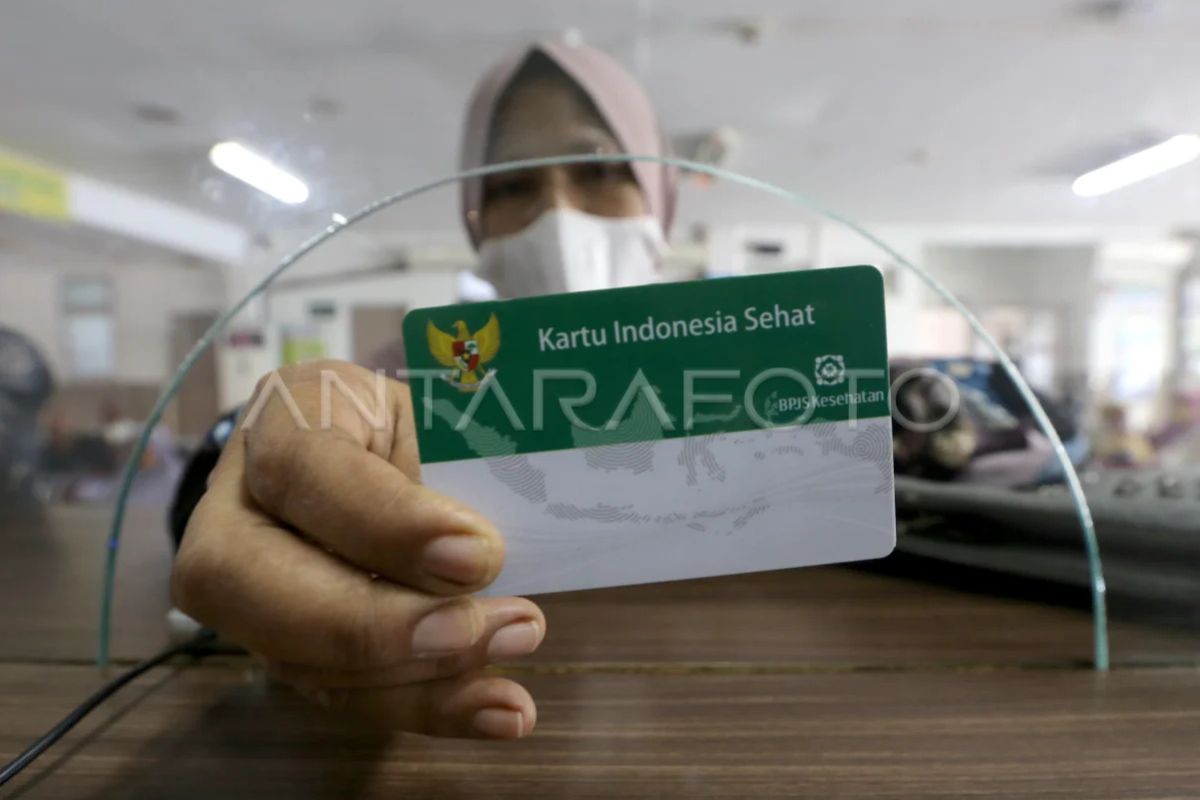
BPJS Kesehatan has stated that participants in the National Health Insurance (JKN) programme from the Wage-Earning Worker (PPU) segment can add family members, such as a fourth child, parents, and in-laws, beyond the five individuals covered by the premium. Head of Public Relations at BPJS Kesehatan, Rizzky Anugerah, explained in Jakarta on Friday that the JKN premium calculation for workers is 5 per cent, with 4 per cent borne by the employer and 1 per cent deducted from the PPU participant’s income. The PPU participant’s premium is calculated to cover five people: the worker, their spouse, and three children listed in the worker’s Family Card (KK). “The fourth, fifth, and subsequent children can be registered as other family members covered by the PPU participant. The monthly premium for one additional family member is 1 per cent of the worker’s income,” he said. He added that these additional family members must also be registered for the same class of care rights as the PPU participant covering them. “It is important to remember that if there are other family members already registered as JKN participants in the Non-Wage-Earning Worker (PBPU)/Independent segment and they have premium arrears, the arrears must be settled first before they can be registered as additional family members of the worker,” he stated. Several requirements must be attached to register additional family members, including a copy of the Family Card, a copy of the identity document of the family member to be registered, and a salary deduction authorisation letter submitted by the worker to the employer for deducting the premiums of other family members. “Business entities and work units are responsible for registering and paying JKN premiums for all workers and their family members, including the worker’s additional family members. If a worker feels secure because there is certainty of health insurance protection for their family, they can focus more on work, thereby increasing the company’s productivity as well,” he remarked. He explained that the maximum monthly income limit used as the basis for calculating PPU participant premiums is capped at Rp12 million. Thus, even if a PPU participant’s income reaches Rp100 million, the premium deducted from the participant’s income remains 1 per cent of Rp12 million. Having health insurance protection is a basic right of workers that must be fulfilled by every employer. Through the National Health Insurance (JKN) Programme, the government ensures that workers and their family members can access necessary health services. As of the end of June 2026, out of a total of approximately 284.2 million JKN participants, there were 21.2 million JKN participants registered in the PPU Government segment and 46.8 million JKN participants in the PPU Private segment. He reminded workers to ensure their family’s JKN membership status is always active, as illness can strike at any time without warning. According to him, with relatively affordable premiums, the coverage of JKN Programme benefits is extensive. “Not only are costly diseases covered, but BPJS Kesehatan also guarantees the cost of health services requiring long-term or even lifelong care, such as dialysis for kidney failure patients, thalassemia and haemophilia sufferers, patients undergoing cancer treatment, insulin for diabetics, and so forth,” Rizzky said.