
BPJS Kesehatan: SATUSEHAT EMR Strengthens Value-Based Financing
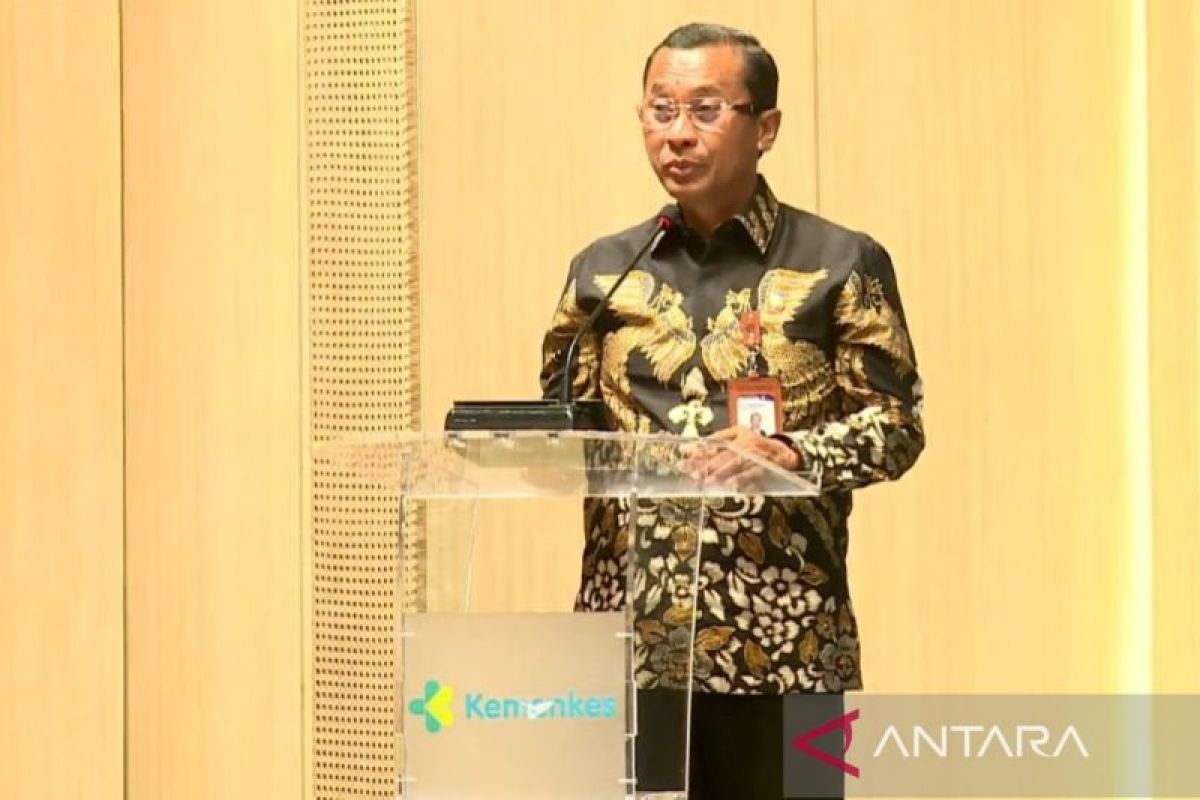
Jakarta (ANTARA) - BPJS Kesehatan has stated that the SATUSEHAT Electronic Medical Record (EMR) strengthens value-based financing. Consequently, the agency has responded positively to the launch of this ecosystem and supports its integration with Mobile JKN to ensure a more efficient claims process.
“This supports the delivery of high-quality healthcare services. As a result, patients undergoing treatment will not need to repeat examinations, allowing diagnoses to be determined immediately. Most importantly, the financing process claimed by hospitals to BPJS will become easier,” said the President Director of BPJS Kesehatan, Prihati Pujowaskito.
During the launch of SATUSEHAT EMR in Jakarta on Tuesday, he noted that current collaborations encompass 3,200 hospitals and 23,000 clinics.
According to him, the administrative claims process has frequently faced technical challenges, such as claim documents from healthcare facilities occasionally being sent in PDF format.
“We have tools to read those PDFs and input them into our financing platform. With the launch of this EMR, we have agreed to join forces with SATUSEHAT so that BPJS can directly read these electronic medical records as part of the claims process,” he said.
Regarding value-based financing, he mentioned that healthcare financing has historically tended to be volume-based due to the lack of a nationally aligned remuneration system.
SATUSEHAT EMR, he noted, can provide an overview of clinical pathways, where data shows the duration of patient hospitalisation, treatment outcomes, professional involvement, and costs.
These aspects can turn the ecosystem into a shared guide for healthcare services, helping to determine whether the treatment provided is appropriate and cost-efficient.
With well-organised electronic medical records, he added, all data can support more value-based services.
“We welcome the launch of this electronic medical record and strongly support its integration with BPJS’s Mobile JKN. Currently, Mobile JKN users have reached 64 million participants; therefore, if connected with SATUSEHAT, it will serve as a comprehensive supplement to the participants’ personal health data,” he concluded.