
BPJS Kesehatan Responds to 'Poor Service' Allegations
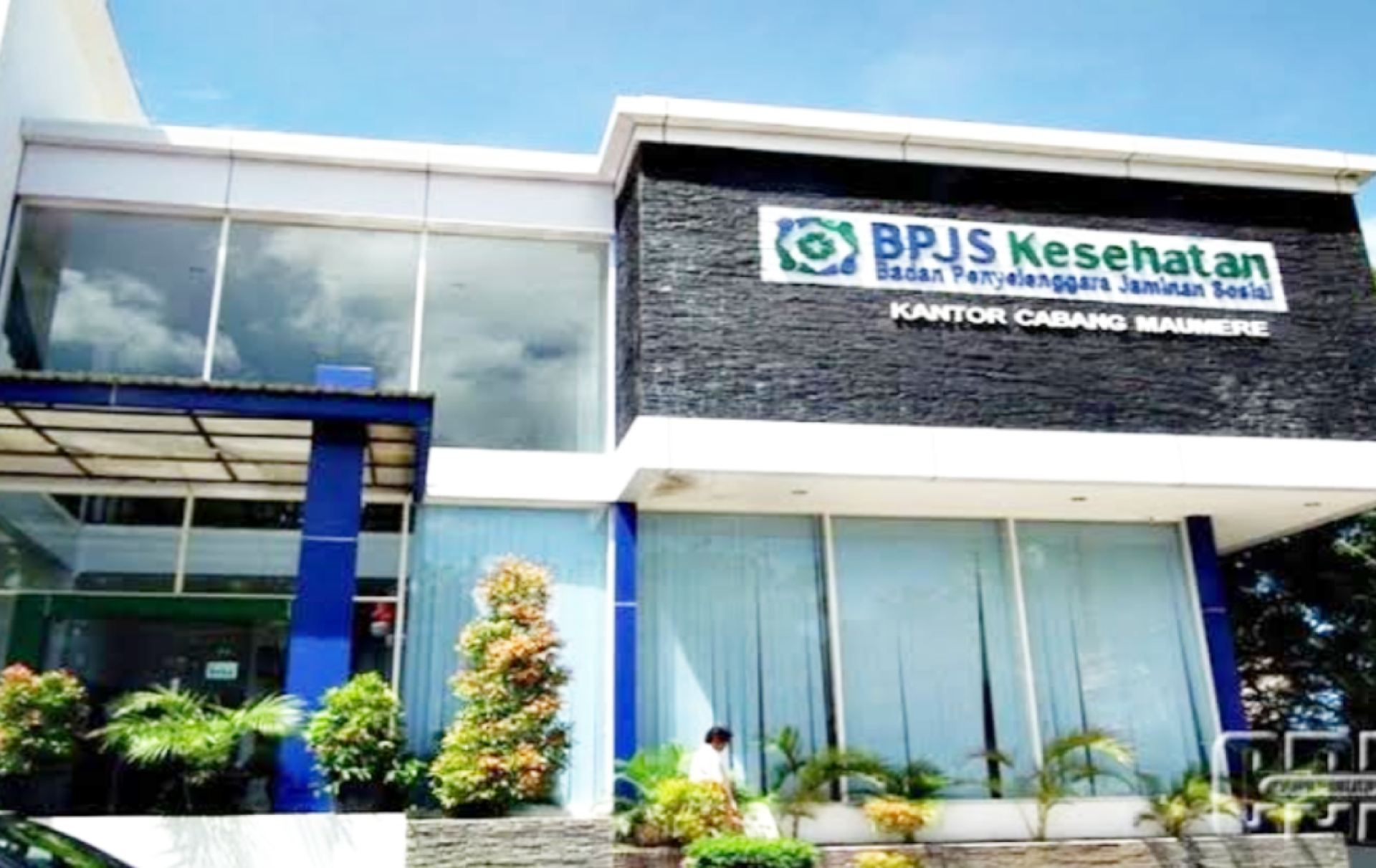
Not long ago, content circulated on social media claiming that BPJS Kesehatan’s service is poor, to the extent that even BPJS Kesehatan employees refuse to use it for medical treatment. Rizzky Anugerah, Head of Public Relations at BPJS Kesehatan, expressed regret over the content, which he said did not convey information in full and risked obscuring the facts on the ground.
In 2025, BPJS Kesehatan recorded more than 725.3 million utilizations of the National Health Insurance (JKN) programme. This means there are more than 1.99 million uses of the JKN programme in a single day.
In addition, between 2014 and 2025, BPJS Kesehatan has disbursed more than Rp1,279.8 trillion to pay for healthcare services. Rizzky said these funds come from the contributions of JKN participants collected together. Many people depend on JKN for medical treatment, particularly for illnesses that are costly or require lengthy, even lifelong, treatment.
“We continually carry out evaluations and improvements involving all relevant stakeholders. We are aware that we are still far from perfect, but we are committed to ensuring that JKN services are equivalent from Sabang to Merauke, amid differing challenges in facilities and infrastructure,” said Rizzky on Friday (17 July).
Rizzky said BPJS Kesehatan is committed to ensuring JKN participants are well served in accordance with their entitlements. To that end, it strives to provide convenience and speed of service for participants, including in complaint handling. There are various complaint channels available to the public.
These include the Care Center 165, the Mobile JKN application, administrative services via WhatsApp (PANDAWA) on 08118165165, QR codes at healthcare facilities, the BPJS Kesehatan website, and others. In 2025, 132,319 complaints were received, and 100% of them have been resolved.
On the other hand, Rizzky also affirmed that, like other workers in Indonesia, since 1 January 2014 until now, all BPJS Kesehatan employees have been registered as active JKN participants in accordance with applicable regulations.
“The issue of BPJS Kesehatan employees using private insurance is not new. It first circulated in 2016 and we have repeatedly clarified its veracity. All BPJS Kesehatan employees are registered as active JKN participants, with contributions of 4% paid by the employer (BPJS Kesehatan) and 1% deducted from employees’ salaries or wages,” said Rizzky.
Rizzky explained that, referring to Presidential Regulation Number 59 of 2024, Article 51 paragraph (1), JKN participants may upgrade to care above their entitlement, including additional executive outpatient care, by taking out supplementary health insurance or paying the difference between the costs covered by BPJS Kesehatan and the costs incurred from the upgraded service.
“We must also clarify that BPJS Kesehatan employees use JKN for medical treatment just like other participants. This can be verified in the field. What we want to convey is that being a JKN participant is mandatory for every Indonesian resident, but employers may also provide additional benefits for their workers in the form of supplementary health insurance. It must be remembered that in addition to paying supplementary health insurance premiums, JKN contributions remain mandatory. That is the main point,” stressed Rizzky.