
BPJS Kesehatan launches Pionir service to enhance patient experience
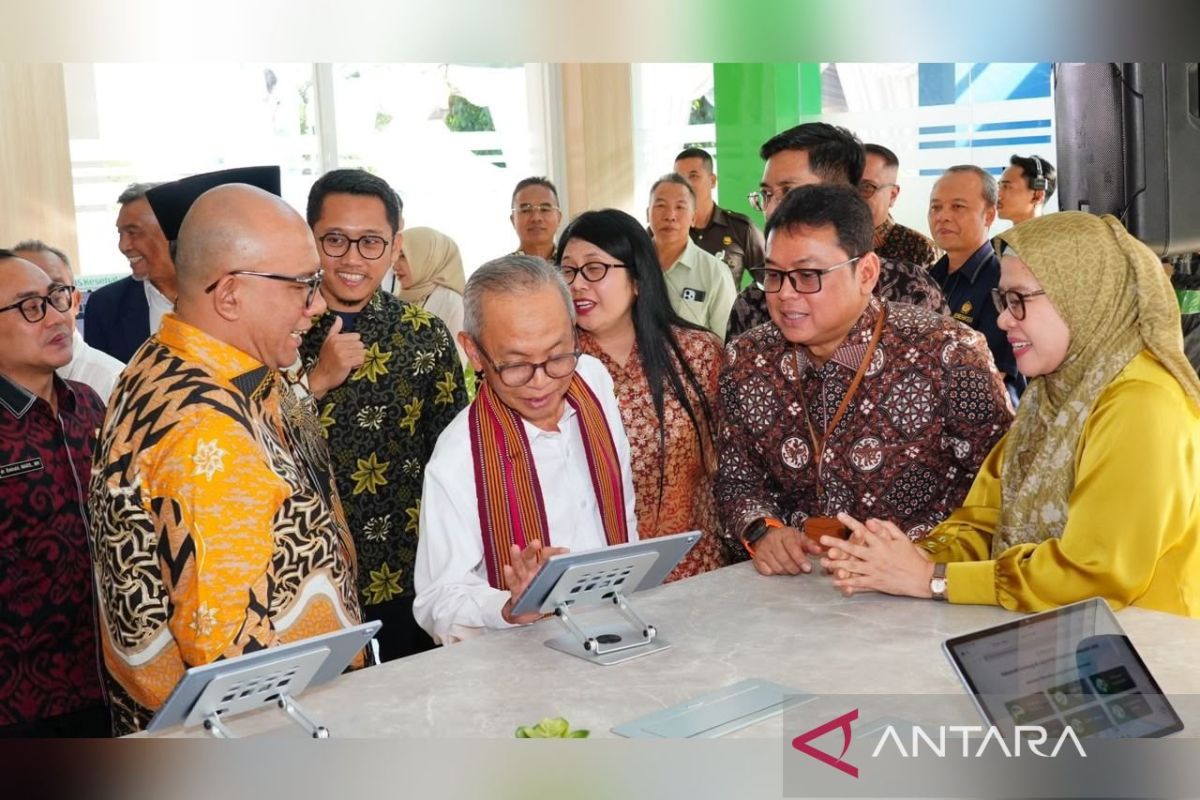
BPJS Kesehatan has officially launched its Pionir service at the Mataram Branch Office in West Nusa Tenggara, introducing a new concept designed to be more proactive, modern, humanistic, and flexible. The initiative aims to break the stigma of public services that are often perceived as rigid and bureaucratic.
"Pionir is here to break the stigma of public services that have seemed rigid and bureaucratic, transforming them into a more humanistic approach that answers participants’ needs. Through Pionir, we are also transforming service patterns from those that seemed reactive to ones that are more proactive," said BPJS Kesehatan Membership Director Akmal Budi Yulianto in a statement on Wednesday.
Akmal explained that the Pionir service philosophy—which stands for Proactive, Innovative, Observant, Comfortable, Integrative, and Responsive—encourages staff to be more proactive in recognising participants’ needs and providing appropriate solutions. While supported by technology, the service emphasises the sensitivity of officers in offering assistance and ensuring participants receive the necessary information and services accurately.
Under the new concept, the previous paper-based queue system has been replaced with a digital, paperless integration. Participants can now wait comfortably while officers attend to them, eliminating the need to move between counters. The transformation has already reduced the average service waiting time from 25 minutes to approximately 7 minutes.
The development of the Pionir service system, flow, and infrastructure will be carried out in stages, with plans for a nationwide rollout across all BPJS Kesehatan branch offices.
West Nusa Tenggara Regional Secretary Abul Chair affirmed the provincial government’s full support for the innovation. "Anything that provides protection for the people of NTB must be supported. When participants come to a health facility, they are not just bringing administrative files, but also anxiety and hope. Therefore, how they are treated humanely is the most important thing," he said.