
BPJS Kesehatan Launches 'Lanuri' Programme Simultaneously at 558 Locations Across Indonesia
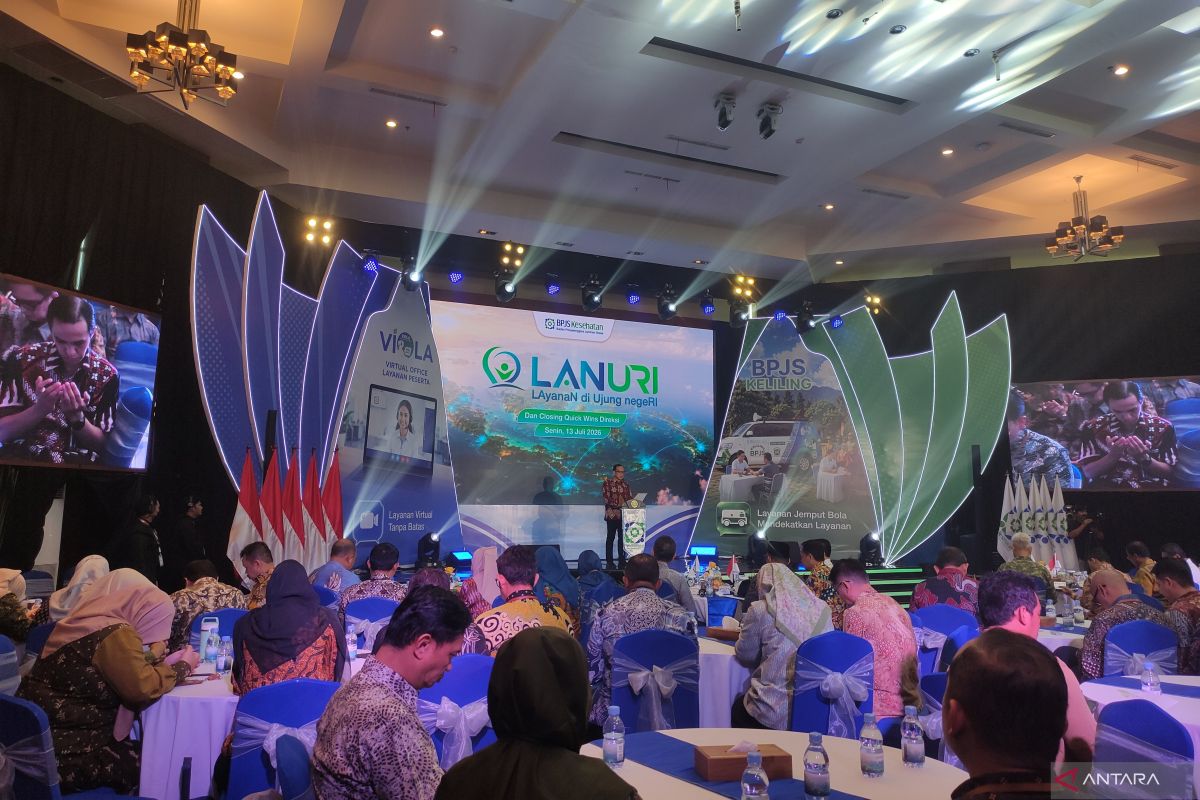
Jakarta (ANTARA) - BPJS Kesehatan has launched its Frontier Area Service (Lanuri) programme simultaneously at 558 district and city locations to facilitate access to the National Health Insurance (JKN) programme, particularly for those living in remote, frontier and outermost (3T) regions.
President Director of BPJS Kesehatan, Prihati Pujowaskito, in Jakarta on Monday, affirmed that the launch of Lanuri represents an effort to optimise non-digital services to reach communities facing geographical and technological infrastructure constraints.
Pujowaskito explained that of the 558 implementation points, 179 provide outreach services in the form of Mobile BPJS (BPJS Keliling), whilst the remaining 379 feature the Virtual Office for Information and Administrative Services (Viola).
Through Lanuri, people in remote and border areas can now more easily access information, manage membership administration, and submit complaints regarding the JKN programme.
“Lanuri can ease access to JKN services for people living in remote areas or areas with limited access due to geographical conditions,” he said.
The launch of the programme also marked the conclusion of BPJS Kesehatan’s 100 Days of Work agenda for its board of directors, which reportedly achieved a cumulative performance figure of 91.53 per cent.
The quick wins agenda comprised four Customer Centric Programmes to accommodate the fundamental needs of participants, as well as four Collaborative Programmes to expand the reach of integrated cross-sector services.
Among the key programmes successfully achieved were JKN 3T through hospital-assisted vessel cooperation, the integration of P-Care for the Free Nutritious Meals (MBG) programme, and an intelligence claims system to eliminate inefficiencies and potential fraud.
BPJS Kesehatan, he continued, is committed to continually providing fair and equitable services so that all Indonesian residents, including the subsidised premium (PBI) participant segment, receive equal health insurance entitlements.