
BPJS Kesehatan Ensures Tens of Millions of Indonesian Children Protected by JKN
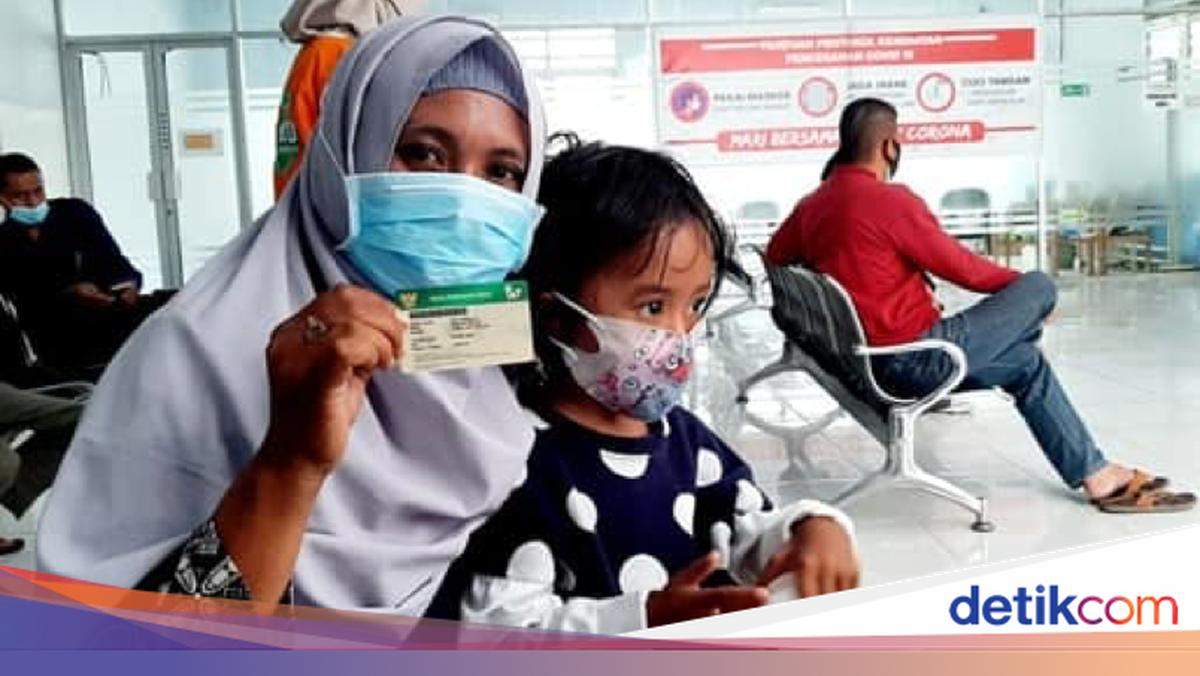
Childhood is a crucial period in determining a person’s future health quality.
At this stage, children require balanced nutrition, a healthy environment, and easy access to healthcare services so that any health problems can be addressed as early as possible.
Through the National Health Insurance Programme (JKN), BPJS Kesehatan provides health protection for children so they can grow and develop optimally.
As of June 2026, more than 71 million children aged 0-17 have been registered as JKN participants.
This coverage forms an important foundation in ensuring Indonesian children gain access to healthcare from an early age, from services at First-Level Health Facilities (FKTP) to Advanced Referral Health Facilities (FKRTL) in accordance with medical indications.
BPJS Kesehatan Head of Public Relations Rizzky Anugerah explained that throughout 2025, BPJS Kesehatan financed healthcare services for participants aged 0-17 totalling Rp 25.32 trillion.
Of that total, Rp 588.93 billion was used for services at FKTPs, while Rp 24.73 trillion was utilised for services at FKRTLs.
“Of that considerable cost, children’s health problems remain dominated by various infectious diseases. At FKTPs, for example, the most common services were for flu cases with more than 7.38 million visits, followed by acute respiratory infections (ARI) with 7.38 million visits,” Rizzky said in a written statement on Wednesday (24/7/2026).
“In addition, fever, teething problems, diarrhoea, sore throat, cough and digestive disorders were also among the main reasons children used health services at FKTPs,” he continued.
For hospital services, the most common treatments were for typhoid fever, gastroenteritis or diarrhoea, dengue fever, bronchopneumonia, dyspepsia and pneumonia.
These varied conditions show that children remain vulnerable to a range of illnesses, from mild infections to diseases requiring further hospital treatment.
Towards Golden Indonesia 2045, Rizzky said children’s health is a vital foundation for creating a healthy, intelligent and productive Indonesian generation.
According to Rizzky, easy access to healthcare is one of the key factors ensuring every child receives timely medical treatment.
“Children are at a growth phase that greatly determines their future health quality. Through the JKN programme, children have access to healthcare from FKTPs to hospitals according to medical indications,” Rizzky said.
“This protection gives parents peace of mind because children can receive the healthcare they need without being hindered by cost,” he added.
Rizzky said the high number of illness cases among children serves as a reminder that safeguarding children’s health must begin in the family environment.
Moreover, parents play an important role in building healthy living habits so children can avoid the various disease risks that could disrupt their growth and development.
According to Rizzky, efforts to achieve healthy Indonesian children also require collaboration across various government programmes.
The Free Nutritious Meals (MBG) programme, for instance, is one effort to meet children’s nutritional needs as the primary foundation for growth and development.
In addition, the Free Health Check (CKG) programme is an important step towards detecting risk factors and health problems from an early stage.
Through the synergy of these programmes, the health quality of Indonesian children is expected to continue improving as a provision towards Golden Indonesia 2045.
Meanwhile, to optimise government efforts to improve early detection, BPJS Kesehatan is also enhancing promotive and preventive services through its Health History Screening service, which aims to detect disease risk factors earlier.
“Throughout 2025, the Health History Screening service has been used 66.19 million times by JKN participants. Through this screening, participants can identify disease risk factors earlier so that prevention and treatment measures can be taken more quickly and precisely,” Rizzky stressed.
Therefore, Rizzky urged the public to ensure all family members, including children, are registered as JKN participants with active membership status.
With active membership, participants can access healthcare services according to medical needs whenever required.
“Optimal health protection is built not only through a healthy lifestyle, but also by ensuring all family members have health insurance. That is why we call on the public to keep their JKN membership active so the programme’s benefits can be fully utilised when needed,” he concluded.
Source: jawawa.id (https://jawawa.id/newsitem/bpjs-kesehatan-ensures-tens-of-millions-of-indonesian-children-protected-by-jkn-1784879646)
Originally published by detikcom (https://news.detik.com/berita/d-8588402/bpjs-kesehatan-pastikan-jutaan-anak-indonesia-dilindungi-jkn), translated from Indonesian