
BPJS Kesehatan Detects Potential Diseases Early Through Health Screenings
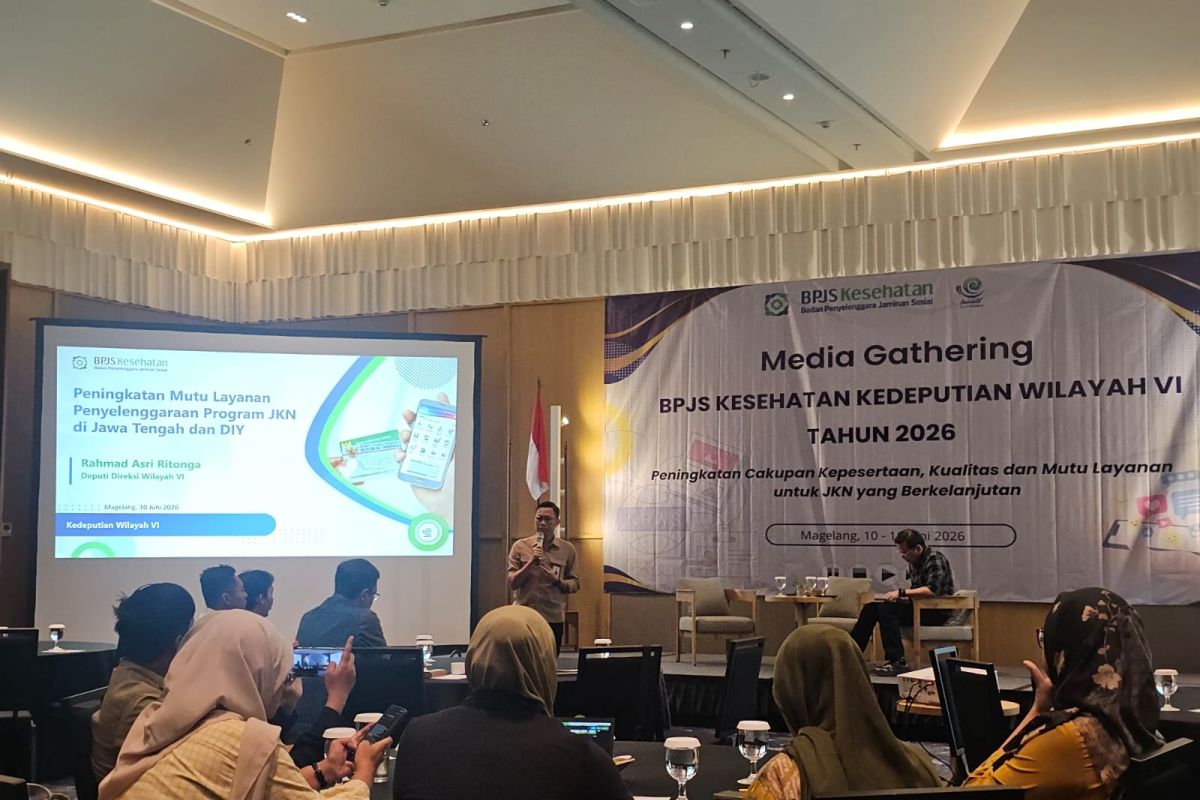
Yogyakarta (ANTARA) - BPJS Kesehatan is conducting early detection of potential chronic diseases through health screenings, with the number of participants recorded at 10.4 million as of 16 May 2026, surpassing this year’s target of 6.6 million people.
Deputy Regional Director for Region VI of BPJS Kesehatan, Rahmad Asri Ritonga, stated in Magelang on Wednesday that this acceleration measure aims not only for early detection of potential chronic illnesses but also to curb the escalating costs of healthcare services under the National Health Insurance (JKN) programme.
Of the total screenings achieved, 4,967,525 participants, or 49.46 per cent, were detected as having health risks. “So, the screening results show that some have health risks and some do not,” he said.
Although the screening achievement exceeded the target, he noted that follow-up visits by participants to health facilities remain low, with only 2,284,456 at-risk participants, or 45.99 per cent, having sought examination at primary health facilities (FKTP), compared to the ideal national target of 75 per cent.
Beyond physical illness, Rahmad highlighted a rising trend in mental health disorders among the productive youth demographic, with approximately 40 per cent of participants indicating psychological distress. He emphasised that all mental health treatment is fully covered by the JKN programme, ranging from psychologist services at FKTPs to referrals to psychiatric specialists at hospitals.
BPJS Kesehatan provides an exclusion whereby all types of medical services resulting from attempted suicide are not included in the list of compensations guaranteed by JKN nationally and regionally.
Rahmad added that BPJS Kesehatan recorded that nearly 60 million Indonesian residents have undergone health history screenings in 2025, and the public is urged to update their health data once a year.