
BPJS Kesehatan Clarifies Rumours that Indonesian Babies Automatically Become JKN Participants
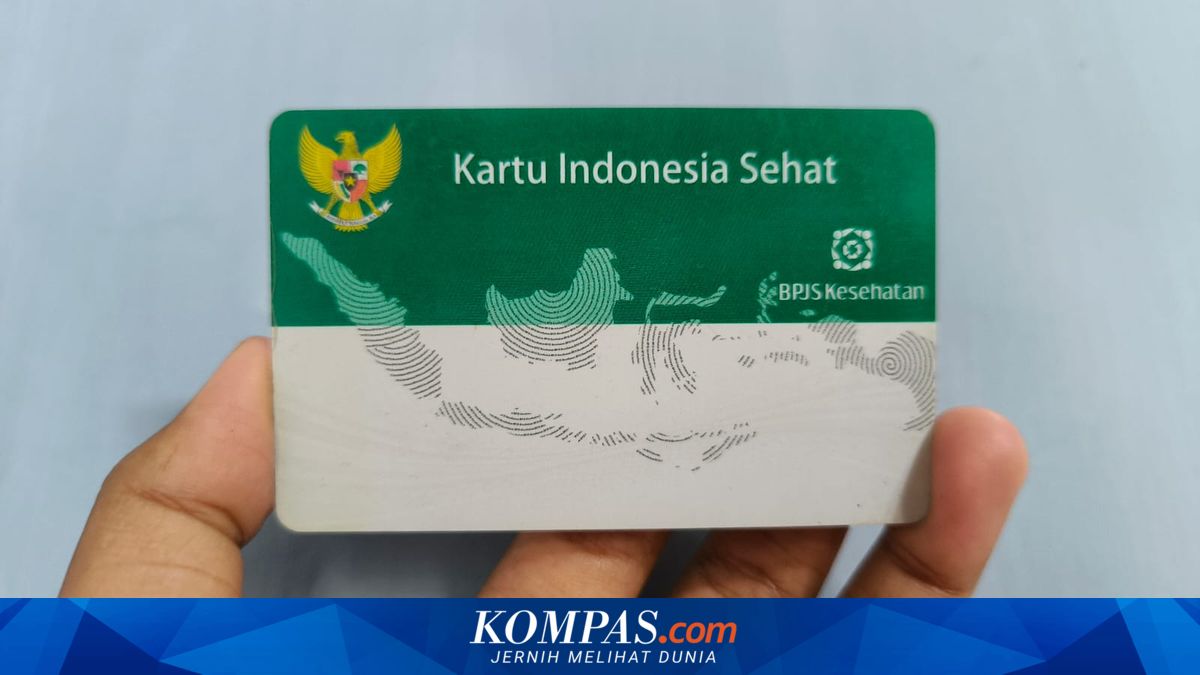
JAKARTA - BPJS Kesehatan has stated that only newborns from mothers who are PBI (Premium Assistance Recipients) participants are automatically entitled to become PBI participants and receive free healthcare services.
This was conveyed by BPJS Kesehatan Membership Director Akmal Budi Yulianto to clarify rumours claiming that every newborn Indonesian citizen (WNI) would automatically be registered as a Jaminan Kesehatan Nasional (JKN) participant.
“What we can confirm regarding the financing is that those whose parents are in the PBI JKN participant segment are definitely covered. Their children are automatically included without needing registration,” said Akmal when contacted in Jakarta on Monday (7/4/2026).
“According to the Minister of State Apparatus [Empowerment], the direction is towards that (newborns directly registered in JKN). So, the intention is actually good,” Akmal added.
According to Akmal, there are no issues with strengthening BPJS Kesehatan services.
The plan for newborns to be directly registered would unify the data system.
However, for now, only babies born to PBI participant parents are automatically registered in JKN.
“So, if asked about the financing scheme, what we can say for the time being is that for parents who are PBI, their children are automatically included as part of JKN services,” said Rini.
The main problems in implementing services at MPP include the discipline of tenant service employees, incomplete service operations at locations with low visits, and instances where agencies have signed cooperation agreements but have not yet optimally realised the services.
Meanwhile, regarding the integration of birth services and BPJS Kesehatan membership in INAku, the current process between health facilities from the Ministry of Health, Dukcapil from the Ministry of Home Affairs, and BPJS remains fragmented.
The key to achieving this integration, according to him, is the validated Population Identification Number (NIK) as a single key, and real-time data exchange between systems.
With that, the process can be simplified from eleven stages to four main stages, allowing newborns to be directly active as JKN participants.