
BPJS Kesehatan CEO Audiences with KPK to Discuss Fraud Prevention
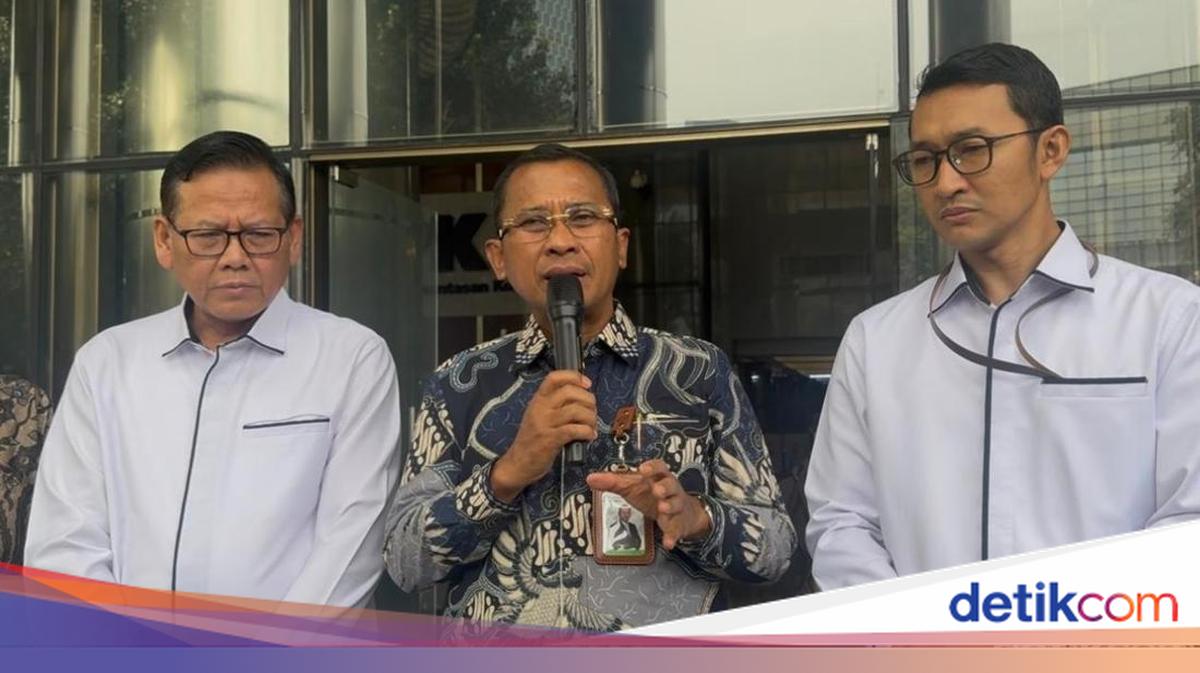
BPJS Kesehatan held an audience with the Corruption Eradication Commission (KPK) as a concrete step in efforts to prevent fraud. The meeting was led directly by BPJS Kesehatan CEO Mayjen TNI (Purn) dr Prihati Pujowaskito. As a newly appointed official, Prihati explained that he deliberately visited the KPK to establish a relationship and discuss strengthening the fraud prevention system within BPJS. ‘There are many things we will do related to education, socialisation, prevention, and enforcement of fraud in the health service financing ecosystem by BPJS,’ Prihati said at the KPK’s Merah Putih Building in Kuningan, South Jakarta, on Wednesday (8/7/2026). He explained that BPJS Kesehatan bears a significant responsibility in managing participant contributions, which amount to Rp 190 trillion annually. Therefore, transparent and accountable governance is required. ‘This requires high governance and integrity. BPJS is responsible for utilising every single rupiah from this fund collection as much as possible for the health service financing needs of all JKN participants,’ Prihati explained. ‘To date, the number of participants has reached 286 million, or nearly 98 percent of Indonesia’s total population. This is something that must be carried out with a full sense of responsibility,’ he added. Prihati conveyed that BPJS Kesehatan has long had a cooperation agreement and signed a Memorandum of Understanding (MoU) with the KPK. This cooperation was sharpened through today’s audience, which resulted in an agreement on several strategic programmes to prevent corruption. Some of the agreed programmes include the preparation of a corruption risk assessment, the formation of Anti-Corruption Extension Officers (Paksi), the drafting of a Corruption Prevention Guide (Pancek), and the strengthening of the Whistleblowing System (WBS). This synergy is expected to improve service quality and close gaps for fraud. ‘These are some of the things that will be implemented so that this can enhance BPJS Kesehatan’s integrity to account for every single rupiah for the benefit of health financing,’ Prihati said. On the other hand, Prihati reminded that fraud can be committed by anyone in the health ecosystem, whether by participants, health facilities, doctors, or even BPJS internal parties. This potential risk is what is being minimised through assistance from the KPK. He mentioned that the estimated findings of fraud in BPJS Kesehatan currently hover around Rp 6 trillion. This figure is continuously being reduced through various periodic mitigation measures. ‘Everyone is trying to reduce it, working according to regulations so that fraud decreases. The figure is no longer that high, it has dropped. It might be around Rp 6 trillion, not as large as before,’ he said. ‘But once again, all parties involved in health service financing in this BPJS insurance system will share the same commitment to reduce or prevent fraud. We are audited in layers by internal audit, by the BPK, by the KPK. If there is an indication of fraud, everyone must return that money,’ he stressed. Meanwhile, KPK Deputy for Information and Data (INDA), Eko Marjono, explained that the meeting resulted in new prevention steps that were not previously included in the memorandum of understanding. ‘In the forum, new matters that were not previously in the MoU clauses between the KPK and BPJS Kesehatan were also discussed. As mentioned earlier, these relate to the Corruption Risk Analysis, then also Paksi, the Whistleblowing System, and so on,’ Eko stated. Eko emphasised that preventing the misappropriation of funds within BPJS Kesehatan is one of the KPK’s main focuses, because health insurance is a crucial sector concerning the welfare of the wider community. ‘This is why it is a concern for the KPK, because we all know that BPJS Kesehatan manages the National Health Insurance, which concerns the livelihood of many people. Therefore, it needs to be supervised so that services can be more optimal and certainly for the benefit of all Indonesian people,’ he concluded.